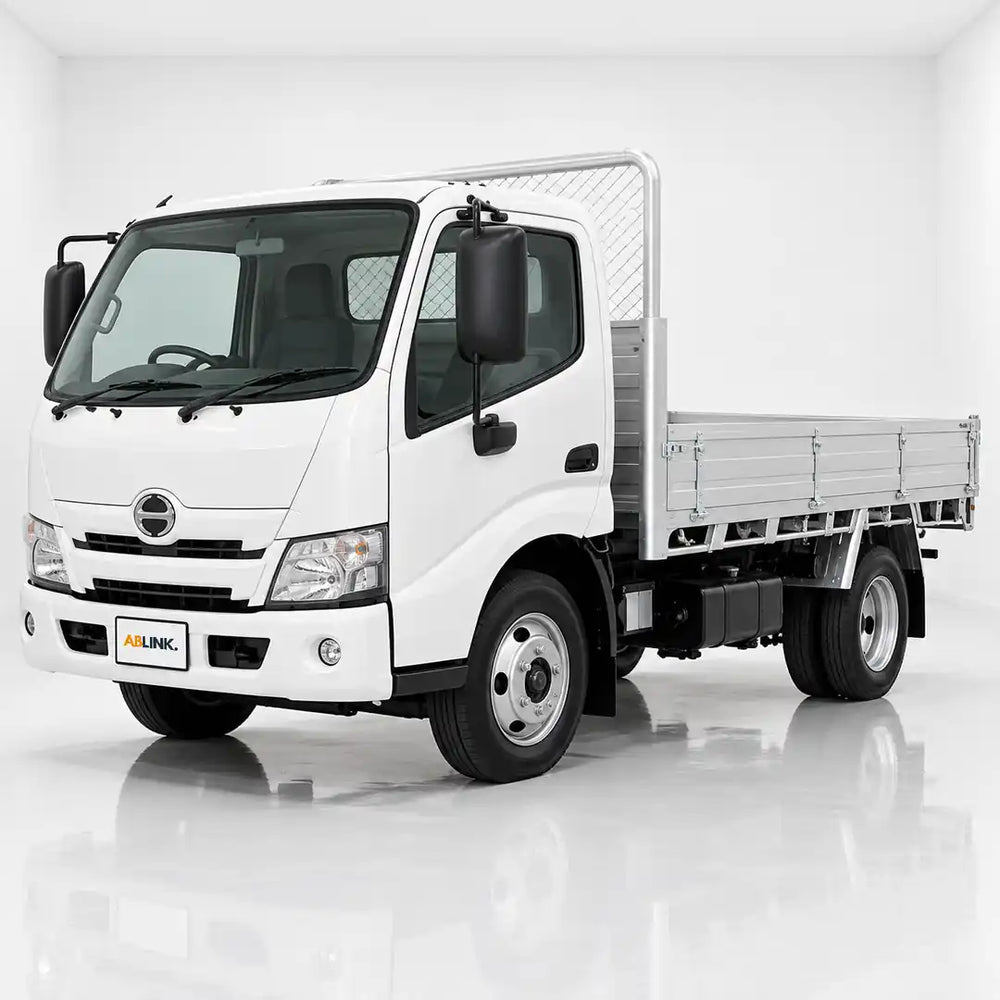
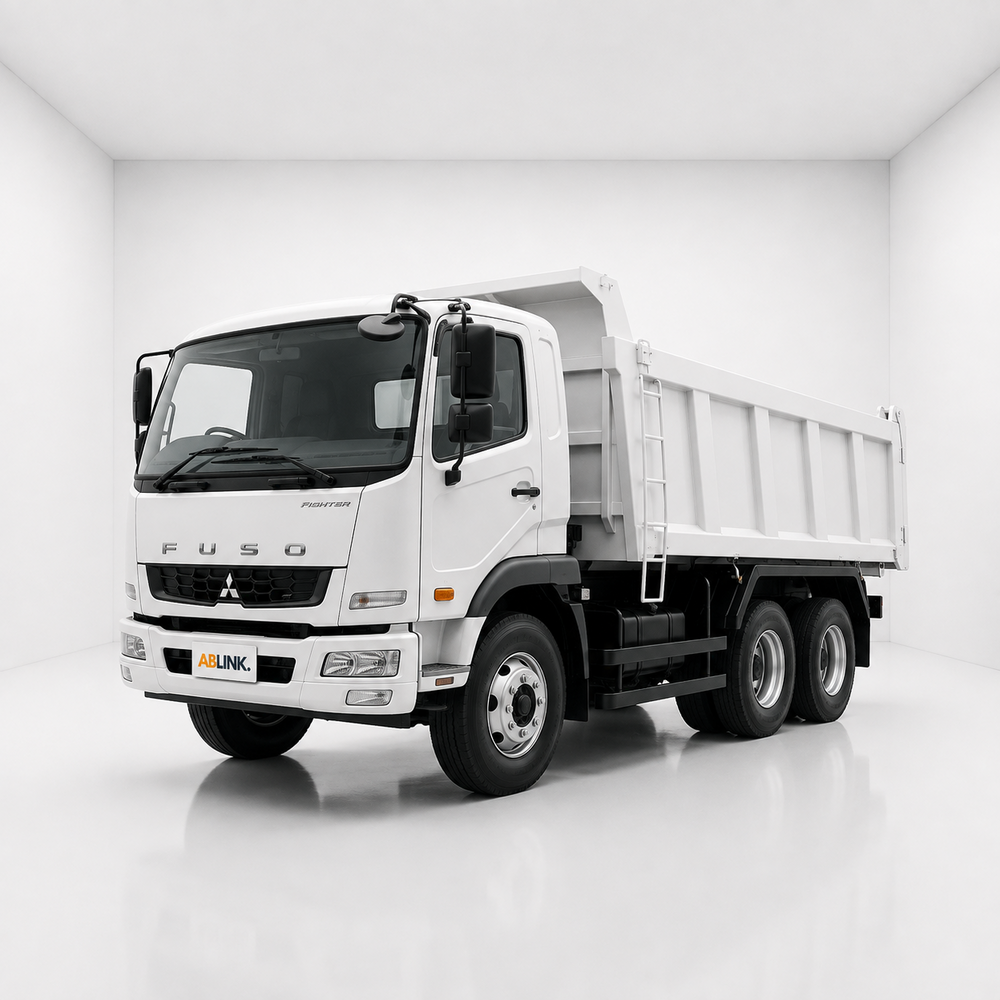
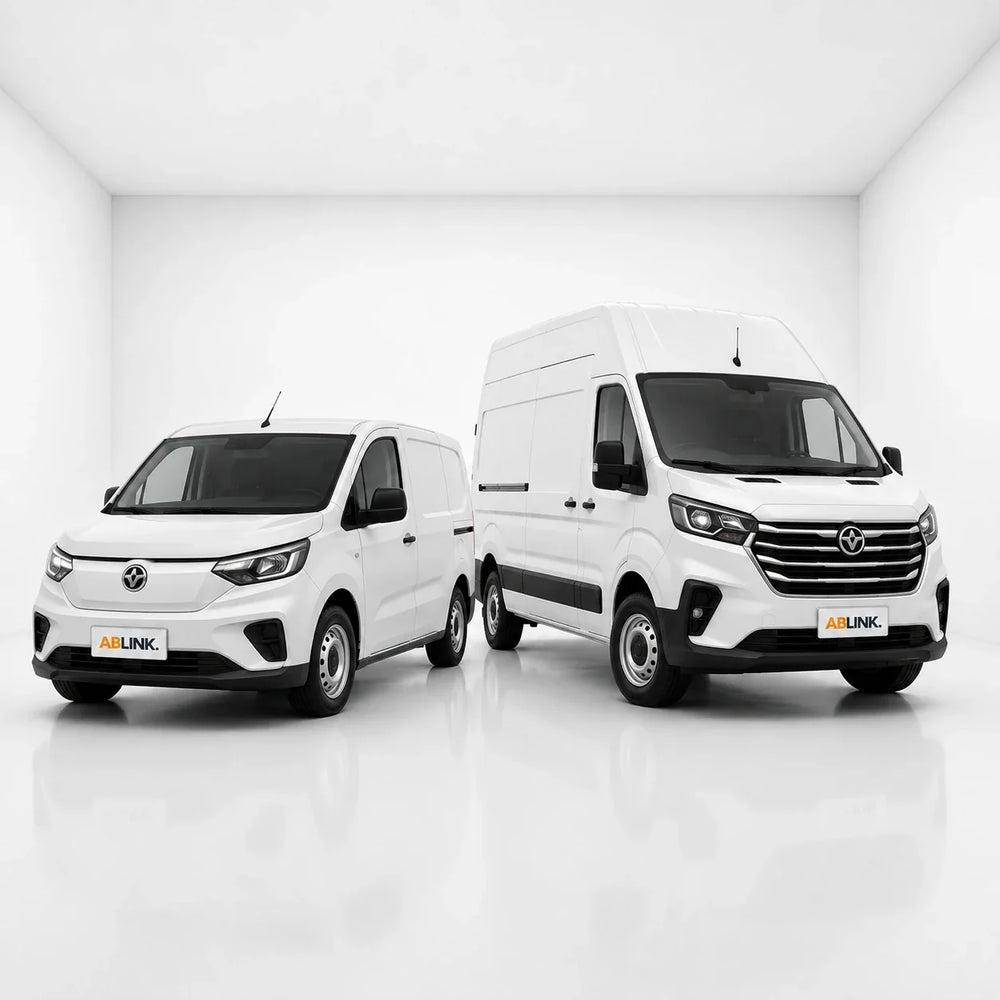
A 10ft lorry is the most common first commercial vehicle in Singapore, and the "10ft" in the name causes more confusion than any other number attached to it. It does not describe the vehicle. It describes the cargo deck.
This guide covers what the measurement actually refers to, how to work out what will fit, which licence class the vehicle needs and why that answer has nothing to do with gross weight, and the regulations that attach to a lorry of this size in Singapore.
Key points
- "10ft" is the approximate cargo deck length, not the overall vehicle length. The vehicle is considerably longer once the cab is included.
- Licence class is set by unladen weight. It is never set by gross vehicle weight, and never by deck length.
- Class 3A is not a heavier class than Class 3. It is the same entitlement restricted to vehicles without clutch pedals.
- A vehicle built to carry a load needs Class 4 once its unladen weight exceeds 2,500 kg.
- Deck dimensions, unladen weight and maximum laden weight vary by body builder. The registration document is the only authority.
What does "10ft" actually mean on a Singapore lorry?
The figure refers to the length of the flat loading deck at the rear, roughly 3.05 metres. It is a trade convention rather than a legal classification — you will not find "10ft lorry" in any LTA category, because LTA registers goods vehicles by weight, not by deck size. Every dealer, transporter and body builder on the island nonetheless uses the term the same way.
The distinction matters the moment access is involved. A lorry with a 3.05 metre deck is well over five metres bumper to bumper once the cab is counted. Buyers who size a delivery route on the deck figure and then meet a turning circle, a ramp or a boom gate built for the real vehicle length discover the gap expensively.
The same convention runs up the range: 14ft, 17ft to 19ft, and 24ft all describe deck length. Our Singapore lorry size guide maps the full range and the spelling variants — "10 ft", "10 feet", "10 foot" and "10 footer" all mean the same class.
10ft lorry dimensions: what to measure and why
A standard 10ft deck in Singapore runs approximately 3.05 metres long. Width is where the variation lives, because the deck is built by a coachworks rather than by the chassis manufacturer, and two vehicles both sold as "10ft" can differ in usable width and internal height.
Three numbers decide whether your cargo fits, and only one of them is the advertised one:
- Deck length — the 10ft figure, approximately 3.05 m
- Usable deck width — varies by body builder; measure it
- Internal height — irrelevant on an open flatbed, decisive under a canopy or van body
Ask the body builder or the dealer for the interior dimensions of the specific unit rather than the class average. If your load is palletised, check the width against the pallet footprint you actually use, and confirm the current overhang rules with LTA before planning anything that extends past the deck edge.
Payload: the number that is not on the brochure
Payload is not published as a headline figure because it is a subtraction, and both inputs move.
Maximum laden weight minus the vehicle's unladen weight. That is your payload, and it shrinks as the body gets heavier.
An open flatbed keeps the most payload, because there is almost no body to carry. A canopy costs a little. An aluminium van body costs more. A refrigerated body costs the most, because the insulation panels and the chiller unit are permanent dead weight the vehicle carries on every trip, loaded or empty.
This is why two 10ft lorries on the same chassis can differ by several hundred kilograms of usable capacity. It is also why the payload figure quoted in a general guide — including this one — cannot be relied on for a purchase decision. Read the maximum laden weight and the unladen weight from the registration document of the actual unit, and subtract.
Operating above the rated maximum laden weight is an offence and will invalidate the vehicle's insurance. That second consequence is the one that turns a routine incident into a business-ending one.
Which licence do you need for a 10ft lorry?
This is where most published guidance on Singapore lorries goes wrong, including guidance that has circulated for years. The error is always the same: quoting gross vehicle weight where the law states unladen weight.
What the classes actually say
The Singapore Police Force defines the classes as follows:
- Class 3 — "motor cars of unladen weight not exceeding 3,000kg with not more than 7 passengers, excluding the driver"
- Class 3A — the identical definition, for "motor cars without clutch pedals"
- Class 4 — "motor vehicles which are constructed to carry a load or passengers and the weight of which unladen exceeds 2,500kg"
Read the Class 4 wording carefully, because it is the one that governs a lorry. The test has two limbs: the vehicle is built to carry a load, and its unladen weight is above 2,500 kg. Both must be true. There is no upper ceiling in that definition at all, which is why a 25-tonne tipper is still Class 4.
The correction worth making twice
Class 3A is not a step up from Class 3. It covers exactly the same vehicles. The only difference is the clutch pedal — 3A holders are restricted to automatics. Nobody moves from a 10ft lorry to a 14ft lorry by upgrading to 3A. Crossing a size class means Class 4, and Class 4 is a separate course and a separate test.
An exemption raised the unladen ceiling to 3,000 kg for electric light goods vehicles, which is why some electric models sit on a Class 3 licence where their diesel equivalent would not. That is a live and moving area — see our guide to the 3,000 kg Class 3 electric ceiling for the current position and which models qualify.
The full class-by-class breakdown, including where Class 4 and Class 5 diverge, is in our Class 3 versus Class 4 licence guide.
Why the licence answer should come before the vehicle answer
Class 3 and 3A holders vastly outnumber Class 4 holders in Singapore. A vehicle that crosses the 2,500 kg unladen line shrinks your hiring pool immediately, and makes leave cover, shift rotation and last-minute absence harder to arrange.
The timing is what costs money. A vehicle can be ready in days; a licence upgrade takes weeks. A lorry sitting in the yard waiting for a qualified driver still accrues instalments, insurance and road tax while earning nothing.
The modification trap
Unladen weight is not fixed at registration. A tail-lift, a toolbox, a canopy or a chiller unit all add permanent weight, and a vehicle that left the factory just under 2,500 kg can sit above it once fitted out.
The owner usually discovers this while rostering drivers, which is the worst possible moment. Re-read the log card after any significant modification, and treat the manufacturer's brochure figure as a starting point rather than an answer.
Body types, and what each one costs you in capacity
Four bodies dominate the 10ft class in Singapore, and the choice is harder to reverse than the choice of chassis — retrofitting a different body later is slow and expensive.
- Open flatbed — maximum payload and maximum flexibility for irregular or oversized loads. Scaffolding, construction materials, fabricated metalwork, equipment moves.
- Canopy — weather protection without full enclosure. Furniture, retail logistics, anything that must stay dry but does not need securing.
- Aluminium van body — fully enclosed and lockable. Courier work, distribution, anything where security matters as much as shelter.
- Refrigerated — insulated panels plus a chiller or freezer unit. Fresh produce, dairy, pharmaceutical cold chain. The heaviest body and the largest payload penalty.
Bodies are priced separately from the chassis by the coachworks, and the specification you choose changes both the payload and the overall height. Both matter later, so decide them together rather than in sequence.
Which 10ft models will you meet in Singapore?
The names that come up most often in this class are the Toyota Dyna, the Hino Dutro, the Nissan Cabstar and the Mitsubishi Canter. Each is offered in more than one configuration, and the configuration — not the badge — determines the unladen weight, and therefore the licence class.
Because those configurations change with model year and body build, this guide does not publish a spec table. A figure that is right for one variant is wrong for the next, and a wrong unladen weight leads directly to a driver who is not licensed for the vehicle. Read the specification and the registration details for the individual unit.
Current availability and pricing sit on our new commercial vehicle listings, which are quoted inclusive of COE and GST so they can be compared like for like. If you are working through the purchase decision itself rather than the specification, start with our 10ft lorry buying guide for small businesses.
Regulations attached to a 10ft lorry
COE Category C
Every goods vehicle in Singapore bids in Category C, whatever its deck length. A 10ft lorry competes in the same pool as a 24ft, which has one useful consequence: moving up a size class does not move you into a different COE category, so the COE component of a budget does not scale with deck length.
The body price and the COE premium are separate numbers and are re-set at every bidding exercise. Budget them separately, and treat any all-in figure quoted weeks ago as out of date.
Speed limiters
Speed limiters are already mandated for goods vehicles with a maximum laden weight above 12,000 kg. The Traffic Police have stated that the requirement will be extended to lorries above 3,500 kg maximum laden weight, phased, with details to follow after engagement with the industry.
Specific deadline dates for that extension circulate widely and are not consistently sourced. Confirm the current position against LTA before budgeting a retrofit, and treat a date quoted verbally as unconfirmed. Our speed limiter and CVES compliance guide tracks this separately.
Vehicle Parking Certificate
A Vehicle Parking Certificate is required for vehicles with a maximum laden weight above 5,000 kg. Most 10ft lorries sit below that line, which is one of the quieter advantages of the class — but it depends on the individual unit, and a heavy body specification can change the answer. Check the maximum laden weight before assuming you are exempt.
Will a 10ft lorry fit into an HDB carpark?
Usually not, and the blocker is height rather than length.
Covered HDB multi-storey carparks are commonly limited to around 2.0 to 2.1 metres. A 10ft lorry carrying a canopy or a van body normally exceeds that comfortably. An open flatbed stands a better chance, but that depends entirely on the specific build, and a height barrier is not a forgiving thing to test.
Surface carparks generally accept lorries, though some older developments carry weight limits on the deck. The practical answer used by most operators delivering into housing estates is a ground-level drop point and a trolley for the last stretch. Measure the clearance at the three to five places you visit every week before you buy, not after.
10ft or 14ft: which should you buy?
A 14ft deck is roughly 4.27 metres against 3.05, so about forty per cent more floor. It usually carries a higher unladen weight too, which frequently pushes it across the Class 4 line.
Size the vehicle to the trip you make most often, not to the heaviest trip you made last year. If your regular work fits a 10ft deck and your drops are in housing estates, shophouse districts or sites with tight access, the 10ft is the better vehicle and the cheaper one to staff. If a 10ft is forcing a second trip more than occasionally, the 14ft earns its premium.
Buying one class too large is not a safe hedge. You pay for capacity you never use in body price, in fuel, and — once you cross the unladen threshold — in a scarcer driver. Our 10ft versus 14ft comparison works through the trade-off in detail.
If the vehicle is needed for a defined project rather than permanently, monthly rental avoids the COE, the parking question and the capital outlay in a single decision.
Questions buyers ask us
What fits in a 10ft lorry?
A deck of roughly 3.05 metres by whatever width the body builder specified. In practice that covers most SME delivery and light-construction work — furniture for a small flat, a commercial kitchen fit-out, materials for a minor renovation, or a few hundred cartons of stock. The binding limit is usually payload rather than floor space, and payload is the maximum laden weight minus the unladen weight of that specific unit.
What licence do I need to drive a 10ft lorry in Singapore?
It depends on the vehicle's unladen weight, not its deck length and not its gross weight. A vehicle constructed to carry a load needs Class 4 once its unladen weight exceeds 2,500 kg. Below that, a Class 3 licence covers it. Read the unladen weight on the registration document for the unit you are buying.
Is Class 3A enough for a 10ft lorry?
Class 3A covers exactly the same vehicles as Class 3 — the difference is that 3A holders are restricted to vehicles without clutch pedals. So if the lorry is within Class 3 limits and it is an automatic, yes. If the vehicle is above the Class 4 threshold, 3A does not help; that requires Class 4.
Does a 10ft lorry need a speed limiter?
Speed limiters are mandated for goods vehicles above 12,000 kg maximum laden weight, and the Traffic Police have said the requirement will extend to lorries above 3,500 kg in phases. Whether a specific 10ft lorry is caught depends on its maximum laden weight and on where that phase-in currently stands. Confirm with LTA rather than relying on a quoted date.
Can a 10ft lorry enter an HDB carpark?
Covered HDB carparks are commonly limited to around 2.0 to 2.1 metres, which most canopy and van bodies exceed. Open flatbeds sometimes clear it. Surface carparks are generally fine. Measure the clearance at the locations you actually deliver to.
Does a 10ft lorry need a Vehicle Parking Certificate?
Only if its maximum laden weight exceeds 5,000 kg. Most 10ft lorries fall below that, but a heavy body specification can change the answer for an individual unit.
How much does a 10ft lorry cost?
The body price and the COE premium are separate, and the premium moves at every bidding exercise, so a figure published in a guide is out of date almost immediately. Current prices are on the new commercial vehicle listings, quoted inclusive of COE and GST.
Two numbers, then shortlist
Almost every question on this page resolves to two figures on the registration document: the unladen weight, which sets the licence class, and the maximum laden weight, which sets the parking certificate and your payload. Fix those, measure the height where you park and deliver, and the vehicle usually picks itself.
Tell us the load you carry most often, the sites you deliver into, and the licence classes your drivers already hold, and we will tell you which configurations fit — including which ones would put you into Class 4. Visit the Tagore showroom or message us on WhatsApp.
Address: 421 Tagore Industrial Avenue, #02-13, Tagore 8, Singapore 787805
Phone / WhatsApp: +65 8946 8228
Email: sales@ablink.sg
Sources: Driving licence class definitions quoted from the Singapore Police Force. Speed limiter scope from the LTA, MOM and SPF joint factsheet. COE, Vehicle Parking Certificate and goods vehicle classification from the Land Transport Authority.
Disclaimer: Compiled against the sources above on 1 September 2026 and subject to change. This guide does not state vehicle prices — body price and COE premium are budgeted separately and the premium changes at every bidding exercise; see the live listings. Deck dimensions, unladen weight and maximum laden weight vary by unit, body builder and configuration, and must be confirmed on the vehicle's registration document; modifications change those figures after registration. Carpark height limits are typical ranges only. Confirm current requirements with LTA and the Traffic Police before making a purchase or rostering decision. General reference only, not legal or financial advice.