The Isuzu N-Series remains the default light truck for Singapore goods fleets. It pairs a proven diesel drivetrain with a tough cab and a body length for almost any trade. The range spans several variants, however, and the wrong one costs you in licence class or payload. This Isuzu N-Series Singapore guide compares the NJR, NNR, and NPR for a buyer near a decision. We map each variant to its load, the Class 3 versus Class 4 licence question, COE Category C, and running cost. Vehicle figures sit on the live listing; the licence, COE, and registration rules come from LTA and the Traffic Police. Always verify the exact unit before you commit.
Key Takeaway
-
What it is: Isuzu's light-truck range, sold in Singapore as the NJR, NNR, and NPR
-
Positioning: NJR is the lightest, the NNR sits mid-range, and the NPR carries the most
-
Licence: A Class 3 licence covers diesel goods vehicles up to 2,500 kg unladen weight; heavier variants need Class 4, per the Traffic Police
-
COE: Every variant registers under COE Category C, with a 10-year COE, per LTA — the Category C premium hit SGD $92,223 at the May 2026 bidding exercise
-
Decision driver: Match the variant to your heaviest regular load, not the biggest occasional one
🚚 Ready to compare payload and COE? Check the latest Isuzu NPR price, COE package and full Singapore specs on the ABLINK listing.
Isuzu N-Series at a Glance
The Isuzu N-Series is Isuzu's light-truck family, sold in Singapore as the NJR, NNR, and NPR. Each variant targets a different payload band, from car-licence-friendly light work to a high-capacity workhorse. All three register as goods vehicles under COE Category C. The right one depends on your load, your drivers' licences, and your body length.
Before the detail, here is the quick map of the range. The model code rises broadly with capacity, so a heavier letter usually means more payload. Confirm the exact figures on each listing, since Singapore specifications vary by configuration.
The N-Series Line-Up Explained
The positions above describe each variant's general place in the range. Exact gross vehicle weight, payload, and body length appear on the live listing and should be verified there. Compare the whole range within ABLINK's 10-foot truck range.
Which Isuzu N-Series Fits Your Load
Match the Isuzu N-Series variant to your heaviest regular load, not your biggest occasional one. The NJR suits the lightest urban runs and may stay car-licence friendly. The NNR covers most mixed trade work comfortably. The NPR carries the most and takes the longest bodies. Confirm each variant's payload on the live listing before you choose.
Isuzu NJR: The Entry-Level, Lightest Option
The Isuzu NJR is the lightest truck in the Singapore N-Series range. It targets firms running small, frequent urban drops that never need a heavy deck. Its lower kerb weight also keeps it the most likely variant to stay inside Class 3, subject to the 2,500 kg unladen weight ceiling for diesel goods vehicles set by the Traffic Police. A courier, florist, or light-trade fleet often picks the NJR first. Confirm the unladen weight and payload on the NJR88 listing before assigning a driver. The licence section below explains why that weight matters.
Isuzu NNR: The Mid-Weight All-Rounder
The Isuzu NNR balances payload and manoeuvrability for general trade work. It carries more than the NJR while staying easy to drive on tight Singapore streets. Many renovation, F&B-supply, and parts-delivery firms therefore settle on the NNR as the safe default. However, the added capacity can push the unladen weight toward the Class 3 limit. Check the figure on the NNR85 listing and match it to your drivers' licences.
Isuzu NPR (NPR75 vs NPR85): The High-Payload Workhorse
The Isuzu NPR carries the heaviest loads in the N-Series and offers the longest bodies. The NPR75 and NPR85 are the two common Singapore variants, and they differ in maximum laden weight and configuration. Heavier-duty work, longer decks, and bulkier cargo all point to the NPR. Its higher weight, though, usually moves it into Class 4 territory. Compare the two on the NPR75 and NPR85 listings, and read the licence section before you buy.
Isuzu N-Series Specifications That Matter
Three specifications decide the fit: payload and body length, the engine and fuel use, and the cab. Each one carries a Singapore consequence for cost or compliance. Read them against your daily route and load. The exact numbers live on each listing, so verify them there rather than assuming across variants.
Payload and Body Length
Payload and body length separate the N-Series variants more than any other figure. The NJR offers the smallest deck and lightest payload, while the NPR offers the largest. A longer body suits bulky but light cargo; a higher payload suits dense, heavy loads. Match the deck to your most awkward regular item, not just the weight. Confirm the body length and rated payload for the exact variant on its listing, since configuration changes both. The right deck size prevents a second trip and a second vehicle.
Engine and Diesel Fuel Economy
The Isuzu N-Series runs a turbocharged, electronically controlled Common Rail diesel engine tuned for low-end pulling power. That torque suits stop-start Singapore delivery work and frequent loading. Lighter variants generally burn less fuel per kilometre than heavier ones under the same route. Real fuel use, however, depends on load, traffic, and driving style. Treat any published figure as a guide and verify the engine specification on the live listing. Isuzu's reputation for parts availability and serviceability also lowers the long-term cost, which matters as much as the headline economy figure.
Cab, Comfort and Safety
A comfortable cab protects driver productivity on long delivery days. The N-Series cab favours visibility and easy entry, which helps on dense urban routes. Modern variants add safety features that ease daily driving and reduce fatigue. Specifications differ across the NJR, NNR, and NPR, so check what each listing includes. A driver who stays comfortable and alert completes more drops with fewer mistakes. Confirm the cab and safety features for the exact unit before you decide.
Licence and Weight: Class 3 or Class 4?
The variant you choose decides whether your drivers need a Class 3 or a Class 4 licence. The Traffic Police set the Class 3 unladen-weight ceiling at 2,500 kg for diesel/ICE goods vehicles. A truck below that limit stays car-licence friendly; a heavier truck needs a Class 4 driver. This single rule decides who can legally drive each Isuzu N-Series variant.
Important 2025/2026 update: The Traffic Police announced in December 2025 that the ULW threshold will be raised to 3,000 kg — but only for electric light goods vehicles (eLGVs). The 2,500 kg limit remains unchanged for diesel trucks like the N-Series. Verify the current rule with the Traffic Police before assigning drivers.
The Unladen Weight Rule
Singapore ties the goods-vehicle licence class to unladen weight, not engine size. The Traffic Police set the Class 3 unladen-weight limit at 2,500 kg for ICE (diesel) vehicles, per the Singapore Police Force. A vehicle at or below that figure stays within Class 3. A vehicle above it requires a Class 4 licence instead. The lighter NJR is therefore the most likely N-Series variant to sit inside Class 3. Always read the unladen weight on the log card, since it varies by body and configuration.
Which N-Series Variant Needs a Class 4 Licence
Heavier N-Series variants usually push past the Class 3 ceiling and into Class 4. The NPR, with its higher payload and weight, most often falls into Class 4 territory. The NJR and lighter NNR builds are more likely to stay in Class 3, subject to their unladen weight. Confirm the figure on the log card for the exact unit, not just the model name. Match the variant to your available drivers before purchase. A truck no one is licensed to drive is a costly mistake on day one.
COE and Cost of Ownership in Singapore
The body price is only the start of an N-Series budget. COE, the Additional Registration Fee, fuel, and servicing decide the real cost. Every N-Series variant registers under COE Category C as a goods vehicle. Plan the full ownership picture before you compare one variant against another on sticker price alone.
COE Category C and the 5% ARF
The Isuzu N-Series registers under COE Category C, the Goods Vehicle and Bus category. LTA sets a 10-year COE for goods vehicles, with a maximum 20-year vehicle lifespan. The Additional Registration Fee sits at 5% of Open Market Value, lower than a private car. The Category C COE premium reached SGD $92,223 at the May 2026 bidding exercise — verify the latest figure with LTA before budgeting, since it changes with every round. Under the Road Traffic Act, the truck carries only goods and the firm's employees. Build the COE, road tax, and ARF into your budget, not just the body price alone.
Diesel Running Cost and Servicing
Diesel running cost favours the N-Series when annual mileage stays high. The torquey engine and Isuzu's wide parts network keep day-to-day costs predictable. Lighter variants burn less fuel, so the NJR usually costs less per kilometre than the NPR. Servicing intervals and consumables differ by variant, however, so confirm the schedule for your unit. A well-maintained N-Series holds its reliability over a long working life. Model fuel, servicing, and downtime together rather than chasing the lowest pump cost alone.
10-Year COE, 20-Year Lifespan and Resale
The COE and lifespan rules shape an N-Series resale plan. A goods vehicle carries a 10-year COE and a 20-year maximum lifespan under LTA rules. You can renew the COE once to reach the lifespan limit, subject to the prevailing quota premium. Isuzu's strong reliability reputation supports steady demand on the used market. The resale and renewal value should therefore sit in your total-cost calculation. Confirm the current renewal rules and prevailing premium with LTA before you plan a second COE term.
How the Isuzu N-Series Compares
The Isuzu N-Series competes hardest on reliability and parts availability among light trucks. The right choice still turns on payload, body length, and budget. Two questions matter most: which rival light truck suits you better, and when you should step up a size. Compare verified Singapore specifications rather than headline reputations.
Versus Rival Light Trucks at ABLINK
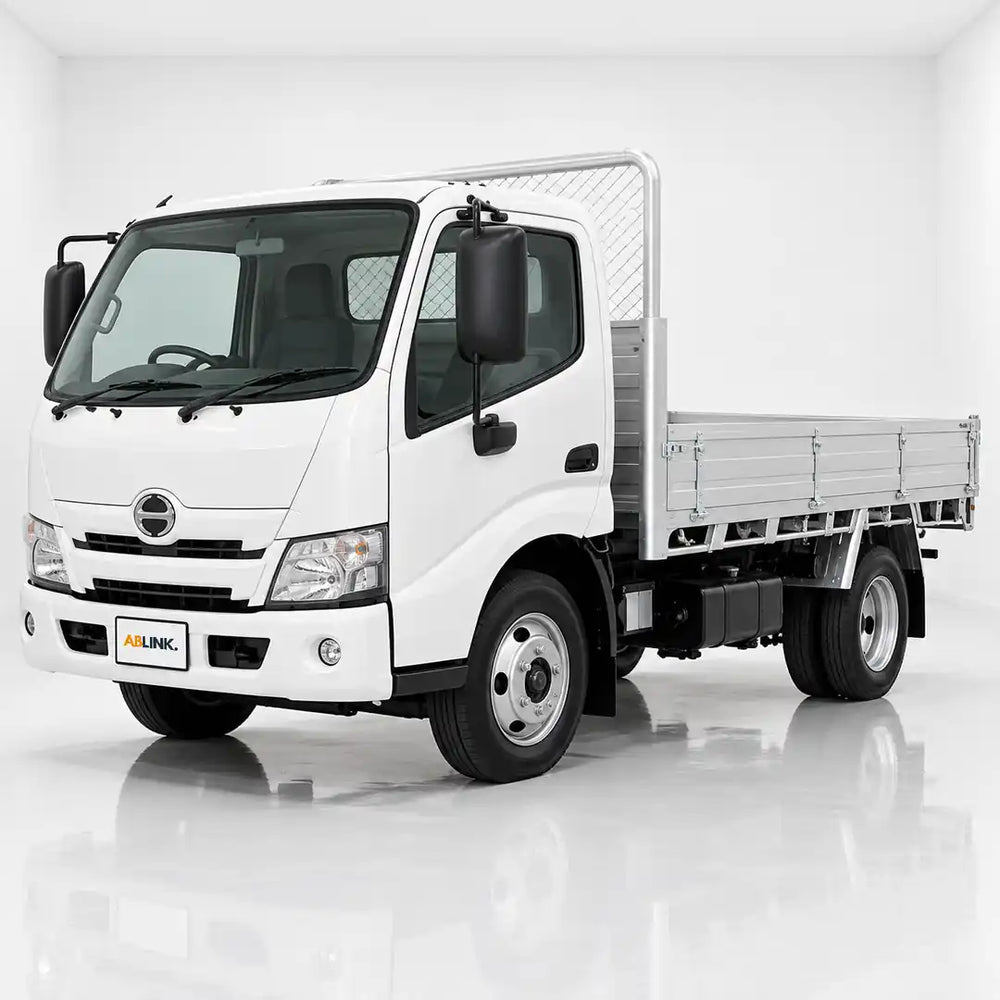
The Isuzu N-Series sits alongside several rival light trucks in the ABLINK range. The Hino 300 and the Mitsubishi Fuso Canter are its closest competitors on size and role. Each differs on cab, payload, and configuration, so compare verified specifications rather than badges. Use the table below to open each listing.
When to Step Up to a 14-Foot Truck
An N-Series stops making sense once your loads outgrow its deck. If you regularly fill the NPR and still need more, a 14-foot truck fits better. The Isuzu FRR is the natural step up from the N-Series into heavier work. A larger truck, however, moves you firmly into Class 4 and a higher running cost. Confirm your real load trend before sizing up, since an oversized truck wastes fuel daily. Compare the step-up on the Isuzu FRR90 listing or browse ABLINK's 14-foot truck range.
Pros and Cons for a Singapore Buyer
No light truck is perfect. The Isuzu N-Series trades cutting-edge features for proven reliability and easy servicing. Weigh these honestly against your operation before you sign.
Strengths
-
Proven reliability — a long track record as a Singapore workhorse
-
Wide parts network — easy servicing keeps downtime and cost predictable
-
Variant choice — NJR, NNR, and NPR cover light to high-payload work
-
Strong resale — steady used-market demand supports residual value
-
Torquey diesel — low-end pulling power suits stop-start urban delivery
Trade-offs
-
Licence step — heavier variants need a Class 4 driver, not Class 3
-
Diesel running cost — higher per-km fuel cost versus eLGV alternatives on high mileage
-
Variant overlap — the NPR75 and NPR85 need careful comparison before you choose
-
COE at record levels — Category C hit SGD $92,223 in May 2026; budget accordingly
-
Fewer modern features — the cab favours durability over the latest technology
How to Buy the Right Isuzu N-Series
Buying the right N-Series takes four checks, in order. Work through them before you commit. Each one protects you from a costly surprise later.
-
Match the variant to your load — Confirm the payload and body length you actually need against the NJR, NNR, or NPR listing
-
Check the licence class — Read the unladen weight on the log card against the 2,500 kg Class 3 ceiling for diesel trucks
-
Confirm the COE and fees — Verify the Category C band, road tax, and 5% ARF with LTA
-
Model the running cost — Compare fuel, servicing, and resale across the variants you shortlist
🚚 Ready to price it up? See the latest Isuzu N-Series price, COE package and full specs, or compare the range in ABLINK's 10-foot truck range.
FAQ: Isuzu N-Series Singapore — Questions Answered
What is the difference between the Isuzu NJR, NNR, and NPR?
The three share the N-Series platform but differ in payload and weight. The NJR is the lightest, aimed at small urban deliveries. The NNR is the mid-weight all-rounder for general trade. The NPR carries the most and takes the longest bodies. Confirm the exact gross vehicle weight, payload, and body length for each variant on the live ABLINK listing before deciding.
What licence do I need to drive an Isuzu N-Series in Singapore?
It depends on the variant's unladen weight. The Traffic Police set the Class 3 ULW ceiling at 2,500 kg for diesel/ICE trucks. A truck at or below that figure stays in Class 3; a heavier one needs a Class 4 licence. Note: the 3,000 kg threshold announced in December 2025 applies only to electric goods vehicles, not diesel trucks like the N-Series. Always confirm the unladen weight on the log card.
Which COE category does the Isuzu N-Series fall under?
Every Isuzu N-Series variant registers under COE Category C, the Goods Vehicle and Bus category. LTA sets a 10-year COE for goods vehicles, with a maximum 20-year lifespan. The Additional Registration Fee is 5% of Open Market Value. The Category C premium hit SGD $92,223 at the May 2026 bidding exercise — verify the latest figure with LTA before purchase.
How much can an Isuzu NPR carry?
The NPR is the high-payload variant of the N-Series, carrying more than the NJR or NNR. The NPR75 and NPR85 differ in capacity and configuration. Confirm the rated payload and body length for the exact NPR variant on its live ABLINK listing before buying.
Is the Isuzu N-Series better than the Hino 300 or Fuso Canter?
The Isuzu N-Series, Hino 300, and Mitsubishi Fuso Canter compete closely on size and role. Each differs on cab, payload, and configuration, so no single truck wins for every fleet. Isuzu earns its reputation on reliability and parts availability. Compare verified Singapore specifications and live listings rather than badges.
How long does a goods vehicle COE last in Singapore?
A goods vehicle in COE Category C carries a 10-year COE, per LTA. The vehicle has a maximum 20-year lifespan, so you can renew the COE once to reach that limit. Renewal depends on the prevailing quota premium at the time. Confirm the current renewal rules and premium with LTA before planning a second COE term.
Which Isuzu N-Series is the most fuel-efficient?
Lighter variants generally use less fuel per kilometre under the same route. The NJR therefore tends to be the most economical, and the NPR the least, on like-for-like work. Real fuel use depends on load, traffic, and driving style. Confirm the engine specification for the exact variant on its live listing.
Related Vehicles at ABLINK
Isuzu N-Series variants
Rival light trucks
Step up a size
Compare the Isuzu N-Series With ABLINK
The Isuzu N-Series earns its place when reliability, parts availability, and the right payload line up. Before deciding, match the variant to your load, read the unladen weight against the 2,500 kg Class 3 ceiling for diesel trucks, and verify the Category C COE and fees with LTA. ABLINK's commercial vehicle team works through these checks with Singapore logistics, renovation, and trade fleets. The team also lines the N-Series up against the Hino 300 and Fuso Canter on verified local specifications. See the latest Isuzu N-Series price and COE package on the live listing, or browse ABLINK's 10-foot truck range to compare.
Published by the ABLINK Commercial Vehicle Team. Updated June 2026. Vehicle specifications vary by variant and configuration; the exact Singapore unit's gross vehicle weight, payload, body length, engine, and registration appear on the live listing and should be verified there. Regulatory references draw from LTA and the Singapore Police Force. Licensing, COE, and registration rules change over time — verify current requirements with LTA and the Traffic Police before purchase. Body price is quoted separately from the COE package and varies with each COE bidding exercise. This guide is independent editorial guidance and is not affiliated with or endorsed by Isuzu, Hino, or Mitsubishi Fuso.