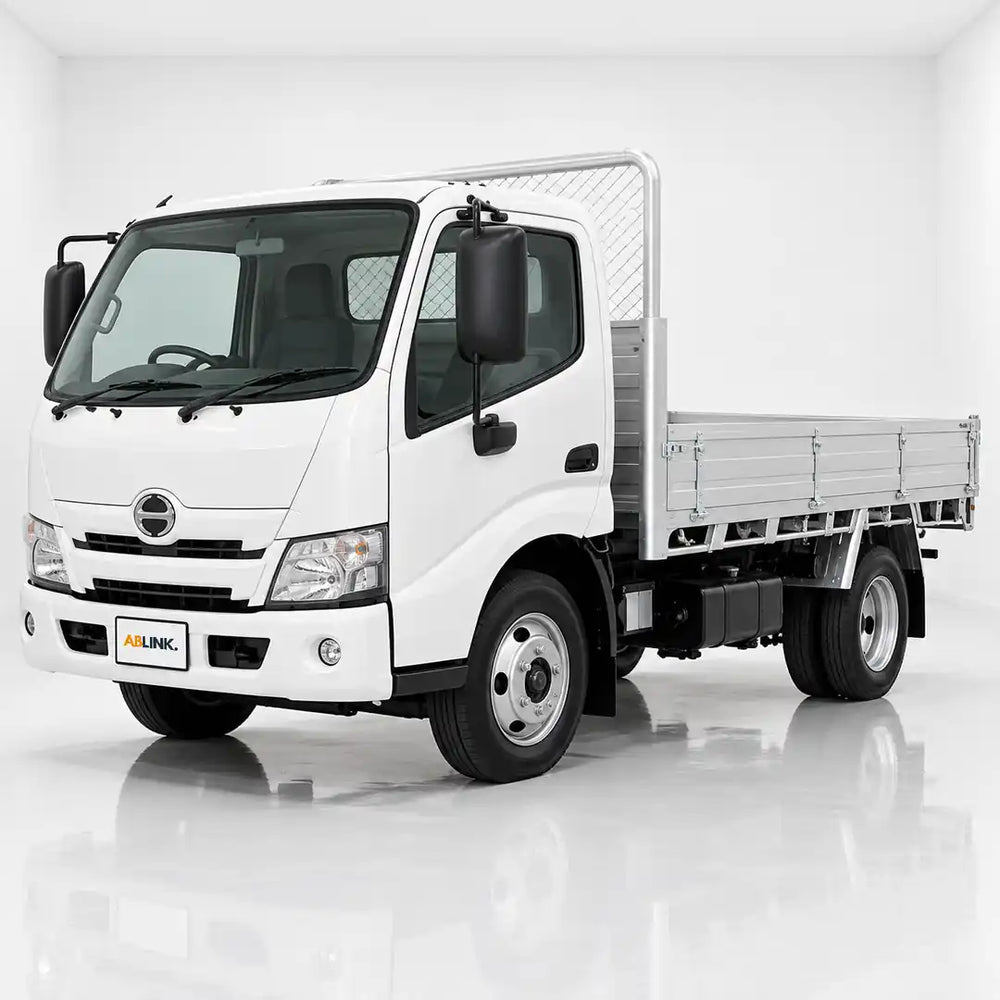
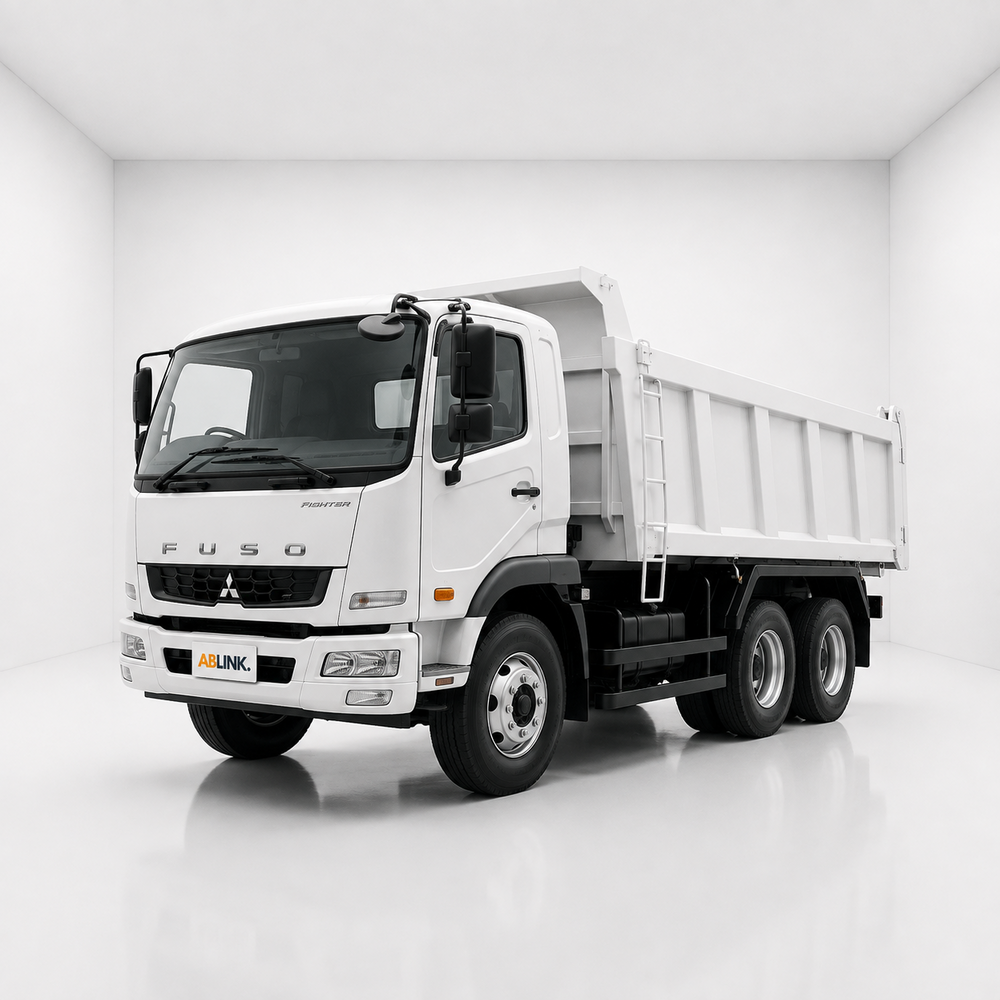
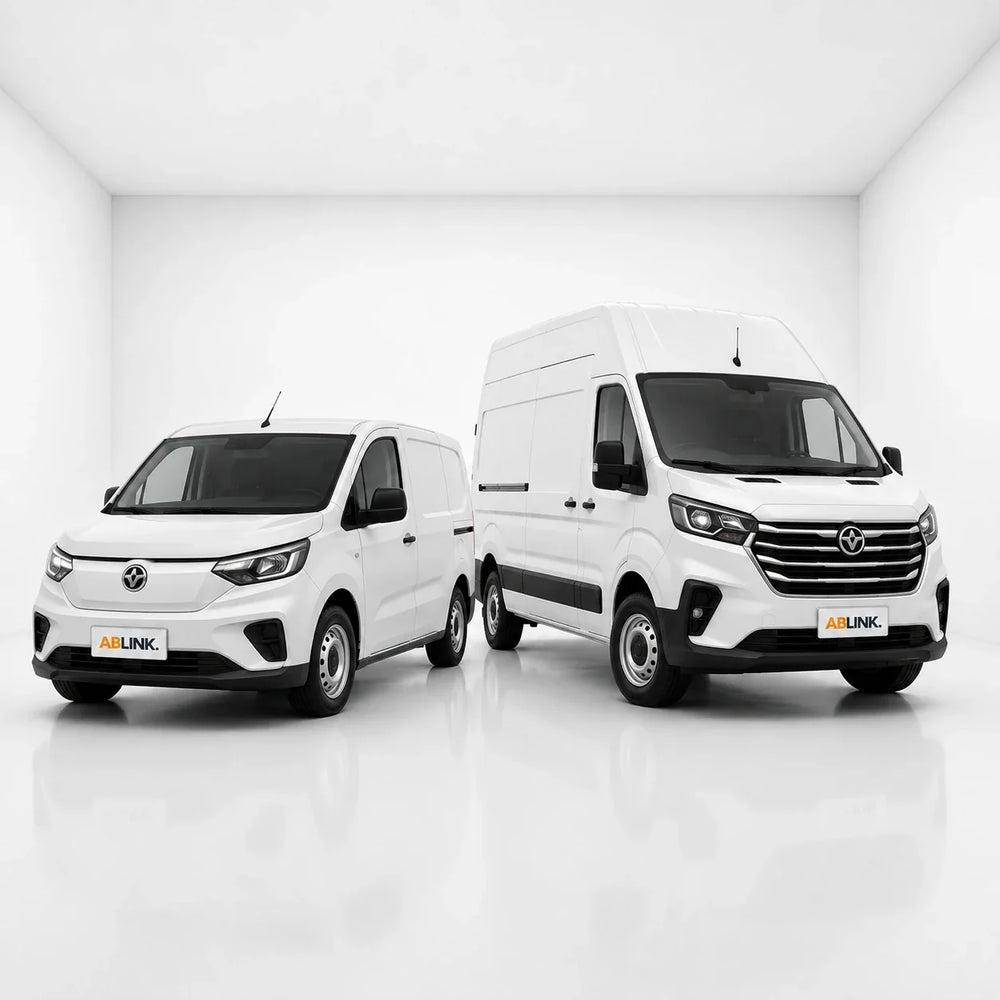
Choosing the right commercial vehicle in Singapore means balancing operational needs, budget constraints, and long-term cost efficiency. While pickup trucks (often called double cabs) are attractive for their SUV-like comfort and open cargo beds, commercial vans dominate Singapore’s business vehicle market for very practical reasons.
At ABLINK, commercial vehicle selection is a daily conversation with business owners—from e-commerce startups to established contractors. This guide compares pickup trucks vs commercial vans in Singapore using real operational considerations, so you can choose the right platform for your specific use case.
Disclaimer: All prices, fuel figures, and cost ranges in this guide are approximate and subject to change based on COE fluctuations, fuel prices, and market conditions. For current pricing and availability, please refer to ABLINK’s latest listings or contact the team directly.
Why Pickup Trucks Appeal to Business Owners
The attraction to pickup trucks in Singapore is understandable. Modern double cab models combine:
-
Rugged, off-road-inspired styling
-
Passenger car / SUV-like comfort
-
Seating for up to five passengers
-
An open cargo bed that appears highly flexible
This hybrid positioning makes pickups popular with:
-
Business owners who also want a personal lifestyle vehicle
-
Companies that occasionally transport bulky or dirty cargo
-
Operators who value towing capacity and off-road capability
However, many buyers realise only after purchase that Singapore’s climate, infrastructure, and regulatory environment make pickups less efficient for day-to-day commercial operations than expected.
Singapore’s Climate Reality: 2,400mm Annual Rainfall
Singapore’s tropical weather is the single biggest operational challenge for open-bed vehicles:
-
Around 2,400mm of annual rainfall
-
Rain on roughly 160–170 days per year
-
High humidity and sudden showers without warning
For open-bed pickup trucks, this creates constant cargo protection problems. To protect goods, businesses typically invest in:
-
Tonneau covers (hard or soft bed covers)
-
Tarpaulins with securing straps for ad-hoc coverage
-
Weatherproof boxes or tool chests for high-value items
-
Extra time at every stop to secure and protect loads
Even with these add-ons, challenges remain:
-
Long or oversized items often extend beyond the bed and remain exposed
-
Moisture-sensitive cargo (electronics, paper, textiles, food) is always at risk
-
Night-before loading becomes risky during stormy periods
By contrast, commercial vans provide fully enclosed cargo areas, allowing:
-
Safe overnight loading (vehicle packed the evening before)
-
Completely weather-proof delivery operations
-
Better protection for inventory, tools, and equipment
For most businesses, especially those delivering packaged goods, equipment, or materials, this alone tilts the equation strongly in favour of vans.
Security Considerations: Open Bed vs Enclosed Cargo
Security is another critical factor often underestimated by pickup owners.
With an open bed:
-
Tools, inventory, and equipment are visible from outside
-
Vehicles parked overnight in HDB estates or open commercial carparks are easy targets
-
Even with bed covers, opportunistic theft is more likely
-
Lockable toolboxes help, but they reduce usable cargo space and add cost
By comparison, commercial vans offer:
-
Fully enclosed, lockable cargo bays
-
No direct visibility of valuable items from outside
-
Easier integration of internal shelving, lockable cabinets, and partitions
For businesses carrying high-value inventory (electronics, tools, branded goods), the van’s enclosed architecture significantly reduces risk and improves insurance conversations.
Total Cost of Ownership: Pickup vs Commercial Van
Beyond the showroom price, Total Cost of Ownership (TCO) is what truly impacts business profitability.
Fuel Efficiency
Typical real-world figures in Singapore’s urban conditions:
-
Pickup trucks: ~10–12 km/L
-
Commercial vans: ~13–15 km/L (for similar load profiles)
For a business driving 20,000 km per year:
-
At 11 km/L vs 14 km/L, the van uses ~400–500 liters less fuel annually
-
Multiplied by local fuel prices, this becomes a meaningful recurring saving every single year
Insurance Premiums
Insurance pricing depends on model, usage, driver profile, and coverage. However:
-
Pickup trucks generally carry higher purchase values and costlier repair bills
-
This tends to push annual premiums higher than for comparable-capacity vans
-
Some insurers classify double cabs closer to passenger vehicles, impacting rating
Vans, especially established commercial platforms like the Toyota Hiace, often slot into well-understood commercial rating categories, making premiums more predictable.
Maintenance Requirements
Pickup suspensions are engineered for:
-
Heavy loads
-
Towing
-
Occasional off-road use
When used mostly in light-duty, stop-start urban delivery, common in Singapore:
-
Overengineered suspension components can wear in less optimal ways
-
Tyre and brake wear may not align with real-world usage patterns
-
Custom accessories (covers, racks, liners) add more things to maintain
Commercial vans are built specifically for:
-
Daily urban usage
-
Frequent loading/unloading
-
Multi-drop operations
They tend to deliver more predictable maintenance patterns in Singapore’s real-world business context.
Why Commercial Vans Dominate Singapore Business Operations
Look around Singapore’s industrial estates, HDB loading bays, and CBD back lanes. You will mostly see vans, not pickups. There are several reasons why.
1. Weather-Proof, Always-On Operation
Vans provide fully enclosed cargo spaces:
-
Goods remain protected from rain, sun, and wind
-
Vehicles can be loaded the night before early morning routes
-
Sensitive goods (documents, electronics, cosmetics, F&B) stay sheltered
-
No need for constant weather checks or last-minute repacking
For businesses running daily delivery routes, this reliability directly translates into fewer disruptions and fewer damaged goods.
2. Cargo Organization & Efficiency
Vans don’t just protect cargo—they organize it.
Inside a commercial van, you can implement:
-
Shelving systems for tools, small parts, and consumables
-
Racking for cartons and boxes
-
Vertical stacking to maximize every cubic meter
-
Partitions separating clean from dirty cargo or tools from inventory
For multi-stop operations like:
-
E-commerce parcel delivery
-
Maintenance and repair services
-
Retail restocking
-
Catering or mobile F&B
Being able to reach exactly what you need without climbing into an open bed or shifting multiple items is a major time and labour saver.
3. Urban Maneuverability & Access
Commercial vans are optimised for Singapore’s dense urban environment:
-
Shorter wheelbases for easier turning
-
Sliding side doors for kerbside loading in tight spaces
-
Better all-round visibility for carparks and narrow HDB driveways
Pickups, especially double cabs, can be:
-
Longer overall
-
Less manoeuvrable in tight multi-storey carparks
-
Dependent on rear tailgate clearance, which is often restricted in cramped loading zones
For businesses making multiple stops per day, the van’s ergonomics clearly win.
Commercial Vehicle Options at ABLINK
ABLINK maintains a broad commercial vehicle inventory that serves different industries, fleet sizes, and budget levels.
You can explore the full range here:
View Current Commercial Vehicle Inventory →
Compact Vans: Urban Specialists
Compact vans are ideal for:
-
E-commerce last-mile delivery
-
Small parcel services and couriers
-
Mobile service businesses (grooming, repair, home services)
-
Home-based entrepreneurs transitioning into dedicated logistics
Key advantages:
-
Excellent fuel efficiency (often 15–20 km/L range depending on model and use)
-
Small footprint for tight CBD streets and HDB estates
-
Lower road tax and insurance vs larger vehicles
-
Affordable entry point for startups or part-time commercial operations
Medium Vans: The Workhorse Segment
Medium-sized vans are the backbone of many Singapore SMEs:
Suitable for:
-
Renovation contractors
-
Event and AV companies
-
F&B distribution and catering
-
Retail inventory and stock movements
-
Equipment hire and service providers
Key advantages:
-
Substantial cargo volume (4–6 cubic meters typical)
-
Configurable seating (2 to 5+ passengers)
-
Proven durability for daily commercial use
-
Dual rear doors and sliding side doors for ergonomic loading
Toyota Hiace: Industry Standard in Singapore
The Toyota Hiace is one of Singapore’s most recognisable commercial vans, and for good reason—it has become the default benchmark for reliability and capability.
You can see Toyota Hiace details within ABLINK’s inventory here:
View Toyota Hiace →
Typical Hiace Configurations
-
Panel Van: full cargo, no rear seats
-
Window Van: cargo + visibility
-
Commuter/Passenger: group transport and shuttle services
-
High Roof: maximum cargo volume for logistics-intensive operations
Representative Specifications
(Exact specifications vary by variant, but typical Hiace setups include:)
-
2.0L petrol or 2.8L turbo diesel engines
-
Payload around 1,000kg+
-
Cargo volume up to ~6.2 cubic meters (high-roof versions)
-
Seating from 2 to 10+ depending on layout
Hiace benefits from:
-
Extensive Toyota service network in Singapore
-
Strong parts availability
-
Long-term reliability records
-
Good resale value in the used commercial market
Electric Commercial Vans: Future-Proofing Your Fleet
Singapore’s move toward lower emissions and carbon reduction makes electric commercial vehicles (EV vans) increasingly attractive.
Explore ABLINK’s EV commercial range here:
View Electric Commercial Vehicles →
Operating Cost Comparison: EV vs Diesel Van
Approximate per-kilometre running costs:
-
Electric vans: ~$0.15–$0.25 per kilometre (electricity-based)
-
Diesel vans: ~$0.35–$0.45 per kilometre (depending on fuel price and consumption)
For 20,000 km/year:
-
Annual energy cost difference can be several thousand dollars in favour of EVs
Additional EV advantages:
-
No oil changes
-
Regenerative braking extends brake component life
-
Lower noise levels (ideal for residential or early-morning operations)
-
Potential incentive schemes (subject to current government policies)
Range and Practicality
Most commercial EV vans offer:
-
150–250 km range per charge, more than enough for:
-
Same-day delivery routes
-
Maintenance and service rounds
-
Island-wide urban operations
-
Typical operating pattern:
-
Charge overnight at depot or office
-
Use during business hours
-
Optional mid-day charging top-up only if required
For city-focused businesses, EV vans can deliver major TCO savings over 5–7 years.
When Pickup Trucks Still Make Sense
Despite the many advantages of commercial vans, there are scenarios where pickup trucks are the correct choice.
1. Landscaping and Horticulture
Businesses handling:
-
Soil, mulch, gravel, stones
-
Plants and trees
-
Outdoor equipment and machinery
benefit from:
-
Open beds that can be quickly loaded and hosed down
-
Less concern about interior cleanliness
-
Easy tipping or shovelling operations
2. Long, Oversized Materials
Some operations regularly move:
-
Long timber beams
-
Scaffolding
-
Steel pipes
-
Oversized frames
While some of this can be handled by 14ft lorries or trailers, certain setups genuinely benefit from a pickup bed—especially on jobsites where manoeuvrability and ground clearance matter.
3. Industrial & Marine Environments
In shipyards, ports, and heavy industrial settings:
-
Cargo is frequently dirty, oily, or wet
-
Weather exposure is accepted as normal
-
Cleaning an open bed is simpler than maintaining an enclosed cargo area
In such contexts, pickups can align better with the rough operating environment.
4. Dual-Purpose Lifestyle Use
If you genuinely need:
-
Weekday commercial use
-
Weekend family, leisure, camping, or off-road use
and are prepared to accept higher running costs, a pickup can serve as a hybrid solution. This is more a lifestyle decision than a pure business optimisation choice.
Vehicle Financing & Ownership Options with ABLINK
ABLINK provides flexible pathways to commercial vehicle access tailored to different financial strategies.
1. Purchase Options
New Vehicles:
-
Full manufacturer warranty
-
Latest safety and efficiency technology
-
Predictable depreciation curve
See ABLINK’s new vehicle offerings here:
Shop New Vehicles →
Quality Used Inventory:
-
Carefully inspected pre-owned vans, lorries, and trucks
-
Lower capital outlay vs new
-
Strategic option for testing routes or building initial fleets
Browse the full catalogue:
View Available Inventory →
2. Trade-In Program
If you already own a commercial vehicle or pickup:
-
ABLINK offers competitive trade-in valuations
-
Handles ownership transfer and paperwork
-
Allows you to offset part of the cost of your next van or lorry
Start here:
Sell Your Existing Commercial Vehicle →
3. Commercial Vehicle Leasing
Leasing is ideal for:
-
Preserving working capital
-
Keeping upfront costs low
-
Wanting predictable monthly expenses
Benefits include:
-
Lower monthly cash outlay vs full purchase financing
-
Potential tax advantages (treating lease as operating expense – check with your accountant)
-
Maintenance-inclusive packages
-
Easier upgrades when business needs change
Explore ABLINK’s leasing options:
Lease a Commercial Vehicle →
For structured financing advice based on your business model:
Contact ABLINK for Financing Consultation →
Pickup Truck vs Commercial Van: Making the Right Decision
Choose a Commercial Van When:
-
Your operations are primarily urban deliveries or service calls
-
Cargo needs weather protection
-
You make multiple stops daily and require organised storage
-
Security in public or residential parking is a concern
-
Operating cost per kilometre is critical to profitability
-
You want easier access to parking and HDB/commercial buildings
Consider a Pickup Truck When:
-
Cargo is inherently dirty, heavy, or irregularly shaped
-
Open-bed access provides a clear operational advantage
-
You work mostly in industrial, off-road, or marine environments
-
You truly need dual-purpose (business + lifestyle) usage and accept the higher TCO
For most Singapore businesses in delivery, services, retail, F&B, light construction, and trades, a commercial van offers the best balance of:
-
Capability
-
Cost efficiency
-
Weather and security performance
-
Long-term total cost of ownership
Additional Selection Resources from ABLINK
-
Browse All Commercial Vehicles:
Find vans, pickups, lorries, EVs, and more.
View All Products → -
14ft Lorry Options for Large Cargo:
When capacity requirements exceed typical van limits.
Explore 14ft Lorries → -
Electric Commercial Vehicles:
For businesses exploring low-emission fleet strategies.
EV Commercial Vehicles → -
Diesel Workhorses:
Traditional, proven diesel platforms for heavy-duty use.
Diesel Vehicle Options → -
Sell Your Current Vehicle:
Upgrade from a pickup to a van or from van to lorry.
Get a Free Sell-Your-Vehicle Quotation →
Talk to a Commercial Vehicle Specialist
Choosing between a pickup truck and a commercial van is a strategic decision that shapes your daily operations, operating costs, and service quality.
The team at ABLINK provides:
-
One-to-one consultation
-
Vehicle recommendations based on real use cases
-
Financing and leasing comparisons
-
Upgrade pathways for existing vehicle owners
You can reach ABLINK via:
-
Online Inquiry & Contact Form:
Contact ABLINK Today → -
Full Inventory Overview:
Browse All Commercial Vehicles →