Singapore's food and pharmaceutical supply chain runs 24 hours, seven days a week, in a climate that sits at 30–33°C year-round. A refrigerated truck is not optional equipment for food distributors, caterers, and pharmaceutical logistics operators — it is a regulatory requirement and a commercial necessity. But choosing the wrong chassis, the wrong temperature zone configuration, or the wrong body adds costs that compound over years of operation. This guide covers what refrigerated truck operators in Singapore actually need to know before they buy.
Key Takeaway: In Singapore, refrigerated truck selection starts with temperature zone — chiller (0–4°C) for fresh produce and dairy, frozen (−18°C) for meat and seafood, or blast-freeze (−25°C) for food manufacturing. The refrigeration body adds significant weight to the chassis unladen figure, which can push your truck from Class 3 into Class 4 licence territory. Confirm the final unladen weight at an LTA-authorised weighbridge after body fitment — not before.
Singapore's Cold Chain Demand: Why Refrigerated Trucks Matter Here
Most temperate markets use refrigerated vehicles seasonally. In Singapore, they run every day of the year. The combination of consistent equatorial heat, Singapore's food safety regulatory framework under the Singapore Food Agency (SFA), and the growth of pharmaceutical cold chain logistics has pushed demand for refrigerated commercial vehicles to a level that outstrips the general commercial vehicle market in growth rate.
SFA Food Transport Compliance Requirements
The Singapore Food Agency regulates the transport of perishable food under the Sale of Food Act and associated regulations. Food businesses transporting chilled or frozen products are required to maintain specified temperature ranges throughout the cold chain:
-
Chilled products — fresh produce, dairy, ready-to-eat food: 0°C to 4°C during transport
-
Frozen products — meat, seafood, frozen meals: −18°C or below during transport
Operators who fail to maintain documented temperature compliance during transport risk enforcement action from SFA, including suspension of food business licences. A refrigerated truck without a functioning temperature logging system is a compliance risk, not just an equipment issue. All new refrigerated vehicles for food transport should include a calibrated temperature data logger as standard fitment — confirm this is included before taking delivery.
Pharmaceutical Cold Chain: Stricter Requirements
Pharmaceutical cold chain logistics in Singapore operates under Health Sciences Authority (HSA) Good Distribution Practice (GDP) guidelines. Pharmaceutical products typically require transport temperatures of 2°C to 8°C, with some biologics requiring −20°C or colder. GDP-compliant refrigerated trucks require calibrated temperature monitoring, validated cooling performance, and documented maintenance records. If your operation includes pharmaceutical distribution, confirm with the refrigeration unit supplier that the system can be validated to GDP standards before purchase — not all commercial refrigeration units meet this bar.
Three Temperature Zones: Which Do You Need?
Refrigerated trucks in Singapore's commercial market split across three operating temperature zones. Buying the wrong zone — or trying to run multiple zones from a single-zone unit — is the most common and most expensive mistake in refrigerated truck procurement.
Chiller Zone: 0°C to 4°C
Chiller trucks serve the largest market segment in Singapore — fresh produce, dairy, prepared foods, beverages, and general perishables. Refrigeration units for chiller-range operation are lighter and less power-intensive than frozen units, which means lower fuel consumption and lower maintenance frequency. Chiller trucks are the entry point for most small catering, food distribution, and supermarket delivery operations in Singapore.
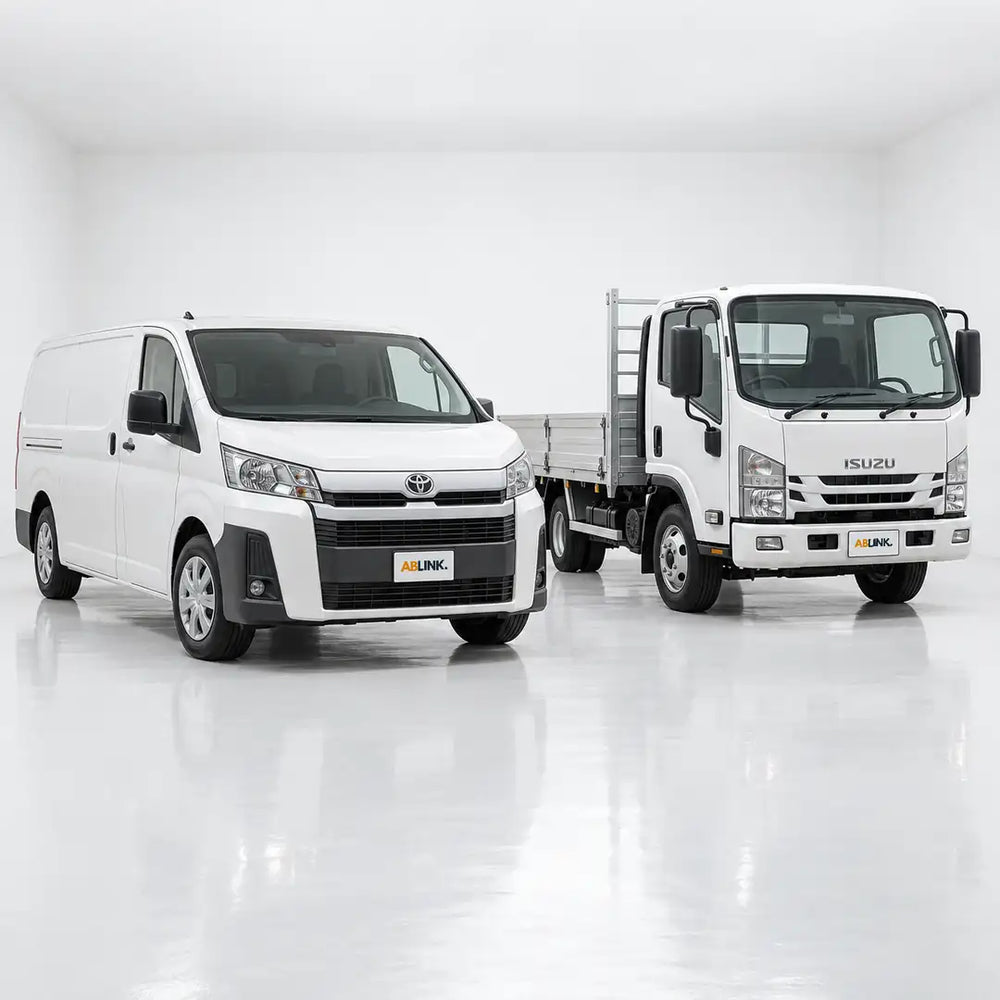
The Isuzu NNR85 10-foot lorry chassis — available from ABLINK — is one of the most commonly specified platforms for chiller body fitment in Singapore's food logistics market. The chiller configuration on a 10-foot platform gives operators the best chance of remaining within Class 3 unladen weight limits, though final confirmation always requires a weighbridge check after body fitment.
Frozen Zone: −18°C and Below
Frozen transport trucks operate at −18°C or below and serve meat wholesalers, seafood distributors, frozen food manufacturers, and ice cream distributors. The refrigeration units are heavier and more power-intensive than chiller systems — and the weight addition to the chassis is the critical factor for licence class determination in Singapore.
For a 14-foot lorry chassis like the Isuzu NPR85 (from $57,800 body price at ABLINK), adding a frozen refrigeration body and insulated panels will in most configurations push unladen weight above 2,500kg, requiring a Class 4 licence. Plan your driver pool accordingly before specifying a frozen lorry build. The Class 3 vs Class 4 licence guide for Singapore explains exactly which vehicles fall under which class and what the training implications are.
Dual-Zone and Blast-Freeze Configurations
Dual-zone refrigerated trucks maintain two separate temperature compartments — typically a chiller section at 0°C to 4°C and a frozen section at −18°C — within the same cargo body. They serve operators who deliver mixed loads: fresh produce and frozen meat in the same run. Dual-zone bodies are heavier than single-zone units and typically cost more to fabricate and maintain.
Blast-freeze units, operating at −25°C or below, are specialist equipment for food manufacturing and certain pharmaceutical applications. They are not standard catalogue items — you order them to specification. If your operation requires blast-freeze capability, confirm the chassis gross vehicle weight rating can accommodate the full refrigeration system weight before ordering the chassis.
Choosing the Right Chassis: 10ft vs 14ft Lorry
The refrigerated body goes on top of a standard commercial lorry chassis. Choosing the right chassis means matching cargo volume, payload capacity, and route requirements to what is available — then calculating whether the body weight keeps you in Class 3 or pushes you into Class 4.
10-Foot Lorry Chassis: Class 3, HDB-Accessible, Lower Entry Cost
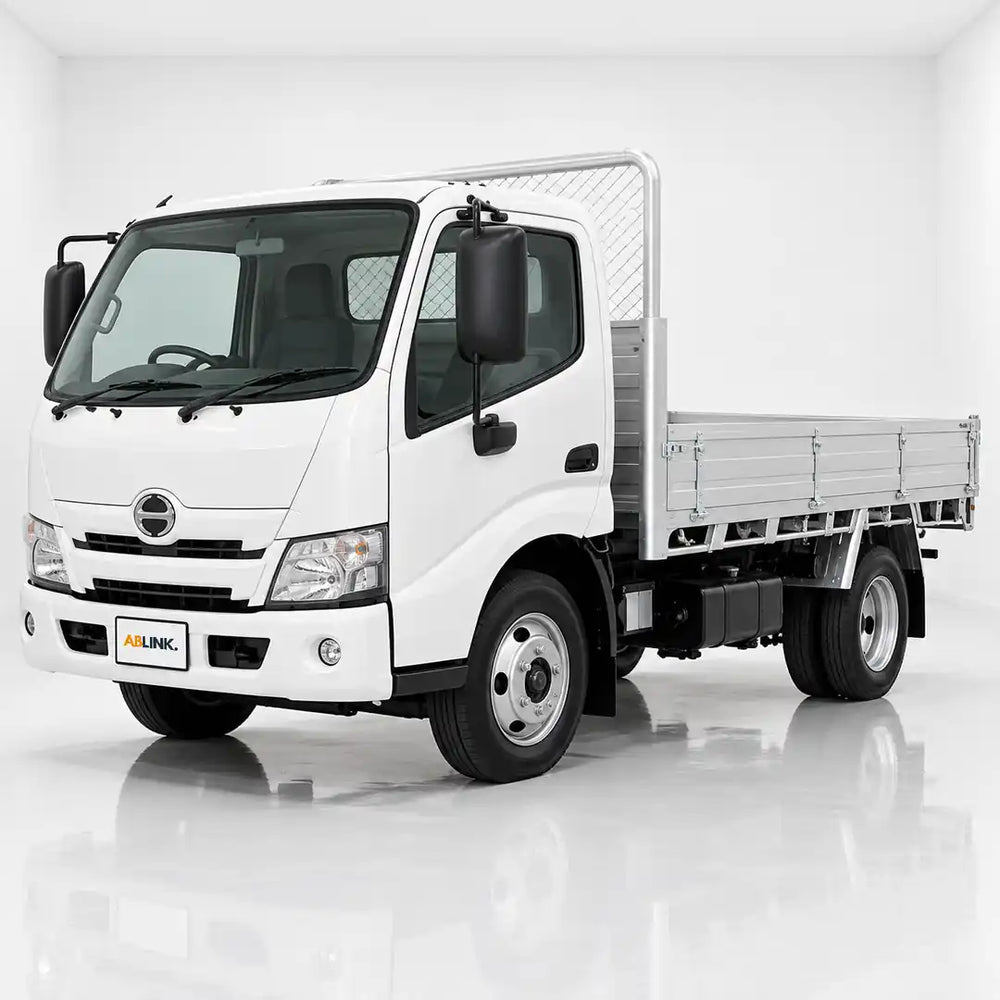
A 10-foot lorry chassis like the Isuzu NNR85 or Toyota Dyna starts at around $51,800–$54,800 body price at ABLINK. Before the refrigerated body is fitted, most configurations sit within Class 3 unladen weight limits. A chiller body on a 10-foot platform can often remain within Class 3 — confirm with the body fabricator and verify the final unladen weight at a weighbridge after fitment.
10-foot refrigerated trucks also fit into Singapore's standard HDB multi-storey carpark height clearances, giving access to residential delivery areas that 14-foot lorries cannot reach. For caterers delivering to HDB event spaces, wet market distributors, and small convenience store chains, the 10-foot refrigerated lorry is typically the right platform. Browse the ABLINK 10-foot lorry range for current body prices and COE packages.
14-Foot Lorry Chassis: Higher Payload, Class 4 Likely with Frozen Body
A 14-foot lorry chassis — the Isuzu NPR85, Mitsubishi Canter, or similar — carries significantly more cargo volume and payload. This is the standard platform for Singapore's wholesale food distributors, supermarket chains, and large catering operations. The Isuzu N-Series 14-foot lorry starts from $57,800 body price at ABLINK — see the full Isuzu N-Series Singapore review for detailed specifications.
Adding a frozen refrigerated body to a 14-foot chassis will in most configurations result in a vehicle requiring a Class 4 licence once body weight is included. For chiller-only builds on lighter 14-foot configurations, some operators remain within Class 3 limits — but confirm with the body builder and verify via a weighbridge before service entry. The 14ft lorry Singapore complete guide covers the base chassis comparison in full.
The Weight Penalty: How Refrigerated Bodies Change Your Licence Class
This is the issue most buyers discover after they have already ordered the truck. A refrigerated body is not light — it includes the refrigeration unit, insulated panel system, floor drainage, and internal fittings. The total addition to unladen weight depends on body size, insulation thickness, refrigeration unit model, and fitout options.
How Weight Addition Affects Licence Class
The one rule that applies to every build: always confirm the final unladen weight after body fitment at an LTA-authorised weighbridge. Update the vehicle log card through LTA if the weight changes. Operating a vehicle whose log card understates actual unladen weight is a compliance failure under Singapore traffic law. The Singapore lorry size guide covers unladen weight ranges for each lorry category.
Total Cost of Ownership: What a Refrigerated Truck Actually Costs
A refrigerated truck purchase has three cost layers that buyers often evaluate separately but should always assess together: the base chassis, the refrigerated body, and ongoing operational costs.
Chassis Plus Body: The Upfront Cost Structure
ABLINK's 10-foot lorry chassis — Isuzu NNR85 or Toyota Dyna — starts from $51,800 body price, before COE. The April 2026 Cat C COE Quota Premium stood at $80,001, with a Prevailing Quota Premium of $75,751 for 10-year renewal, according to LTA's published bidding results.
Refrigerated body fabrication by a Singapore-qualified body builder varies by size, temperature zone, insulation specification, and equipment brand — request a detailed quotation from your body builder before committing to a chassis, as costs depend on your specific configuration requirements. Total on-road cost for a Singapore refrigerated lorry should be calculated as: chassis body price + COE + body fabrication + registration fees. Contact ABLINK's commercial team for current chassis pricing and the ABLINK COE and loan page for financing options.
Ongoing Operational Costs
Refrigeration unit maintenance adds an annual cost that a standard lorry does not carry. Refrigeration compressors, condenser coils, and temperature monitoring systems require scheduled servicing — typically every 6 to 12 months depending on run hours. Maintenance costs vary by unit brand, age, and run hours; budget for this line item in your fleet operating cost model and request a service schedule from your refrigeration unit supplier at the time of purchase.
Road tax follows the standard Singapore commercial goods vehicle schedule. Insurance for refrigerated trucks typically carries a premium above standard commercial vehicle coverage given the specialised body value — confirm the insured body value is stated separately in your commercial vehicle policy.
Buying a Refrigerated Truck via ABLINK: The Process
ABLINK supplies the base lorry chassis. The refrigerated body is fabricated and fitted by a specialist body builder once the chassis is registered. This two-stage process is standard for Singapore's commercial refrigerated vehicle market.
Step 1 — Choose and order the chassis: Decide on 10-foot or 14-foot platform based on your cargo volume and route requirements. Check current chassis stock and COE packages on ABLINK's new commercial vehicles page — COE packages change with each bidding exercise, so the live listing carries the current price. Contact the ABLINK team via WhatsApp to confirm availability and lead time before placing a chassis order.
Step 2 — Specify the refrigerated body: Brief your body builder on the temperature zone, cargo dimensions, vehicle registration class you need to maintain, and any SFA or HSA compliance documentation you require. Confirm the estimated final unladen weight before the body is fabricated — this determines whether you need to recruit Class 4 drivers. Reputable Singapore body builders provide a written weight estimate with the quotation.
Step 3 — Verify compliance before service entry: After body fitment, weigh the completed vehicle at an LTA-authorised weighbridge. Update the log card if the unladen weight differs from registration. Commission a temperature validation test for SFA compliance documentation. Confirm driver licence class against the final unladen weight. These steps take one to two days and protect you against the compliance failures that arise when they are skipped.
If a smaller chiller van suits your delivery volumes better than a full-size refrigerated truck, our refrigerated chiller van buying guide walks through that option.
FAQ: Refrigerated Trucks in Singapore
What temperature is required for food transport vehicles in Singapore?
SFA regulations require chilled food to be transported at 0°C to 4°C and frozen food at −18°C or below throughout the cold chain. Food businesses transporting perishable products must maintain and document temperature compliance during transport. A calibrated temperature data logger in the vehicle is the standard method for demonstrating compliance during SFA inspections.
What licence do I need for a refrigerated lorry in Singapore?
The licence class depends on the vehicle's unladen weight after the refrigerated body is fitted — not the bare chassis weight. If the final unladen weight is below 2,500kg, Class 3 applies. Above 2,500kg, Class 4 is required. Most 14-foot refrigerated lorries and many 10-foot frozen trucks exceed 2,500kg unladen after body fitment. Always verify the final unladen weight at an LTA-authorised weighbridge and update the log card before the vehicle enters service.
How much does a refrigerated truck cost in Singapore?
Total on-road cost depends on chassis body price, COE at current Cat C levels, and refrigerated body fabrication cost — which varies by configuration. Contact ABLINK for current chassis body prices and request a detailed body fabrication quotation from a Singapore body builder for your specific temperature zone and size requirements before calculating your total.
Can I fit a refrigerated body on a 10-foot lorry and stay in Class 3?
Possibly, for a chiller-only body on a lighter 10-foot chassis. The final unladen weight depends on the exact chassis specification and body fitout. Get a written weight estimate from your body builder before ordering, then verify at an LTA-authorised weighbridge after fitment — the weighbridge result, not the estimate, is the legally binding figure.
What is the difference between a chiller truck and a frozen truck?
A chiller truck maintains 0°C to 4°C — the correct range for fresh produce, dairy, ready-to-eat food, and beverages. A frozen truck maintains −18°C or below for meat, seafood, and frozen foods. Frozen systems use heavier refrigeration units, consume more power, and add more weight to the chassis. A dual-zone truck maintains both temperature ranges in separate compartments, serving operators with mixed cargo requirements.
Does ABLINK sell refrigerated trucks directly in Singapore?
ABLINK supplies the lorry chassis — 10-foot and 14-foot platforms from Isuzu, Toyota Dyna, and Mitsubishi Canter. The refrigerated body is fabricated and fitted by a specialist body builder after chassis registration. ABLINK's commercial team can advise on the right chassis for your cold chain application. Browse current stock on the ABLINK new commercial vehicles page and contact the team via WhatsApp to discuss your requirements.
Start with the Chassis: Get the Specification Right First
A refrigerated truck built on the wrong chassis costs you for its entire working life. Undersized: you cannot carry the loads your business wins. Oversized: you pay for capacity and COE you do not use. The right choice starts with your temperature zone, your typical load volume, and your route profile — then maps those to the chassis that fits.
ABLINK's commercial team helps Singapore food logistics, pharmaceutical distribution, and catering businesses match the right lorry chassis to the refrigerated body specification. Browse the 10-foot lorry range or the 14-foot lorry range for current prices and COE packages, then contact us via WhatsApp to discuss your cold chain build requirements.