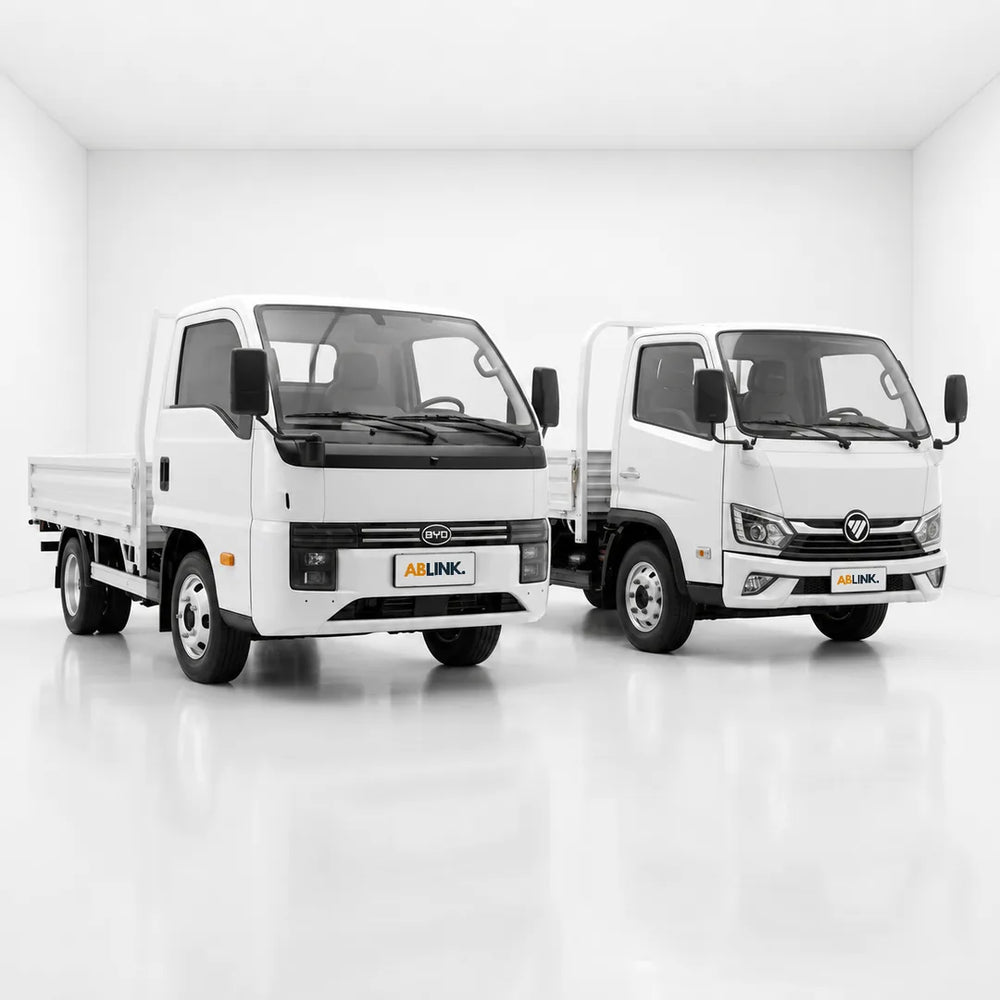
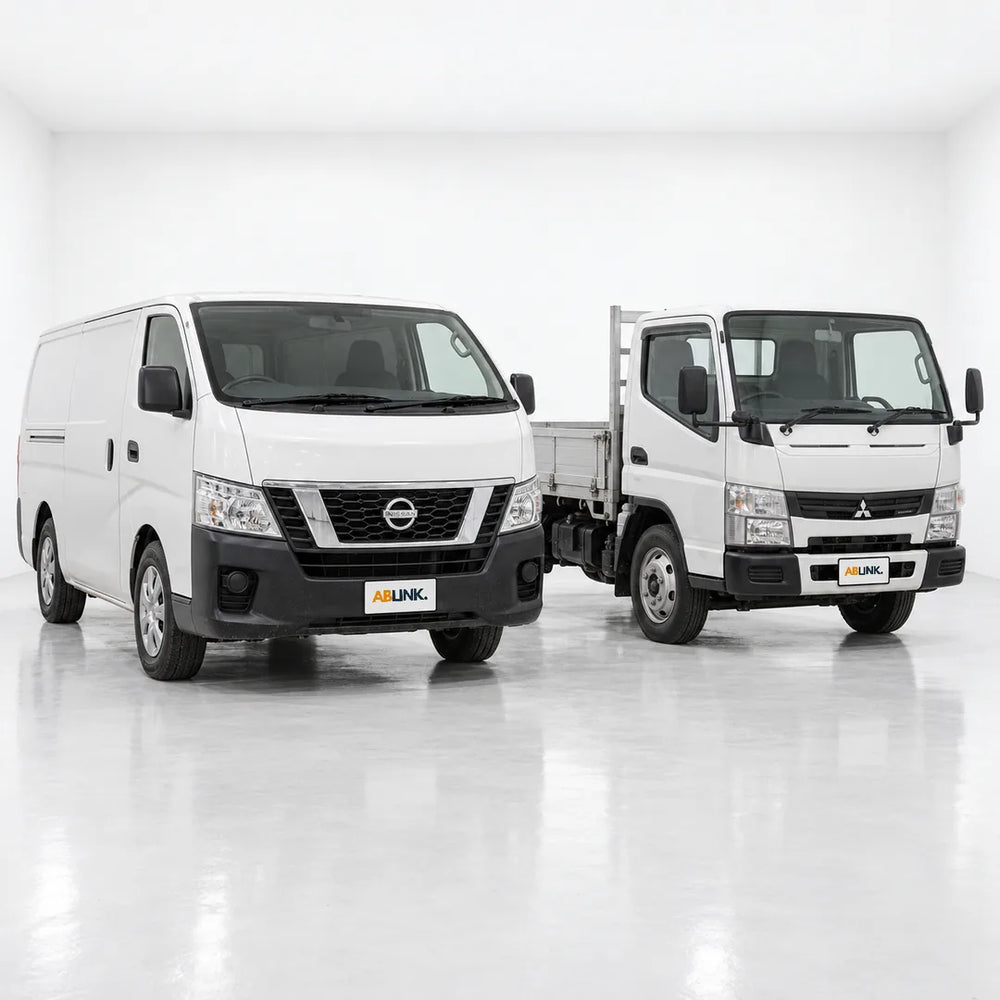
Your delivery truck sits idle on Monday morning. Your Class 4 driver called in sick — again.
This one moment captures the single biggest operational problem for Singapore SMEs in 2026. Finding a reliable, affordable Class 4 licensed driver has become genuinely difficult. MOM foreign worker quotas continue to tighten. CDC and SSDC driving test waiting times stretch across months. Meanwhile, your competitors are moving faster, delivering more, and spending less on driver overheads.
The obvious answer seems straightforward. Build your entire fleet around vehicles that Class 3 drivers — Singapore's most common and most available licence class — can operate legally. However, executing this strategy without a precise understanding of LTA's unladen weight rules is where Singapore businesses get burned badly.
This is not a theoretical risk. Assigning a Class 3 driver to a vehicle that has crossed into Class 4 territory voids your commercial insurance instantly. One accident, and your company absorbs full legal and financial liability. Traffic Police penalties under the Road Traffic Act can reach significant levels — always verify current figures directly with SPF or a qualified legal advisor before taking action.
In this 2026 guide, the Ablink.sg fleet specialists break down every regulation you need to understand. We cover the 2,500kg unladen weight threshold, the dangerous hidden weight modification traps that catch experienced fleet managers off-guard, and Singapore's newer EV exemption order that creates a genuine competitive opening for businesses willing to move early.
Regulatory Disclaimer: All regulatory information in this article is presented for general educational purposes. Regulations are subject to amendment. Always verify current requirements directly with the Singapore Police Force (SPF) or LTA OneMotoring before making any purchasing or operational decisions. Consult a qualified legal advisor for specific compliance guidance.
Understanding the Core Rule: What Class 3 Actually Means
Many fleet managers assume Class 3 simply means "small vehicle." That assumption is imprecise, and imprecision in fleet compliance is expensive.
Under Rule 19(e)(ii) of the Road Traffic (Motor Vehicles, Driving Licences) Rules, Class 3 and Class 3A licence holders may operate light goods vehicles (LGVs) and small buses with an Unladen Weight (ULW) not exceeding 2,500kg. Vehicles exceeding this threshold require a Class 4 or Class 4P driving licence. This rule is clearly stated in the SPF's December 2025 announcement on revised driving licence requirements.
Three terms are critical here, and confusing them causes real compliance exposure.
Unladen Weight (ULW) is the weight of the vehicle itself — empty, no cargo, no driver, no passengers. This figure appears on your vehicle's LTA log card. LTA and Traffic Police use ULW to classify licence requirements. This is the number that matters for Class 3 eligibility.
Maximum Laden Weight (MLW) is the maximum permitted total weight of the vehicle plus its full cargo load. MLW determines overloading compliance and road suitability. However, MLW does not determine your licence class requirement.
Gross Vehicle Weight (GVW) is sometimes used informally alongside MLW. For compliance purposes, always reference the official ULW on the LTA log card — not GVW figures from brochures or third-party sources.
This distinction creates real-world confusion. A 10ft lorry with an MLW of 4,500kg sounds like a Class 4 vehicle. However, if its log card ULW is 2,100kg, it is legally Class 3. Conversely — and this is the dangerous scenario — a lorry starts its life at 2,000kg ULW, then crosses into Class 4 territory after the buyer adds modifications. The vehicle looks identical. The legal status has fundamentally changed.
For a comprehensive side-by-side breakdown of both licence classes, including driver requirements and operational implications, read Ablink.sg's dedicated guide: Class 3 vs Class 4 License Singapore: Commercial Fleet Guide.
The Hidden Weight Trap: How a Legal Lorry Becomes Illegal Overnight
This is the section that saves businesses from expensive, avoidable mistakes. Read it carefully before your next vehicle purchase or modification decision.
A standard 10ft lorry chassis — such as a Toyota Dyna, Isuzu NLR, or Nissan Cabstar — leaves the factory with a ULW typically in the range of 1,800kg to 2,100kg. These figures sit comfortably below the 2,500kg Class 3 threshold. Your Class 3 driver can operate the vehicle legally.
However, SMEs routinely customise lorries to improve operational efficiency. Each modification adds weight. In almost every case, no one adds up the cumulative total before the vehicle returns to the road.
Here is a realistic example of how a compliant Class 3 lorry crosses the legal line:
| Modification Stage | Estimated Weight Added | Cumulative ULW (Typical) |
|---|---|---|
| Base 10ft lorry chassis (e.g., Isuzu NLR) | — | ~1,950 kg ✅ Class 3 |
| + Full steel box canopy | +250–300 kg | ~2,200–2,250 kg ✅ Class 3 |
| + Steel chequer plate flooring | +100–150 kg | ~2,300–2,400 kg ✅ Class 3 |
| + Hydraulic power tailgate | +280–400 kg | ~2,580–2,800 kg ❌ Class 4 Required |
Important: The weight figures in this table represent typical market ranges based on common configurations, not regulated specifications. Actual weights vary significantly by manufacturer, model, and build quality. Always request the exact weight of each modification from your supplier and verify the post-modification ULW through an official LTA inspection before assigning any driver.
The hydraulic power tailgate is the most common trigger. It is also one of the most frequently requested accessories for businesses in construction supply, F&B delivery, and retail logistics. Yet it is also the modification most likely to push a vehicle from Class 3 into Class 4 without the owner realising until something goes wrong.
The solution is not to avoid tailgates entirely. Instead, it is to make smarter specification decisions before purchase — not after.
These weight-reduction approaches are worth evaluating with your dealer:
- Aluminium canopy construction instead of steel: meaningfully lighter, comparable structural integrity for most cargo types
- Canvas dropsides instead of fully enclosed steel box: significantly reduces added weight for open-load applications
- Manual loading ramp instead of hydraulic tailgate: eliminates the heaviest single addition for businesses where manual loading is operationally feasible
- Lower-capacity hydraulic unit if a tailgate is essential: lighter units rated for smaller loads add less dead weight than industrial-grade alternatives
The right combination can deliver the operational functionality your business needs while keeping the ULW comfortably below 2,500kg. However, this planning must happen at the specification stage — not after the bodywork is complete.
The one step that protects you legally: After any modification, submit the vehicle for an LTA inspection to update the log card ULW before returning it to your Class 3 driver pool. This is a legal requirement in Singapore, not optional best practice. Operating an uninspected modified vehicle creates insurance gaps and personal legal exposure for the business owner.
The Ablink.sg fleet team advises buyers on modification configurations before purchase, specifically to prevent this scenario. Contact Ablink.sg to discuss your specific operational requirements.
Best Vehicle Categories for Class 3 Operations in Singapore
With the compliance framework clearly understood, here is how the main vehicle categories perform for Class 3 fleet operators.
High-Roof Cargo Vans: Maximum Volume with Zero Modification Risk
High-roof cargo vans represent the safest, most operationally straightforward choice for Class 3 fleets. Factory ULW figures for this category sit reliably between 1,800kg and 2,200kg. There is minimal modification risk because the enclosed cargo area is designed and built by the manufacturer — it is not a post-sale steel structure added at a bodywork shop.
The operational case is strong. Full weather protection keeps cargo dry without additional canopy investment. Internal cargo height of 1.9m to 2.1m allows standing-height loading and maximises cubic volume. Many models are also compatible with HDB multi-storey carparks (MSCPs) due to lower overall roof heights compared to lorries with aftermarket steel canopies.
Well-established models in this category in the Singapore commercial market include the Toyota Hiace High-Roof Cargo and the Nissan NV350. Both have decades of commercial service history in Singapore and mature workshop support networks. For a detailed head-to-head evaluation of both models, see Ablink.sg's comparison guide: Toyota Hiace vs Nissan NV350: Singapore Commercial Van Guide 2026.
For businesses managing e-commerce delivery, F&B distribution, pharmaceutical logistics, or equipment transport, the high-roof van typically delivers the best Class 3 payload-to-compliance ratio available.
10ft Lorries (Correctly Specified): The High-Payload Class 3 Option
The 10ft lorry is Singapore's most widely deployed commercial vehicle category — and when specified correctly, it remains fully Class 3 compliant while handling loads that cargo vans cannot accommodate.
The phrase "correctly specified" does the important work here. As the modification table above demonstrates, a standard 10ft chassis can easily drift into Class 4 territory with the wrong combination of bodywork additions.
For Class 3 compliance, the recommended configuration approach prioritises:
- Chassis selection from models with confirmed lower base ULW figures (discuss specific models and their current log card ULW with Ablink.sg directly)
- Aluminium canopy construction over steel where enclosed cargo protection is needed
- Standard plywood or lightweight aluminium chequer plate flooring rather than heavy steel variants
- If a tailgate is operationally necessary: verify the specific unit's weight and confirm cumulative post-modification ULW with an LTA inspection before operation
This configuration can deliver genuine commercial payload capacity — typically in the range of 1,200kg to 1,500kg of cargo — while maintaining full Class 3 compliance.
For full 10ft and 14ft lorry specifications, indicative 2026 pricing, and COE cost breakdowns, see Ablink.sg's lorry guides: Lorry Size Singapore: 10ft, 14ft, 24ft Complete Guide 2026 and Pickup Lorry Singapore: 2026 Price & Buying Guide.
14ft Lorries: A Commonly Misunderstood Category
Many fleet buyers assume 14ft lorries automatically fall under Class 4. This is not universally accurate.
Some 14ft lorry configurations — particularly those using aluminium bodies on lighter chassis — maintain ULW figures below 2,500kg and qualify for Class 3 operation. However, this is highly configuration-specific. Never assume a 14ft lorry's licence class from its length alone. Always verify the log card ULW for the specific unit before assigning a Class 3 driver.
The Ablink.sg team can confirm whether specific 14ft configurations in the current inventory qualify for Class 3 operation. See also Ablink.sg's dedicated guide: 14ft Lorry Singapore 2026: Complete Buying Guide.
Singapore's EV Class 3 Rule: What Changed, and When
This section covers one of the most practically significant regulatory developments for Singapore's commercial fleet operators in recent years. It also represents a genuine business opportunity for SMEs that plan ahead.
Why Electric Commercial Vehicles Were a Compliance Problem
Electric vans and lorries entered Singapore's commercial market with a structural disadvantage for Class 3 operators. As Traffic Police confirmed in their December 2025 announcement, electric LGVs are typically 400–500kg heavier than equivalent ICE models — primarily due to battery packs mounted beneath the vehicle floor.
This weight premium pushed most commercial EVs above the 2,500kg ULW threshold, automatically classifying them as Class 4 vehicles regardless of their physical dimensions or real-world handling characteristics. For SMEs with driver pools holding predominantly Class 3 licences, this made EV adoption operationally impractical. The cost of hiring additional Class 4 drivers specifically for EV operation erased the fuel and maintenance savings that made EVs financially attractive.
The Exemption Order: What Traffic Police Announced
On 12 December 2025, Traffic Police announced a formal Exemption Order effective from 15 December 2025. Under that order, Class 3 and Class 3A licence holders were permitted to operate specific approved electric LGVs and electric small buses with a ULW between 2,501kg and 3,000kg — without requiring any additional licence endorsement, test, or application.
Traffic Police's own technical assessment supports the safety rationale. Despite the additional battery weight, the fundamental handling characteristics of electric LGVs — steering response, turning radius, wheelbase, and physical dimensions — are substantially similar to the ICE vehicles Class 3 holders already operate. Battery placement beneath the vehicle floor also creates a lower centre of gravity, which can improve stability.
The Four Models Under the Original Interim Order
According to multiple Singapore automotive publications including AutoApp and Roads.sg, four electric vehicle models were identified under the initial Exemption Order:
- Higer H5C High Roof (electric LGV)
- Mercedes-Benz eSprinter 320 (electric LGV)
- Ford F-150 Lightning (electric LGV/pickup)
- Joylong EA5 (electric small bus)
Critical Note on Model Verification: These four models are reported by automotive media based on the Exemption Order. The SPF's public-facing press release confirms that specific approved models are covered under the order but does not enumerate them in its publicly accessible HTML version. That model list mattered only during the interim stage. Since 15 June 2026 the allowance covers all electric LGVs and electric small buses up to 3,000kg ULW, so what you verify before purchase is the registered unladen weight on the log card, not membership of a list.
What Replaced It on 15 June 2026
The December 2025 Exemption Order was explicitly described by Traffic Police as an interim measure, and it has since been superseded. Full legislative amendments — planned for 2026 — have since landed. From 15 June 2026, Traffic Police extended the allowance to all electric light goods vehicles and electric small buses with a ULW not exceeding 3,000kg, rather than a model-specific exemption list (Singapore Police Force, 2026).
That interim stage has now ended. The 3,000kg ULW allowance now applies to every electric LGV and electric small bus, not only to models on the old approval list — the change is confined to electric vehicles (Singapore Police Force, 2026).
ICE vehicles — petrol, diesel, or CNG — remain subject to the 2,500kg ULW limit for Class 3 with no exceptions.
For a complete breakdown of the EV exemption, CVES rebates, and the buying strategy for electric commercial vehicles in Singapore, see Ablink.sg's dedicated guide: Singapore Class 3 EV Weight Limit: Complete 2025–2026 Guide.
Fleet Compliance: 5 Steps to Zero-Risk Class 3 Operations
Running a compliant Class 3 fleet is not complicated. However, it requires consistent attention to five specific areas. Skipping any one of them is where legal exposure enters.
Step 1: Verify ULW on the Log Card Before Driver Assignment
Every time a vehicle joins or rejoins your operational fleet, check the LTA log card. Confirm the ULW figure. Do not rely on the purchase specification sheet, a previous owner's verbal confirmation, or your own memory of what the vehicle weighed at time of purchase. Modifications may have been made. Log card figures are the only legally authoritative reference.
Step 2: Plan Modifications Before Purchase, Not After
Before signing any purchase agreement or authorising bodywork, discuss your full modification requirements — canopy type, flooring material, tailgate specification — with the selling dealer. Request a written estimate of each accessory's weight contribution and a confirmed cumulative ULW estimate. A good dealer will walk through this with you. If they cannot or will not, that itself is useful information.
Step 3: Submit for LTA Inspection After Every Structural Modification
This is a legal requirement in Singapore, not a recommendation. After any structural modification to a commercial vehicle, submit it for LTA inspection to update the log card before returning the vehicle to operation. An uninspected modified vehicle creates insurance gaps and personal legal exposure.
Step 4: Maintain a Driver–Vehicle Register
Keep an updated register of your drivers and their licence classes. Cross-reference it against your vehicle register with ULW figures and assigned licence class for each vehicle. Flag any mismatch immediately. This register also protects you if LTA or your insurance company conducts an audit.
Step 5: Verify EV Model Status Before Purchase
If you are evaluating electric commercial vehicles for your Class 3 driver pool, confirm two things on the log card before committing: that the vehicle is registered as electric, and that its unladen weight does not exceed 3,000kg. Since 15 June 2026 there is no approved-model list to check against.
For businesses evaluating leasing as an alternative to outright purchase — particularly for managing regulatory transitions cost-efficiently — see Ablink.sg's guide: Commercial Vehicle Leasing Singapore: Your 2025–2026 Fleet Strategy.
Frequently Asked Questions
What is the unladen weight limit for a Class 3 licence in Singapore?
Under Rule 19(e)(ii) of the Road Traffic (Motor Vehicles, Driving Licences) Rules, Class 3 and Class 3A holders may operate light goods vehicles and small buses with an Unladen Weight (ULW) not exceeding 2,500kg. Vehicles above this threshold require a Class 4 or Class 4P licence. This applies to all ICE vehicles regardless of fuel type.
Can a Class 3A driver operate the same commercial vehicles as a Class 3 driver?
Yes, with one distinction. Class 3A carries the same 2,500kg ULW limit as Class 3. However, Class 3A is restricted to automatic transmission vehicles. Most modern commercial vans and lorries are automatic, so Class 3A holders are operationally effective in the majority of Singapore logistics roles.
My lorry has a GVW of 4,500kg. Does that automatically require Class 4?
No. GVW (or MLW) reflects the vehicle's total loaded weight. LTA assigns licence class based on Unladen Weight (ULW) — the vehicle's weight when empty. Check the log card ULW. If it is 2,500kg or below, Class 3 applies regardless of the GVW.
Can I drive any electric van under 3,000kg on a Class 3 licence?
Since 15 June 2026, yes, provided the vehicle is genuinely electric and its registered unladen weight does not exceed 3,000kg. Traffic Police extended the allowance from a short list of approved models to all electric light goods vehicles and electric small buses at that threshold (Singapore Police Force, 2026). Two cautions still apply: the vehicle must be electric, and the figure that counts is the ULW on the LTA log card after any bodywork has been fitted. A non-electric vehicle above 2,500kg ULW still requires Class 4.
Do I need to update my driving licence to drive these electric models?
No. The allowance applies automatically to all existing Class 3 and Class 3A holders, and no additional test, endorsement or application is required. Since 15 June 2026 you no longer need to check the vehicle against an approved-model list either. What you must confirm is that the vehicle is electric and that its registered unladen weight does not exceed 3,000kg.
My lorry's ULW was under 2,500kg when I bought it. I added a steel canopy. Is it still Class 3?
It depends on the canopy's weight and the post-modification cumulative ULW. You must submit the vehicle for an LTA inspection to update the log card after structural modifications. The updated log card ULW is the only legally definitive answer. If it now exceeds 2,500kg, the vehicle requires a Class 4 driver.
Where do I verify a vehicle's official ULW?
The LTA-issued log card is the authoritative document. You can also check vehicle information through the LTA OneMotoring portal. Always verify the log card ULW after modifications — pre-modification specifications are not legally sufficient.
Build Your Compliant Class 3 Fleet with Ablink.sg
Understanding these regulations clearly is the starting point. Building a fleet that applies them correctly — across multiple vehicle types, modification configurations, and the evolving EV landscape — is where Ablink.sg's fleet specialists add practical value.
Our team walks buyers through ULW implications before purchase, advises on modification specifications that maintain Class 3 compliance, and guides businesses through LTA registration and inspection processes. For SMEs exploring the commercial EV transition, we work through the current 3,000kg ULW rule and what it means for your existing driver pool.
There is no reason to guess at compliance. One wrong specification decision can cost your business multiples of the vehicle's purchase price in fines, liability, and lost operating days.
Talk to an Ablink.sg Fleet Specialist — and build your fleet correctly from day one.
This article was last reviewed on 2 September 2026 and reflects regulations as understood at that date. LTA and Traffic Police regulations are subject to amendment without notice. All regulatory references should be verified directly with SPF and LTA before operational or purchasing decisions. Penalty figures referenced in general terms reflect provisions of the Road Traffic Act and may vary by case; always consult a qualified legal advisor for specific guidance. Insurance policy terms vary by provider; always review your commercial vehicle insurance policy for specific licence class requirements.
Buy a Class 3 Commercial Vehicle in Singapore
ABLINK provides pre-purchase weight compliance checks on every vehicle — so you never discover a Class 4 problem after delivery. Full range: Toyota Hiace, Honda N-Van, Nissan NV350, and Class 3 EVs with grant support.