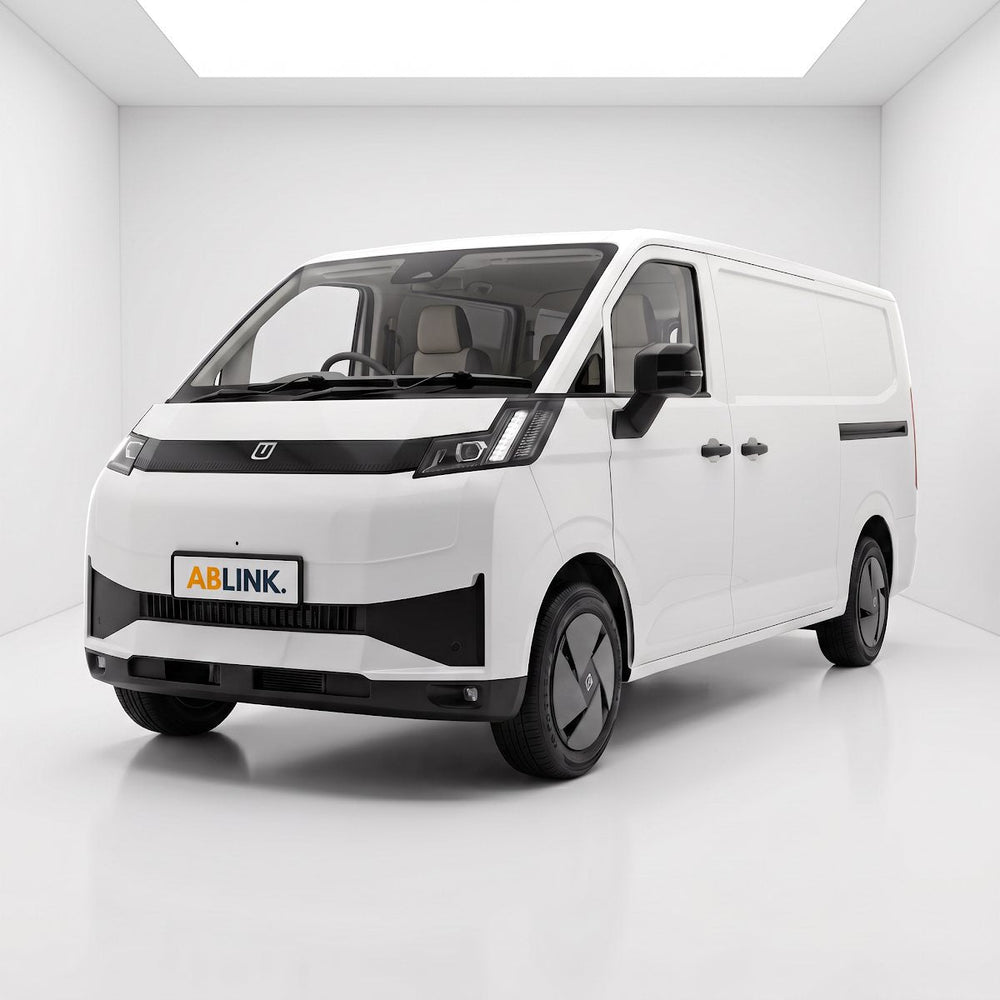
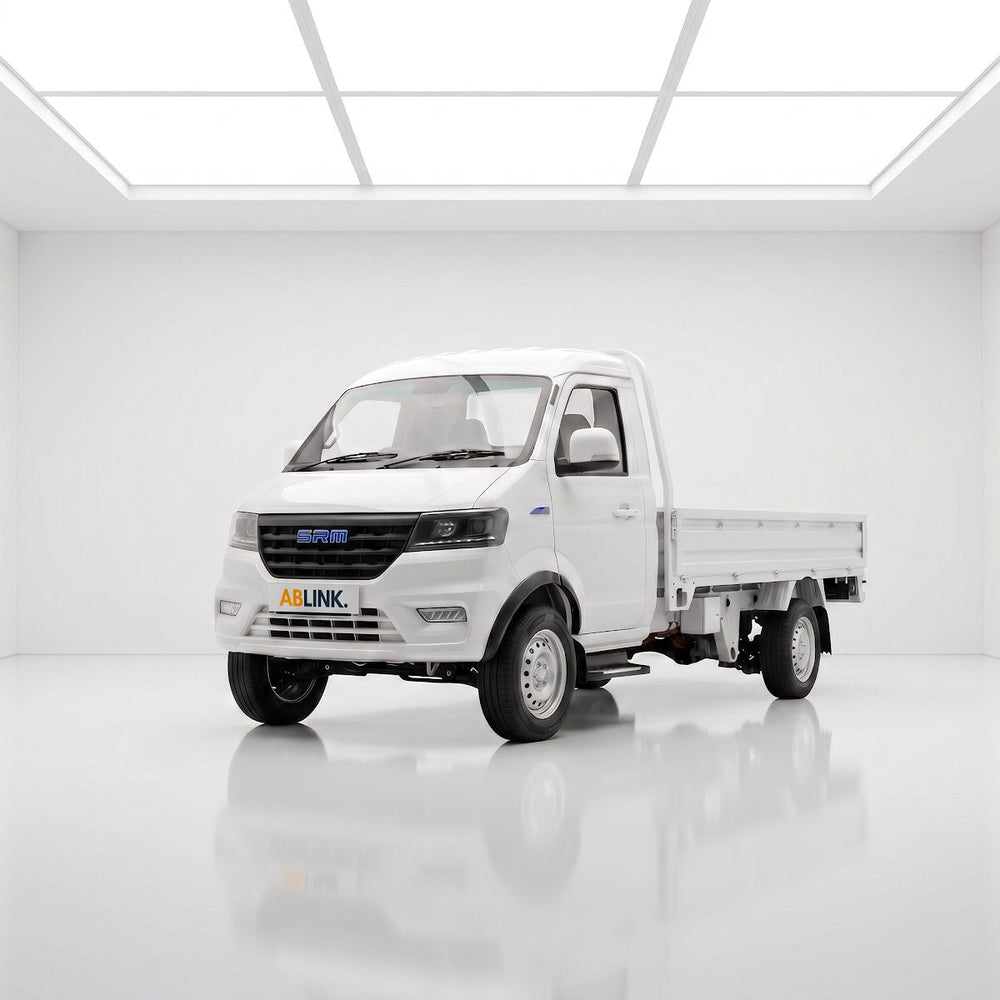
Van insurance Singapore and lorry insurance Singapore are the same product family: a commercial vehicle policy priced on your vehicle, your drivers, what you carry and what you use the vehicle for. Every vehicle on Singapore roads must at least cover third-party liability for death and bodily injury. The premium is only half the story. A claim can fail on a single missing declaration.
Key takeaways
There is no published standard price for van or lorry insurance. Your quote depends on vehicle value, drivers, claims history, excess and declared use.
Six things can sink a claim, and most are decided before the accident: an undeclared modification, a driver on the wrong licence class, cargo the motor policy never covered, use outside the "Limitations as to Use" on your certificate, late reporting, and non-disclosure.
Electric vans follow a different licence line: since 15 June 2026, Class 3 holders may drive electric light goods vehicles up to 3,000kg unladen weight, while diesel vans stay at 2,500kg.
Report every accident to your insurer within 24 hours or by the next working day, even when there is no visible damage (GIA Motor Claims Framework).
If your business depends on a van, lorry, or truck in Singapore, motor insurance is not just "paperwork"—it is part of keeping operations running. This guide explains commercial vehicle insurance Singapore in simple English: what the common coverage types mean, what usually affects pricing, what to check before you buy, and how to handle renewal and claims with less downtime.
If you want to take action quickly (quote, renew, switch, or fleet enquiry), use ABLINK motor insurance Singapore here: commercial vehicle insurance Singapore quote (ABLINK Motor Insurance)
1) What "commercial vehicle insurance" means for Singapore SMEs
People search different phrases—lorry insurance Singapore, van insurance Singapore business, goods vehicle insurance Singapore, truck insurance Singapore—but the goal is the same: protect a work vehicle that generates revenue.
Commercial vehicle insurance is designed for business usage patterns like:
Delivery and last-mile operations.
Tools/equipment transport for contractors.
Service routes (repair teams, cleaning teams, maintenance teams).
Logistics and moving operations.
Fleet operations (multiple vehicles under the same business).
Why this matters more for a business than for a personal car
A commercial vehicle is exposed to higher real-world risk:
More mileage and more hours on the road.
More time in loading bays, industrial zones, tight parking areas, and worksites.
More drivers (owner-driver + staff drivers + relief drivers).
When something happens, the cost is not only repair. It can include:
Lost revenue from missed deliveries/jobs.
Replacement vehicle rental.
Admin time managing reporting, workshops, and documentation.
Third-party liability (often the biggest financial exposure).
A good policy is not "the cheapest policy." A good policy is the one that fits your actual operations and helps you recover quickly when incidents happen.
Is van insurance Singapore cover different from lorry insurance?
In structure, no. A panel van, a 10ft lorry and a 14ft lorry are normally insured under a commercial vehicle policy built the same way: cover for the vehicle itself, cover for your liability to other people, and conditions that decide who may drive and for what purpose. Sompo's published commercial vehicle wording is a good example. It opens with "Section I – Insurance on The Motor Vehicle", follows with third-party liability, and states that the authorised driver and the "Limitations as to use" are "As described in the Certificate of Insurance" (Sompo commercial vehicle policy wording).
What changes between a van and a lorry is the information the insurer prices, and the traps around it. Three things matter most:
Unladen weight. It decides which licence class your drivers need, and an unlicensed driver is not an authorised driver.
The load. Lorries carry more, and the goods themselves usually sit outside the motor policy.
The use. Carrying your own goods, carrying other people's goods for a fee and towing for reward are different risks, and your certificate says which one you bought.
Each of these comes back in the sections below, because each one can decide whether a claim is paid.
Van vs 10ft lorry vs 14ft lorry vs EV van: what moves the premium?
No insurer publishes a standard premium for any of these vehicles, so this guide does not quote one. What we can show is what an underwriter looks at for each vehicle type, and the claim trap that belongs to it.
| Vehicle type | What the insurer asks about | What tends to move the premium | Claim trap to check first |
|---|---|---|---|
| Panel van / big van (diesel) | Declared business use, named or authorised drivers, racking, shelving or other fit-out | Vehicle value, number and experience of drivers, claims history, excess level | A fit-out added after the policy started and never declared to the insurer |
| 10ft lorry | Unladen weight, canopy or tailgate, goods carried, delivery pattern | Vehicle value, usage and routes, driver profile, claims history | A canopy added mid-policy (LTA uses exactly this example) and a driver on a Class 3 licence when the unladen weight is above 2,500kg |
| 14ft–17ft heavy vehicle | Driver licence class, load, loading bays and worksites | Vehicle value, usage, driver profile, third-party exposure | Assuming the motor policy covers the cargo; third-party property cover in published wordings excludes property "being conveyed by the Motor Vehicle" |
| Electric van | Valuation of the vehicle and key components, approved repairers, unladen weight | Vehicle value and repair economics | A Class 3 driver is allowed up to 3,000kg only because the van is fully electric; a diesel van at the same weight needs Class 4 |
The premium drivers in the table are the same factors listed in the pricing section below. The claim traps come from LTA, the Traffic Police and published policy wordings, each linked where it is explained.
If you are still choosing the vehicle, get the insurance quote on the actual unit before you commit. You can browse diesel big vans, 10ft diesel lorries, 14ft–17ft heavy vehicles and electric vans on the ABLINK marketplace, then ask for a quote on the one you shortlist.
What can void a van or lorry insurance claim in Singapore?
Most of the ways a commercial vehicle claim goes wrong are decided before the accident, at the point of declaration. These are the six to check on every van and lorry you run.
1. An undeclared modification (canopy, tailgate, racking, fit-out)
LTA's OneMotoring tells owners to update their insurer and seek advice if they modify the vehicle, and its own example is "if you add a canopy to your lorry" (LTA motor insurance guidance).
On its vehicle modification page, LTA adds that the General Insurance Association of Singapore advises you to notify your motor insurer, and "If you fail to do so, your claims may be declined in the event of an accident, and the motor insurance policy considered void" (LTA vehicle modification guidance). The same page warns that illegal modification is itself an offence, with fines and possible imprisonment.
2. A driver whose licence class does not match the vehicle
Etiqa's commercial vehicle wording defines an Authorised Driver as "any person holding a valid and relevant class of driving licence" who has your permission to drive. Sompo's wording excludes accidents while the vehicle is driven by anyone other than an authorised driver described in the certificate. So the licence class is a claims issue, not just a traffic one.
The line is unladen weight. The Traffic Police set it out plainly: Class 3 and 3A holders may drive motor tractors and other motor vehicles of unladen weight up to 2,500kg. From 15 June 2026, that ceiling rose to 3,000kg for all electric light goods vehicles, but it stays at 2,500kg for diesel and petrol goods vehicles, and anything heavier needs a Class 4 or 4P licence (SPF licence announcement).
A new hire on a Class 3 licence driving a diesel lorry above 2,500kg unladen is the classic mismatch. Our Class 3 vs Class 4 licence guide explains which vans and lorries fall on each side of the line.
3. Assuming the motor policy covers the goods you carry
It usually does not. In both Sompo's and Etiqa's published commercial vehicle wordings, third-party property cover excludes property "being conveyed by the Motor Vehicle". Sompo's wording also excludes injury or damage "beyond the limits of any carriageway or thoroughfare" while bringing the load to the vehicle for loading or taking it away after unloading. If the cargo is valuable, or you carry customers' goods, ask separately about goods-in-transit cover. Do not assume the motor policy stretches to it.
4. Using the vehicle outside its declared purpose
Your certificate of insurance carries a "Limitations as to Use". Sompo's wording excludes any accident while the vehicle is "being used otherwise than in accordance with the Limitations as to Use described in the Certificate of Insurance". The GIA has explained the consequence in the private-car context: when a vehicle is used for "hire or reward" that the policy does not allow, the insurer is entitled to void the policy for breach of warranty, and the policyholder can be denied indemnity (GIA statement on limitation to use).
The same logic applies to a van insured for your own goods that starts delivering other people's goods for a fee. LTA also asks owners to update their insurer if they change the vehicle's purpose. If you are setting up a delivery operation from scratch, our guide to starting a delivery business in Singapore covers the vehicle and licensing side.
5. Reporting the accident late
Under the industry's Motor Claims Framework, every accident must be reported to your insurer within 24 hours or by the next working day, "no matter how trivial or even if there is no visible damage".
If you miss that window, the GIA brochure says your insurer may repudiate liability, your NCD will be docked at renewal, and the insurer may cancel or decline to renew your policy (GIA Motor Claims Framework brochure). For a fleet, this is a process issue: make sure every driver knows who to call.
6. Not disclosing what you know
Commercial vehicle policies open with a statement under Section 25(5) of the Insurance Act: you must disclose "fully and faithfully the facts you know or ought to know", otherwise you "may not receive any benefits" from the policy (Sompo wording). Driver history, previous claims and the real use of the vehicle all belong in the proposal.
Who pays if a third party is injured and my policy does not respond?
This is the part most SME owners never hear about. According to the GIA, even when an insurer denies indemnity to its own policyholder, the Motor Vehicles (Third-Party Risks and Compensation) Act does not let it deny compensation to people injured by the vehicle.
But another provision of the same Act (Section 8(3) in the version the GIA quotes) lets the insurer recover what it paid from the policyholder. Commercial wordings carry this as a condition called "Avoidance of Certain Terms and Right of Recovery". Sompo's version says the insured "shall repay to the Company all sums paid by the Company which the Company would not have been liable to pay but for the Legislation".
In plain terms: the victim gets paid, and then the bill can come to your business. As the GIA notes, injury claims tend to be substantial, which is why the declaration gaps above matter far more than a small saving on premium.
What can I do if my van or lorry insurance claim is rejected?
Start with the insurer's own complaints process, and ask for the policy clause relied on in writing.
If you are still in dispute, check whether your case falls within the Financial Industry Disputes Resolution Centre's terms of reference. FIDReC describes itself as an independent and impartial dispute resolution institution for disputes between consumers and financial institutions. Filing is free of charge, and adjudication carries a per-claim limit, so check the current figure on its site (FIDReC).
If you buy through an authorised agent, bring them in early. ABLINK's motor insurance page says it manages "the full process — from renewal reminders to claim submissions".
2) The 3 coverage types: Third-Party vs TPFT vs Comprehensive (plain English)
Most commercial motor insurance discussions in Singapore fall into three broad coverage levels. Terms differ by insurer, but the structure is usually similar.
A) Third-Party Only (TPO)
This is the most basic form of cover.
Covers your legal liability to others if you cause an accident.
Typically focuses on third-party bodily injury/death, and may include third-party property damage depending on plan wording.
What it does not do:
It does not cover damage to your own van/lorry/truck.
Who it fits best:
Very old vehicles with low value, where you are intentionally self-insuring your own damage risk.
Businesses that can absorb vehicle repair/replacement cost without hurting cashflow (rare).
B) Third-Party, Fire & Theft (TPFT)
This is a middle tier:
Includes third-party liability.
Adds protection if your vehicle is stolen or damaged by fire (policy terms vary).
What to confirm:
Whether your own accident damage is covered (often it is not in TPFT).
Any conditions around theft and security requirements.
Who it fits best:
Older vehicles where comprehensive feels too expensive, but you still want protection from major events like theft/fire.
C) Comprehensive
This is the broadest common tier:
Includes third-party liability.
Adds cover for your own vehicle damage in accidents (including certain at-fault scenarios, depending on wording).
Often allows add-ons such as windscreen cover, towing, and other benefits (varies by insurer).
Who it fits best:
Most revenue-critical vehicles: delivery vans, service vans, lorries used daily, and most fleet operations.
If you want a fast start, use: comprehensive commercial vehicle insurance Singapore options (ABLINK Motor Insurance)
3) The business-owner checklist: what to check before you buy (or renew)
Many SME owners compare only premium. The smarter approach is to compare:
what is covered,
how claims are handled, and
what you must pay out-of-pocket (excess).
1) Own vehicle coverage (your vehicle damage)
If you are buying comprehensive cover, confirm what is included and what is optional:
Accident damage to your vehicle (own damage).
Fire and theft.
Flood / water damage (important in heavy rain seasons).
Windscreen cover (common for high-mileage vans and lorries).
Do not assume "comprehensive" automatically includes everything. Two comprehensive plans can be very different.
2) Third-party liability coverage
Third-party liability is often the most serious risk because it can become expensive quickly. Confirm:
Third-party bodily injury and death coverage.
Third-party property damage coverage.
Any sub-limits, exclusions, and conditions.
3) Excess (deductible)
Excess is what you pay first in a claim.
A policy can look cheap until you realise:
the excess is high, or
there are different excess levels for different driver profiles (for example, higher excess for younger/inexperienced drivers—depends on insurer).
When evaluating "cheap" plans, ask yourself:
"If an accident happens next week, can my business comfortably pay the excess in cash?"
4) Driver rules (named vs authorised drivers)
This is where many SME policies don't match reality.
Ask:
Is it named-driver only, or "any authorised driver"?
How to add or remove drivers (new hires, staff resignations)?
Are part-time or relief drivers allowed?
If your driver situation changes often, choose a structure that won't create claim friction later.
5) Business use description (be accurate)
Declare what you actually do:
Delivery services.
Contractor tools/equipment.
Worksite operations.
Refrigerated transport (if relevant).
Under-declaring or mis-declaring usage is one of the easiest ways to create future disputes.
6) Where the vehicle operates (Singapore only vs cross-border)
If your work involves travel to West Malaysia:
declare it upfront,
confirm whether coverage applies cross-border,
and understand any extra steps or documentation needed.
Never assume cross-border is automatically covered.
4) Choosing the right coverage: practical decision rules (by scenario)
Below are simple, low-confusion rules that work well for Singapore SMEs.
Scenario A: Delivery vans (last-mile, parcels, F&B)
Your risk profile:
frequent stops,
lots of urban driving,
tight timelines,
high downtime cost.
Practical choice:
comprehensive is often the most business-friendly option, because it reduces repair cash shock and helps you recover faster operationally.
If you are still deciding which vehicle to buy, plan cost properly (purchase + operating costs + insurance):
how to buy commercial vehicle Singapore (ABLINK buying guide)
commercial vehicle financing Singapore (ABLINK financing guide)
Scenario B: Contractors and construction support lorries
Your risk profile:
worksites,
loading bays,
property damage risk,
vehicle is often essential to get jobs done.
Practical choice:
comprehensive (or a strong policy structure) is usually worth it if the vehicle is key to revenue.
pay attention to third-party property damage coverage and driver rules.
Scenario C: Older vehicle that you may replace soon
Your decision is about economics and downtime.
Practical choices:
TPFT can work if the vehicle value is low and you mainly want theft/fire protection plus third-party cover.
comprehensive can still make sense if downtime would severely hurt the business (even if the vehicle is older).
Don't choose only by age—choose by business impact.
Scenario D: Fleet operators (multiple vehicles)
Your biggest pain is usually admin + consistency:
multiple renewal dates,
driver allocation changes,
repeated documentation,
inconsistent claims workflow.
Practical choice:
explore fleet insurance Singapore structures that consolidate renewal and administration.
ask about fleet discounts and how driver coverage is structured.
Start here: fleet insurance Singapore SME quote (ABLINK Motor Insurance)
5) Commercial vehicle insurance cost Singapore: what affects pricing (no guessing numbers)
It's normal to search:
commercial vehicle insurance cost Singapore
lorry insurance cost Singapore per year
truck insurance Singapore price
cheapest commercial vehicle insurance Singapore
commercial vehicle insurance comparison Singapore
But there is no single "standard price" that is always correct. Commercial insurance pricing is usually personalised, based on your vehicle and operations.
Common factors that influence premium include:
Vehicle-related factors
Vehicle type (van vs lorry vs truck).
Vehicle value and sum insured.
Vehicle age and repair economics.
Usage-related factors
Estimated mileage and hours on road.
Urban delivery vs industrial routes vs worksites.
Nature of goods carried (if relevant).
Driver-related factors
Number of drivers.
Driver experience profile.
Claims history.
Policy design factors
Coverage tier (TPO vs TPFT vs comprehensive).
Add-ons (windscreen, towing, etc.).
Excess level (higher excess can reduce premium, but increases out-of-pocket cost).
Fleet-related factors
Fleet size and structure.
Claims history across the fleet.
Administration requirements and renewal structure.
If you want a real number that matches your actual operations, the safest approach is to request an official quotation based on your vehicle type, usage, and driver setup:
How much is commercial van insurance in Singapore?
The honest answer is: whatever your quote says, and no two quotes are built the same way. We have not found a primary source (LTA, GIA or an insurer) that publishes a standard price for van insurance in Singapore, so any single figure you see quoted without a source is a guess. What you can control is the set of terms that change the number.
No Claim Discount (NCD). In Sompo's published commercial vehicle wording, a claim-free record cuts the renewal premium by 10% after one year, 15% after two consecutive years and 20% after three or more. Where several vehicles are on one schedule, the NCD is applied as if each vehicle had its own policy.
Fleet rating. The same wording carries an endorsement, "Fleet Discount – Cancellation of No Claim Discount", under which the NCD clause is "cancelled and replaced by a Fleet Discount". Moving to a fleet structure changes how your discount is calculated, so compare both ways.
Young and inexperienced driver excess. Etiqa's commercial vehicle wording adds an extra own-damage excess when the driver is under 27, has held a full licence for less than 2 years, or is above 75. Sompo's wording has an equivalent endorsement with the amount set in the schedule.
GST on the excess. Sompo's wording states that excess amounts do not include GST and that the insured bears the GST levied on them.
So "cheapest" is the wrong test. Compare the premium plus the excess you would actually pay, the drivers you are allowed to use, and the cover you keep. For a quote on your specific van, lorry or fleet, go to ABLINK Motor Insurance for van and lorry insurance quotes.
Why do two quotes for the same van come back so different?
Because the premium is only one line. When you lay two quotes side by side, check these five things before the price:
Excess. The policy excess, plus any extra excess for young, elderly or inexperienced drivers.
Authorised driver clause. Named drivers only, or any person you permit who holds the right licence.
Limitations as to Use. Your own goods only, or goods carried for hire or reward.
Geographical area. Sompo's wording, for instance, covers West Malaysia, Singapore and the part of Thailand within 80.5km of the Thai–West Malaysia border. Other wordings differ.
Add-ons. Windscreen, towing and flood cover can be included, optional or excluded.
A lower premium that narrows any of these five is not a cheaper policy. It is a different one.
6) Renewal and switching: how to reduce stress (and reduce gaps)
Many SMEs renew too late. Late renewal can create coverage gaps and operational risk.
A smooth renewal process looks like this:
Check your expiry date 4–6 weeks early.
Confirm driver list and usage details (has anything changed?).
Review whether your coverage level still matches your business reality.
Renew early enough to avoid last-minute admin issues.
Store policy documents properly (digital folder by vehicle number).
If you want help with renewal or switching (especially if you manage multiple vehicles), start here:
7) Claims: a simple process that prevents avoidable problems
Accidents are stressful. A simple process reduces mistakes.
Immediately after an incident
Safety first: check for injuries, call emergency services if needed.
Document the scene: photos, videos, vehicle numbers, location, time, and road conditions.
Exchange particulars with the other party (as appropriate).
Follow your insurer's reporting requirements as stated in your policy.
Repairs and workshops (important)
Many insurers have rules about approved workshops and repair processes. Before sending your vehicle for repair, confirm what your policy requires. This helps prevent claim disputes.
Keep records
Maintain a folder for:
photos,
repair estimates and invoices,
towing receipts,
communications and claim updates.
If you want a single place to start (quote, renewal, switching, and claims support options), use:
For general industry guidance on claim handling and what to expect, you can also read the Motor Claims Framework guide from the Singapore insurance industry:
8) Fleet insurance Singapore: when it starts to make sense
Fleet insurance is not only for huge companies. Fleet pain usually starts once renewal dates and drivers stop lining up. The usual signs:
different renewal dates,
inconsistent coverage,
too much admin time.
Fleet arrangements can help you:
consolidate renewals,
standardise documentation,
simplify driver allocation rules,
create a consistent workflow for incidents and claims.
If you're building or expanding a fleet, it also helps to align insurance decisions with financing and ownership model decisions:
commercial vehicle leasing vs buying Singapore (ABLINK guide)
commercial vehicle financing Singapore (ABLINK financing guide)
9) Special cases: EV vans, refrigerated vehicles, and cross-border operations
Electric van insurance Singapore
If you run electric vans, confirm:
how the vehicle and key components are valued,
approved repair network,
any special conditions that apply.
One licence point worth knowing before you buy: since 15 June 2026, Class 3 and 3A holders may drive all electric light goods vehicles with an unladen weight up to 3,000kg, while non-electric vehicles stay at the 2,500kg ceiling. That affects who on your team can drive the vehicle you insure — see our Class 3 unladen weight guide.
If you're still exploring EVs for your business, these ABLINK resources help with vehicle decision-making:
Refrigerated vehicle insurance Singapore
If you transport chilled or frozen goods, disclose it clearly when requesting a quote so your insurer understands the real usage and risk profile.
Cross-border (West Malaysia) operations
If your vehicle needs to operate in Malaysia, disclose it early and confirm coverage terms. Cross-border assumptions are a common source of misunderstandings—avoid that by confirming before you buy.
10) Tax and business expenses
For goods and commercial vehicles (for example, vans and lorries used for business), motor insurance premiums are generally treated as deductible business expenses in Singapore when they are incurred wholly and exclusively in the production of income, subject to IRAS rules and your specific facts. If you also operate private cars in your company, note that IRAS has different restrictions for private car expenses, so it's best to confirm the correct treatment for your vehicle type with IRAS guidance or your tax adviser.
If you want the commercial vehicle cost planning view (including how operating costs tie into business decisions), you can also read:
Which insurers in Singapore offer commercial vehicle insurance for vans and pickup trucks?
LTA's OneMotoring publishes a list of 29 motor insurance companies you can buy from, including Lonpac Insurance Singapore Pte. Ltd. and Tokio Marine Insurance Singapore Ltd. (LTA list of motor insurers). The list covers motor insurance in general, so check that the insurer you approach writes your vehicle class and the use you need.
ABLINK is an authorised agent for LONPAC Insurance and Tokio Marine Insurance. Its motor insurance desk handles "cars, vans, lorries, and commercial fleets", including "delivery vans, lorries, and service vehicles", and its comprehensive cover lists "accidents, theft, vandalism, fire, flood damage, and third-party liabilities". Because ABLINK also sells vans and lorries, you can line up the vehicle and the cover in one conversation.
Can businesses in Singapore buy commercial vehicle insurance entirely online?
You can start online, and for a straightforward renewal you may finish that way too. It depends on the insurer and on how much underwriting your vehicle needs. A lorry with a new canopy, a new driver on a different licence class or a change to hire-or-reward use usually needs a conversation, because these are exactly the details that decide claims later.
ABLINK's page states that it provides "official motor insurance quotations and direct policy issuance", and it has an online enquiry form. Send your vehicle details through the ABLINK online motor insurance form and an agent will come back with a quotation.
One timing rule matters if you renew road tax online. LTA says you need to buy your motor insurance at least 1 working day before renewing road tax through digital services.
Does van or lorry insurance affect road tax renewal?
Yes, directly. LTA states that motor insurance is a prerequisite for road tax renewal, and your insurance must cover the entire road tax renewal period before you can renew.
Using a vehicle without valid insurance is an offence. The penalty includes a fine of up to $1,000, imprisonment of up to 3 months or both, and mandatory disqualification from holding a driving licence for at least 12 months (LTA OneMotoring insurance rules).
Line up insurance renewal and road tax renewal on the same calendar. For what road tax itself costs by vehicle type, see our van and lorry road tax guide.
11) Quick FAQ
Do I need commercial vehicle insurance in Singapore?
Yes—vehicles used on Singapore roads must have valid motor insurance, and motor insurance is a prerequisite for road tax renewal. For the official requirements, read:
What is the best insurance for delivery van Singapore?
There isn't one universal "best" plan. The best fit depends on mileage, vehicle value, driver setup, and how expensive downtime is for your business. Many delivery businesses prefer comprehensive because the vehicle is revenue-critical.
Can I get fleet insurance for small business Singapore?
Yes. If you have multiple vehicles, fleet arrangements can simplify renewals and admin, and may offer better overall structuring. Start here:
What should I do if my driver list changes?
Choose a policy structure that matches your operations, then update driver details according to insurer requirements. Keeping driver information accurate is one of the best ways to avoid claim friction later.
Is commercial vehicle insurance transferable when I sell my vehicle?
When you sell a commercial vehicle, the buyer will usually arrange their own motor insurance under their name. Your existing policy is typically cancelled as part of the sale process, and you may receive a refund for unused premium depending on your insurer's terms—always confirm the exact cancellation/refund process with your insurer or authorised agent.
For the selling process checklist:
How much is van insurance in Singapore?
It depends on your quote. Vehicle value, drivers, claims history, excess, NCD and declared use all change it, and no primary source publishes a standard figure. Ask for a quotation on the specific van.
Does my commercial motor policy cover the goods in my van or lorry?
Usually not. Published Singapore commercial vehicle wordings exclude property "being conveyed by the Motor Vehicle" from third-party property cover. Ask about goods-in-transit cover separately.
Can a Class 3 driver drive my electric van?
Yes, if it is a fully electric light goods vehicle with an unladen weight of up to 3,000kg. This has applied since 15 June 2026. For diesel and petrol vans and lorries, the Class 3 limit stays at 2,500kg.
How soon must I report an accident to my insurer?
Within 24 hours or by the next working day, even if there is no visible damage and even if you are not claiming. That is the Motor Claims Framework rule.
Does lorry insurance in Singapore cover carrying other people's goods for a fee?
Only if your certificate's Limitations as to Use allows it. Declare hire-or-reward use when you buy. Undeclared use outside the limitation can leave you without indemnity.
Which insurers does ABLINK use for commercial motor insurance Singapore quotes?
ABLINK is an authorised agent for LONPAC Insurance and Tokio Marine Insurance, for private and commercial vehicles.
12) The simple next step
If you want to reduce risk, avoid coverage gaps, and get a policy that matches how your business actually operates, the fastest step is to request an official quote based on your vehicle type, driver setup, and usage.
Whether you need van insurance Singapore quotes for one delivery van or lorry insurance for a growing fleet, send the vehicle, driver and usage details once and let an authorised agent do the comparing.
Last reviewed 23 September 2026. This article is general information only and does not constitute legal, tax, or insurance advice. Coverage, eligibility, exclusions, and pricing depend on the insurer and your specific policy wording and declared usage. Always confirm details with your insurer or authorised agent before purchasing, renewing, switching, or making a claim.