⚠️ Important Legal Disclaimer
This comprehensive guide provides general educational information only and must NOT be considered as financial, investment, tax, legal, or purchasing advice.
All cost estimates, calculations, projections, and examples presented throughout this article are:
-
Based on publicly available Singapore market data as of January 2026
-
Illustrative scenarios for educational demonstration purposes
-
Subject to significant variation based on individual circumstances
-
Not guaranteed for accuracy, completeness, or applicability to specific situations
ABLINK Pte Ltd expressly disclaims all warranties and makes no representations regarding:
-
Accuracy of third-party data (COE prices, fuel costs, insurance rates, government incentives)
-
Applicability of general calculations to specific business operations
-
Current vehicle inventory availability, specifications, or pricing
-
Future market conditions, regulatory changes, or cost fluctuations
Individual results will vary significantly based on:
-
Specific vehicle condition, age, and maintenance history
-
Actual driving patterns, mileage, and operational intensity
-
Driver profiles, insurance claims history, and risk factors
-
Market volatility in fuel prices, COE premiums, and financing rates
-
Negotiation outcomes with dealers, lenders, and service providers
-
Business-specific operational requirements and usage contexts
Vehicle pricing, model availability, and promotional offers mentioned herein are illustrative references only and DO NOT constitute binding price quotations or purchase commitments.
Readers MUST:
-
Conduct independent due diligence and verification
-
Obtain current confirmed pricing directly from ABLINK
-
Consult qualified financial, tax, and legal professionals
-
Verify all government incentive eligibility and amounts
-
Request personalized quotations based on actual requirements
Contact ABLINK directly for current inventory, confirmed pricing, and personalized guidance:
📞 +65 8946 8228 | 📧 sales@ablink.sg | 🌐 ablink.sg
📅 Time-Sensitive Information Notice
This guide references Singapore government electric vehicle incentive programs including EEAI, CVES, and HVZES with specific expiry dates in 2026-2027. These programs are subject to government policy changes, budget adjustments, and expiration without notice.
If reading this article after December 31, 2026: Contact ABLINK at +65 8946 8228 or verify directly with Land Transport Authority (LTA) for current applicable incentive schemes before making purchase decisions.
Content maintenance: This article undergoes quarterly reviews for COE trends, government policy updates, and market data accuracy. Last verified: January 30, 2026. Next scheduled review: April 30, 2026.
Executive Summary: Why TCO Analysis is Critical for Singapore Commercial Vehicle Buyers
When evaluating commercial vehicles for your Singapore business, understanding Total Cost of Ownership (TCO) over the vehicle's operational lifespan separates profitable fleet decisions from costly mistakes. Purchase price represents merely the entry point—comprehensive TCO captures the complete financial commitment spanning initial acquisition through eventual disposition.
Industry data consistently demonstrates that operating expenses exceed purchase price by 200-300% over typical 5-year ownership periods. A commercial vehicle acquired for SGD 60,000 may ultimately consume SGD 150,000 to SGD 180,000 in total capital when accounting for fuel consumption, preventive maintenance, insurance premiums, depreciation, regulatory compliance, and hidden operational costs.
This strategic guide provides Singapore businesses with systematic frameworks for calculating vehicle-specific TCO based on actual operational requirements, enabling data-driven decisions that optimize fleet efficiency and protect bottom-line profitability.
Who Benefits from This TCO Analysis Framework
Startup Founders & Entrepreneurs
-
Evaluating first commercial vehicle purchase with limited capital
-
Comparing buy vs lease financial implications
-
Budgeting accurately for true ownership costs beyond sticker price
Fleet Managers & Logistics Directors
-
Scaling operations from single vehicle to multi-vehicle fleets
-
Comparing fuel-efficient vs conventional vehicle trade-offs
-
Optimizing replacement cycles based on total economic life
Financial Controllers & CFOs
-
Preparing capital expenditure budgets with comprehensive cost visibility
-
Evaluating financing structure alternatives (loan vs hire purchase vs lease)
-
Maximizing tax deduction strategies for commercial vehicle investments
Business Consultants & Advisors
-
Advising clients on fleet acquisition optimization
-
Benchmarking operational efficiency metrics (cost per km, cost per delivery)
-
Supporting due diligence for business acquisitions involving vehicle fleets
Key Insight: Businesses that systematically calculate TCO before purchase demonstrate 15-25% better fleet profitability outcomes versus those making purchase-price-only decisions, according to Singapore logistics industry research.
Part 1: Understanding the Total Cost of Ownership Framework
What is Total Cost of Ownership?
Total Cost of Ownership (TCO) represents the comprehensive financial burden of acquiring, operating, maintaining, and eventually disposing of a commercial vehicle throughout its useful economic life. Unlike simple purchase price comparison, TCO methodology captures:
Acquisition Costs: Vehicle body price, COE premium, registration fees, initial insurance, road tax
Financing Costs: Interest payments on loans or hire purchase arrangements over repayment period
Operating Costs: Fuel/electricity consumption, regular maintenance services, insurance premiums, road tax renewals
Regulatory Costs: Compliance installations (speed limiters), emissions surcharges, parking certificates
Hidden Costs: ERP charges, parking fees, GPS tracking, vehicle cleaning, spare parts inventory
Depreciation Impact: Market value decline from purchase to eventual disposition
Residual Recovery: Estimated resale value or trade-in credit at ownership end
The Complete TCO Calculation Formula
Total Cost of Ownership (5 years) =
  Initial Purchase Costs
  + Total Financing Interest (if applicable)
  + (Annual Operating Costs × 5 years)
  + (Annual Hidden Costs × 5 years)
  - Estimated Residual Value at Year 5
Resulting Key Metrics:
-
Cost per kilometer: Net 5-year TCO ÷ Total kilometers driven
-
Cost per month: Net 5-year TCO ÷ 60 months
-
Cost per delivery: Net 5-year TCO ÷ Total deliveries (for logistics operations)
TCO Analysis Timeframes for Singapore Commercial Vehicles
3-Year Horizon:
-
Appropriate for short-term rental vs purchase comparisons
-
Matches typical hire purchase or lease terms
-
Useful for project-based business equipment needs
5-Year Horizon (Recommended Standard):
-
Balances comprehensive cost visibility with practical business planning cycles
-
Aligns with typical vehicle warranty periods and financing terms
-
Most commonly used for fleet budgeting and capital expenditure approvals
7-Year Horizon:
-
Long-term optimization for established fleet operations
-
Captures extended warranty and maintenance contract benefits
-
Relevant for businesses with proven vehicle retention strategies
10-Year Horizon:
-
Matches Singapore COE validity period
-
Requires COE renewal decision analysis at Year 10
-
Highest uncertainty due to market changes and vehicle condition variables
This guide primarily focuses on 5-year TCO models as the practical standard for Singapore business fleet planning.
Why Purchase Price Alone Misleads Decision-Making
Consider this comparative analysis of two hypothetical commercial vehicles commonly available in Singapore:
Vehicle Scenario A: Lower Initial Investment
-
Body + COE purchase cost: SGD 125,000
-
Fuel efficiency: 8.5 km/L (conventional diesel)
-
Expected maintenance: SGD 2,200 annually
-
Insurance (5-year average): SGD 1,900 annually
-
Calculated 5-year TCO: SGD 167,000
Vehicle Scenario B: Higher Initial Investment, Superior Efficiency
-
Body + COE purchase cost: SGD 138,000 (+SGD 13,000 premium)
-
Fuel efficiency: 6.5 km/L (fuel-efficient diesel)
-
Expected maintenance: SGD 1,900 annually
-
Insurance (5-year average): SGD 2,000 annually
-
Calculated 5-year TCO: SGD 161,000
Analysis: Despite Vehicle B's SGD 13,000 higher purchase price, superior fuel efficiency delivers SGD 6,000 net TCO advantage over 5 years—a 3.6% total cost reduction. For businesses operating multiple vehicles, this efficiency premium scales substantially.
Critical Takeaway: Fuel-efficient commercial vehicles frequently justify 8-15% higher purchase prices through lifecycle operating cost savings. However, buyers must validate that theoretical efficiency benefits align with actual operational profiles and duty cycles.
Part 2: Initial Acquisition Cost Components
Primary Purchase Elements
1. Vehicle Body Price
Base manufacturer pricing before mandatory Singapore regulatory costs. Commercial vehicle categories available in Singapore market span:
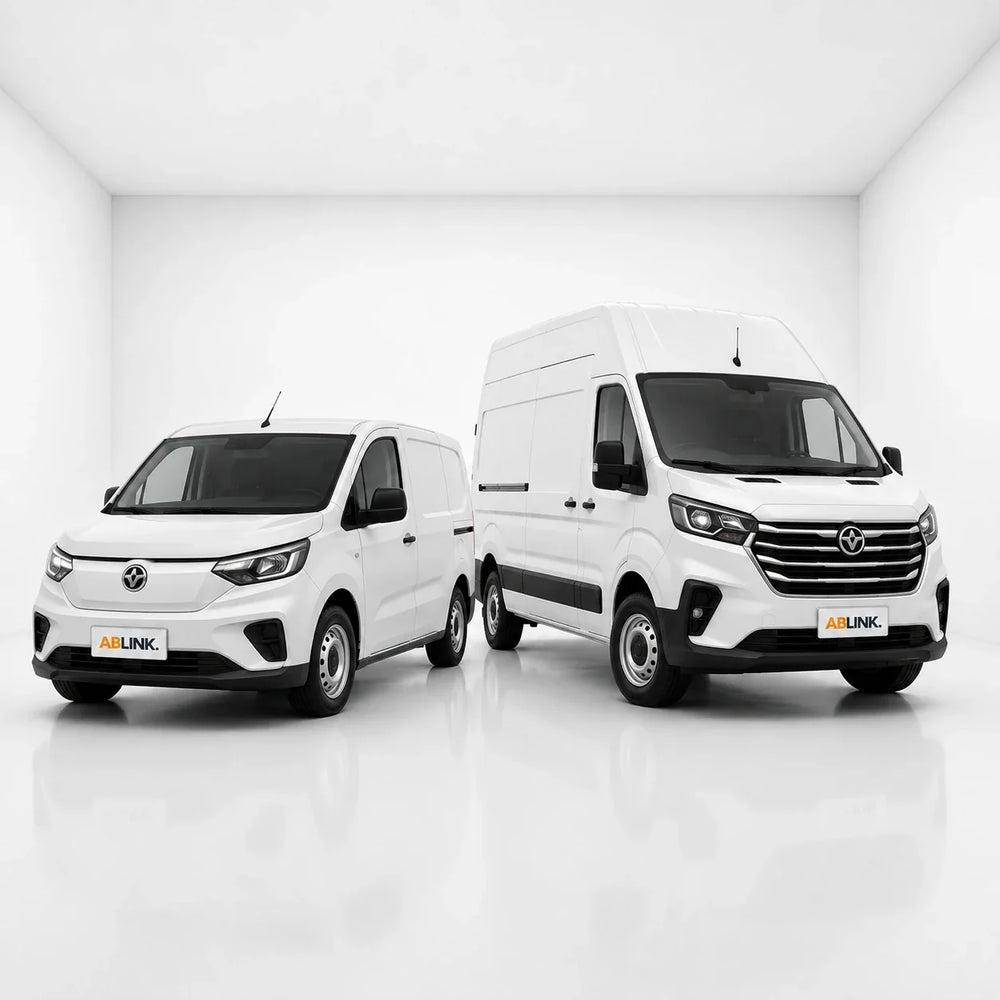
Light Commercial Vans: Compact city delivery vehicles through full-size passenger/cargo vans in various configurations. Popular options include established Japanese brands (Toyota, Nissan, Mitsubishi) and emerging European alternatives.
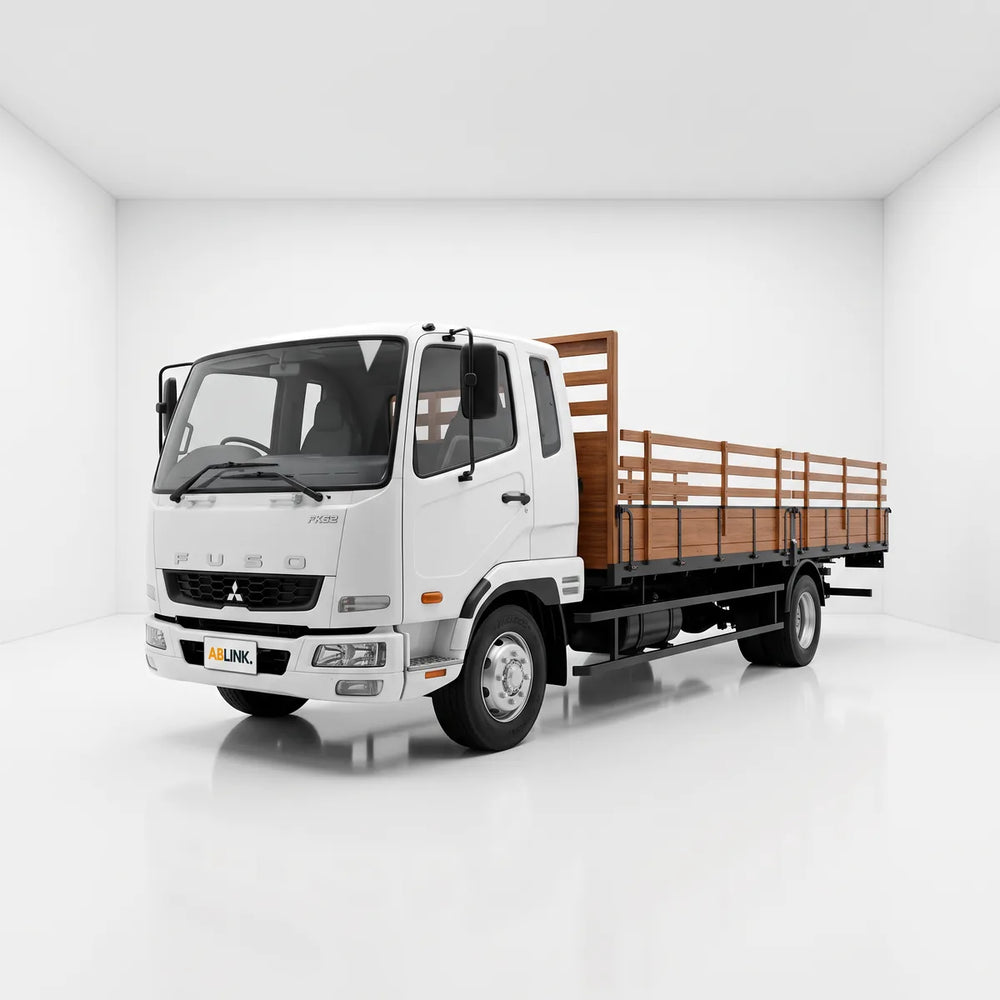
Standard Lorries: 10ft, 14ft, and larger lorry platforms suitable for logistics, construction, and distribution operations. Chassis configurations include flatbed, box, refrigerated, and specialized body types.
Electric Commercial Vehicles: Battery-electric vans and lorries benefiting from government incentive programs. Range specifications typically 200-300km suitable for urban delivery operations.
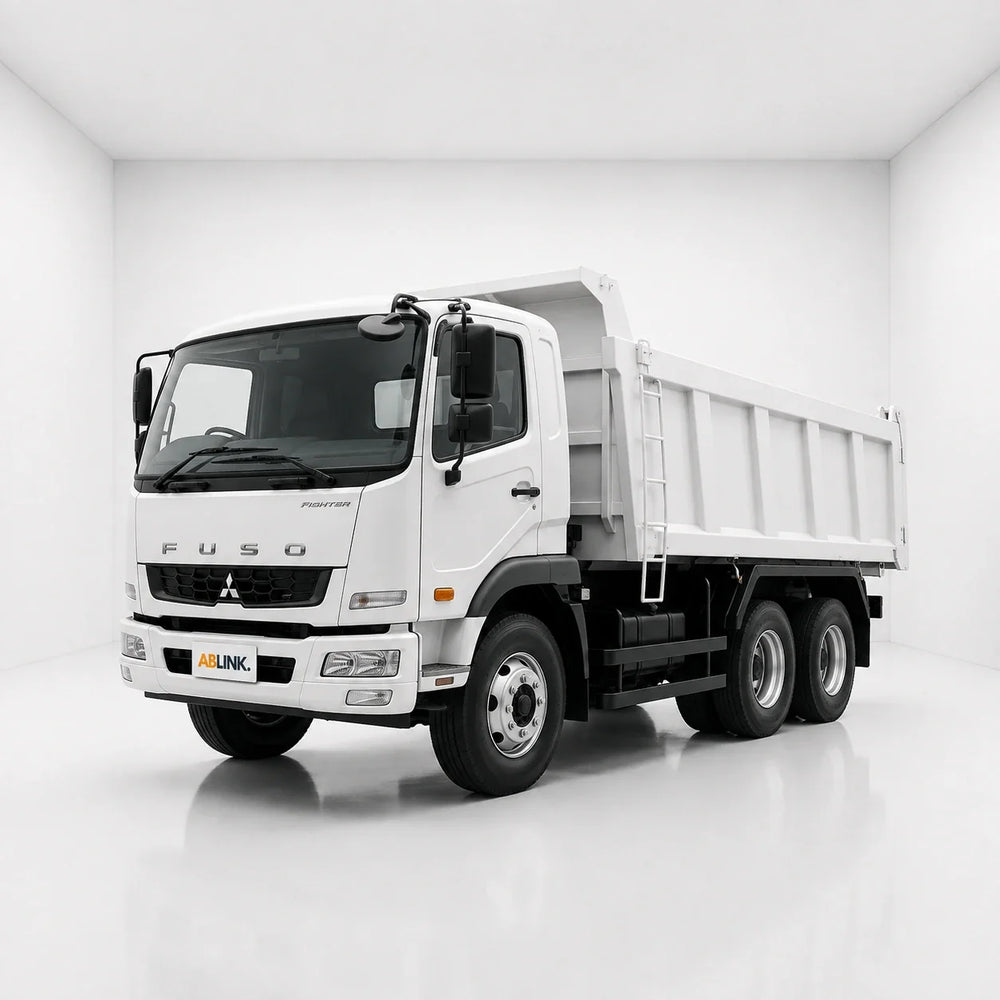
Heavy-Duty Trucks: 17ft-24ft platforms for bulk freight, construction materials, and high-capacity logistics applications.
For current model availability, specifications, and confirmed pricing tailored to your operational requirements, contact ABLINK's commercial vehicle specialists:
📞 +65 8946 8228 | 🌐 Browse complete commercial vehicle inventory at ablink.sg
2. Certificate of Entitlement (COE) - Singapore's Vehicle Quota System
COE represents Singapore's mandatory vehicle quota premium, typically constituting 40-60% of total initial commercial vehicle investment.
Current Market Context (January 2026):
-
Category C (Commercial Vehicles) latest Quota Premium: SGD 75,202 (January 21, 2026 bidding exercise)
-
Prevailing Quota Premium (PQP): SGD 76,166
-
Market trend: Relatively stable through Q4 2025 to Q1 2026 with minor quarterly fluctuations
-
Historical volatility: Category C COE ranges SGD 65,000 to SGD 85,000 over past 24 months
COE Fundamental Characteristics:
-
Grants 10-year vehicle registration entitlement
-
Renewal option available at Year 10 at prevailing market PQP rates
-
PARF (Preferential Additional Registration Fee) rebate available for vehicles deregistered before COE expiry
-
Bidding occurs twice monthly with results announced publicly
TCO Planning Implication: COE volatility introduces uncertainty into purchase timing. Conservative financial planning should model ±10-15% COE variance from current market rates to stress-test budgets against potential increases.
Strategic COE Timing Considerations:
-
February-March and June-July historically demonstrate softer demand (potential savings SGD 3,000-6,000)
-
January, April, and November-December typically show elevated demand pressures
-
Corporate budget cycles and seasonal business patterns influence quarterly COE dynamics
For personalized COE bidding strategy and timing guidance, consult ABLINK at +65 8946 8228.
3. Registration, Administrative, and Compliance Fees
-
LTA vehicle registration: SGD 220
-
Number plate allocation: SGD 100-150
-
Documentation processing: SGD 200-400
-
Pre-delivery inspection (new vehicles): Included in dealer price
-
LTA inspection fees (used vehicles): SGD 50-100
Total administrative overhead: SGD 570-870 (varies by new vs used vehicle status)
4. Initial Insurance Premium (Year 1)
First-year comprehensive commercial vehicle insurance varies substantially based on:
Vehicle Factors:
-
Market value and replacement cost
-
Vehicle age (new vs used)
-
Usage classification (light delivery vs heavy construction)
-
Security features installed
Driver Profile Factors:
-
Driver age (under 27 years: +50% to +100% premium surcharge)
-
Driving experience (less than 2 years: +40% to +80% surcharge)
-
Clean driving record vs claims history
-
Relevant vocational license class
Business Risk Factors:
-
Industry classification (construction/contractor operations typically higher rated)
-
Operational area (urban vs remote jobsites)
-
Annual mileage projections
-
Fleet size (multi-vehicle discounts available)
Typical First-Year Premium Ranges (Comprehensive Coverage):
-
Light commercial vans (under 3 tonnes): SGD 1,500-2,200
-
10ft-14ft lorries (3-7 tonnes): SGD 2,000-2,800
-
Heavy lorries and trucks (over 7 tonnes): SGD 2,500-3,500+
No Claim Discount (NCD) Accumulation:
-
Year 1 (first claim-free year): 20% discount
-
Year 2 (second consecutive): 30% discount
-
Year 3 (third consecutive): 40% discount
-
Year 4+ (fourth+ consecutive): 50% maximum discount
NCD protection strategy significantly impacts long-term TCO. Self-funding minor repairs below SGD 2,000-3,000 rather than filing insurance claims preserves NCD value worth SGD 2,000-4,000 in avoided premium increases over subsequent years.
For competitive insurance quotations tailored to your fleet profile, ABLINK can connect you with trusted commercial vehicle insurance providers.
5. Road Tax (Initial Payment)
Singapore commercial vehicle road tax calculated on Maximum Laden Weight (MLW) classification, payable biannually or annually:
Typical Annual Road Tax Ranges:
-
Light commercial vehicles (under 3.5 tonnes MLW): SGD 600-900
-
Medium lorries (3.5-7 tonnes MLW): SGD 1,200-1,800
-
Heavy lorries (over 7 tonnes MLW): SGD 1,800-2,500+
Electric Vehicle Consideration: Battery-electric commercial vehicles incur standard road tax plus Annual Fee for Clean (AFC) component. However, vehicles registered before January 1, 2026 qualify for 3-year AFC waiver (2026-2028 period).
Financing Cost Analysis Over 5-Year Term
Most Singapore businesses finance commercial vehicle purchases through institutional loans rather than full cash payment to preserve working capital for operational deployment.
Current Market Financing Rates (January 2026 Reference):
Major financial institutions offering commercial vehicle financing include UOB, Maybank, Hitachi Capital, Hong Leong Finance, and others with varying rate structures. Current market rates generally range from approximately 2.99% to 4.50% per annum depending on:
-
Lender institution and customer relationship
-
Vehicle age (new vs used qualification)
-
Loan quantum and loan-to-value ratio
-
Repayment tenor and borrower credit profile
Maximum financing quantum typically ranges 70-100% of vehicle value depending on lender policies, with higher LTV ratios available for new vehicles versus used vehicle purchases.
Maximum financing tenor commonly extends to 84 months (7 years), though 60-month (5-year) terms remain standard for optimal interest cost management.
Example Financing Impact Calculation:
Hypothetical scenario for illustration:
-
Total vehicle cost: SGD 135,000 (body + COE + fees)
-
Down payment (20%): SGD 27,000
-
Financed amount: SGD 108,000
-
Interest rate: 3.50% p.a. (market reference)
-
Tenor: 60 months
Resulting financing structure:
-
Monthly installment: Approximately SGD 1,963
-
Total interest paid over 5 years: Approximately SGD 9,780
-
Effective financing cost: 7.2% of vehicle value
TCO Strategic Consideration: Financing adds 7-10% to total vehicle investment over 5-year periods depending on interest rate environment. However, preserving SGD 80,000-110,000 working capital often justifies this financing expense for cash flow optimization and business opportunity deployment.
Financial comparison methodology: Calculate whether expected business return on capital (8-12% typical for healthy operations) exceeds financing interest rate (3-4% range). If ROI spread positive, financing economically optimal versus cash purchase.
For competitive commercial vehicle financing coordination, contact ABLINK at +65 8946 8228 to explore options across multiple lending partners.
Part 3: Annual Operating Costs - The Largest TCO Component
Fuel Costs: Typically 40-50% of Operating Expenses
Fuel consumption represents the single largest variable operating cost for diesel commercial vehicles, making fuel efficiency the most impactful criterion in TCO optimization for high-mileage operations.
Fuel Efficiency Comparison: Commercial Vehicle Performance Benchmarks
Based on manufacturer specifications and real-world Singapore operator data:
| Vehicle Class | Typical Fuel Efficiency Range | Annual Cost (20,000km) | Annual Cost (30,000km) |
|---|---|---|---|
| High-Efficiency Diesel Lorries | 6.5-7.5 km/L | SGD 4,500-5,000 | SGD 6,750-7,500 |
| Standard Diesel Lorries | 8.5-10.0 km/L | SGD 5,500-6,500 | SGD 8,250-9,750 |
| Light Commercial Vans | 9.0-11.0 km/L | SGD 5,000-6,000 | SGD 7,500-9,000 |
| Heavy-Duty Trucks | 5.5-7.0 km/L | SGD 6,500-8,000 | SGD 9,750-12,000 |
Calculation methodology: Singapore diesel price reference SGD 2.10/L (January 2026 market rate, subject to ongoing commodity price fluctuations).
Key Finding: Top-tier fuel-efficient commercial vehicles demonstrate 15-25% better consumption rates versus conventional alternatives. Over 5-year periods at commercial usage rates (25,000km annually), this efficiency premium delivers approximately SGD 6,000-10,000 cumulative fuel savings.
Operational Variables Significantly Impacting Fuel Efficiency:
Driving Pattern Impact (±15-25% variance):
-
Highway-dominant routing: +15-20% efficiency improvement
-
Urban stop-and-go traffic: -10-15% efficiency degradation
-
Congestion and idling time: Major efficiency penalty
Payload Weight (±10-20% variance):
-
Unladen vs maximum capacity operations
-
Frequent heavy loads reduce efficiency proportionately
-
Optimal loading for fuel economy balances utilization and weight
Driver Behavior (±10-18% variance):
-
Aggressive acceleration/braking techniques: -15% efficiency
-
Optimal gear selection and speed management: +10-12% efficiency
-
Progressive driver training programs yield measurable fuel savings
Vehicle Maintenance Condition (±8-12% variance):
-
Proper tire pressure maintenance: +5-8% efficiency
-
Regular engine servicing and filter replacements: +3-5% efficiency
-
Degraded maintenance: -10% or greater efficiency loss
Electric Vehicle Operating Cost Comparison:
Battery-electric commercial vehicles operating on Singapore commercial electricity rates:
-
Typical consumption: 22-28 kWh per 100km
-
Commercial electricity rate: Approximately SGD 0.30/kWh (varies by usage tier)
-
20,000km annual cost: Approximately SGD 1,400-1,700
-
30,000km annual cost: Approximately SGD 2,100-2,550
EV fuel cost advantage: 60-70% reduction versus diesel equivalents, translating to SGD 3,500-5,500 annual savings at typical commercial usage rates. However, higher purchase prices and charging infrastructure requirements necessitate comprehensive TCO analysis for business case validation.
To explore fuel-efficient vehicle options across diesel and electric powertrains:
🌐 View ABLINK's complete commercial vehicle collection
🌐 Explore electric commercial vehicle options
📞 Contact ABLINK specialists at +65 8946 8228
Maintenance & Repair Cost Planning
Scheduled Preventive Maintenance Programs
Commercial vehicle manufacturers specify service intervals (typically 10,000km, 20,000km, 40,000km milestones) with defined maintenance packages:
Service Package Typical Structures:
-
Minor Service (10,000km): Oil change, filter replacements, visual inspections - SGD 300-500
-
Major Service (20,000km): Comprehensive fluid services, brake inspection, component checks - SGD 600-900
-
Extended Service (40,000km): Detailed mechanical assessment, timing belt/transmission services - SGD 1,200-1,800
Average annual scheduled maintenance budget: SGD 1,200-2,000 depending on annual mileage accumulation and service package tier requirements.
Unscheduled Repairs & Component Replacements:
-
Tire replacements: Every 40,000-60,000km depending on usage - SGD 800-1,200 per complete set
-
Brake system service: Pads/rotors every 30,000-50,000km - SGD 400-600
-
Battery replacement: 3-4 year typical lifespan - SGD 200-350
-
Wear components: Filters, belts, hoses, fluids - SGD 500-1,000 annually
-
Contingency repairs: Unexpected mechanical issues - SGD 500-1,500 annual reserve
Total comprehensive annual maintenance budget: SGD 1,800-3,500 for well-maintained commercial vehicles in normal duty cycles. Heavy-use applications (construction, off-road) may experience 25-40% higher maintenance requirements.
Industry-Specific Maintenance Cost Variance:
Urban Delivery & Logistics (Optimized Routing):
-
Annual maintenance typically: SGD 1,500-2,200
-
Highway-dominant driving reduces mechanical wear
-
Predictable maintenance scheduling easier
-
Approximate cost per km: SGD 0.08-0.11
Construction & Heavy Industry (Intensive Duty):
-
Annual maintenance typically: SGD 2,500-3,500
-
Rough terrain accelerates suspension/chassis wear
-
Dust, debris, and loading stress increase component failure rates
-
Approximate cost per km: SGD 0.13-0.18
Mixed Commercial Use (General Business Operations):
-
Annual maintenance typically: SGD 2,000-2,800
-
Urban navigation with variable loading patterns
-
Standard wear profile
-
Approximate cost per km: SGD 0.10-0.14
Electric Vehicle Maintenance Cost Advantage:
Battery-electric commercial vehicles eliminate numerous conventional maintenance requirements:
-
No engine oil changes or filter replacements
-
No exhaust system maintenance needs
-
Significantly reduced brake wear (regenerative braking systems)
-
Fewer total moving parts reduces failure probability
EV typical annual maintenance: SGD 800-1,500 representing 30-45% cost reduction versus diesel equivalents. Over 5-year ownership, this translates to approximately SGD 4,000-8,000 cumulative maintenance savings partially offsetting EV purchase premiums.
For authorized service center recommendations and maintenance cost planning assistance, contact ABLINK at +65 8946 8228.
Insurance Premium Evolution (Years 1-5)
Insurance costs decrease over vehicle lifespan due to market value depreciation and No Claim Discount accumulation:
5-Year Insurance Cost Projection Example:
| Year | Approx Vehicle Value | NCD Rate | Estimated Annual Premium |
|---|---|---|---|
| 1 | 100% (new) | 0% | SGD 2,400 |
| 2 | 85% | 20% | SGD 2,000 |
| 3 | 72% | 30% | SGD 1,700 |
| 4 | 61% | 40% | SGD 1,500 |
| 5 | 52% | 50% | SGD 1,300 |
| 5-Year Total | SGD 8,900 |
Insurance Cost Optimization Strategies:
NCD Preservation:
-
Avoid insurance claims for repairs below SGD 2,000-3,000 threshold
-
Self-fund minor incidents to preserve discount progression
-
Single claim resets NCD to 0%, costing SGD 2,000-4,000 in premium increases over 3-4 years
Multi-Vehicle Fleet Discounts:
-
3-5 vehicles: Negotiate 5-10% fleet premium reduction
-
6-10 vehicles: 10-15% fleet discount achievable
-
10+ vehicles: 15-20% potential savings with comprehensive fleet programs
Voluntary Excess Optimization:
-
Increase excess to SGD 1,000-2,000+ reduces premiums 10-15%
-
Balance excess level against self-insurable risk tolerance
-
Higher excess appropriate for financially stable operations
Risk Mitigation Measures:
-
Install GPS tracking systems: Potential 5-10% premium discount
-
Driver training certification programs: Marginal premium reductions with some insurers
-
Vehicle security enhancements: Anti-theft systems may qualify for discounts
Road Tax Annual Recurring Obligation
Fixed annual cost based on vehicle Maximum Laden Weight classification:
Typical 5-Year Road Tax Projection:
-
Medium commercial lorry example: SGD 1,400 annually
-
5-year cumulative: SGD 7,000
Payment flexibility: Singapore allows biannual or annual payment options. Annual payment occasionally eligible for minor administrative discounts.
Electric Vehicle AFC Consideration: Commercial EVs registered before January 1, 2026 receive 3-year AFC waiver (2026-2028). From Year 4 onwards, AFC charges SGD 600-1,200 annually apply depending on vehicle weight class.
Part 4: Hidden Costs & Overlooked Operational Expenses
Comprehensive TCO analysis captures smaller recurring expenses that aggregate to 15-20% of total cost:
The Complete Hidden Cost Audit Checklist
Electronic Road Pricing (ERP) Charges
-
Urban business operations: SGD 80-200 monthly
-
Peak hour routing businesses: SGD 150-300 monthly
-
Annual range: SGD 1,000-3,600
Daily Parking Fees
-
Business location parking: SGD 5-15 per day
-
250 working days annually: SGD 1,250-3,750
-
Varies significantly by business operational area
Vehicle Cleaning & Appearance Maintenance
-
Professional cleaning service: SGD 15-30 per wash
-
Biweekly frequency for customer-facing operations: SGD 400-800 annually
GPS Tracking & Fleet Management Systems
-
Telematics subscriptions: SGD 30-50 per vehicle monthly
-
Annual: SGD 360-600
-
Essential for fleet efficiency optimization and driver accountability
Speed Limiter Compliance Installation (2026 Regulation)
-
Mandatory for lorries 3,501-12,000kg from January 1, 2026
-
Installation cost: SGD 500-1,000 one-time expense
-
Note: New vehicles may include factory-installed compliance
Spare Parts Safety Inventory
-
Downtime minimization strategy: SGD 500-1,500 initial stock
-
Replenishment: SGD 200-400 annually
-
Particularly relevant for operations where vehicle downtime = revenue loss
Driver Training & Licensing Costs
-
Class 4 license upgrade (vehicles over 2,500kg): SGD 2,000-3,000 per driver one-time
-
Defensive driving courses: SGD 300-500 per driver
-
Annual refresher training: SGD 200-400 per driver
Vehicle Parking Certificate (VPC)
-
Required for certain zone parking
-
Annual: SGD 60-120
Opportunity Cost of Capital Deployed
-
Down payment SGD 27,000 deployed in vehicle vs alternative business investments
-
Assuming 4% alternative investment return
-
Foregone annual return: SGD 1,080
-
5-year cumulative opportunity cost: SGD 5,400
Total Hidden Costs Range: SGD 4,000-6,500 annually
Over 5-year ownership periods, these often-overlooked expenses aggregate to SGD 20,000-32,500 representing 15-22% of total TCO that disciplined financial planning must accommodate.
Part 5: Depreciation Analysis & Residual Value Projection
Understanding Commercial Vehicle Depreciation Dynamics
Commercial vehicles depreciate based on usage intensity, maintenance quality, brand perception, and Singapore used vehicle market supply-demand dynamics.
Typical Depreciation Schedule (Percentage of Purchase Price):
| Ownership Year | Annual Depreciation | Cumulative Loss | Remaining Value |
|---|---|---|---|
| Year 1 | 15-20% | 15-20% | 80-85% |
| Year 2 | 12-15% | 27-35% | 65-73% |
| Year 3 | 10-12% | 37-47% | 53-63% |
| Year 4 | 8-10% | 45-57% | 43-55% |
| Year 5 | 8-10% | 53-67% | 33-47% |
5-Year typical residual value range: 33-47% of initial purchase price
Factors Accelerating Depreciation (Reducing Residual Value):
-
High annual mileage (over 30,000km/year): Accelerates depreciation 5-10% additionally
-
Incomplete maintenance records: Reduces residual value 10-20%
-
Accident history or insurance claims: Significant 15-30% residual value penalty
-
Heavy-use industry stigma (construction/contractor vehicles): Market discount 5-10%
-
Approaching COE expiry (under 3 years remaining): Steep residual value decline
-
Multiple ownership changes: Each owner transition reduces perceived care quality
Factors Preserving Higher Residual Value:
-
Complete authorized service history: Commands 8-15% residual premium
-
Low annual mileage (under 15,000km/year): Preserves 5-12% additional value
-
Single careful owner: 5-10% premium versus multiple owner vehicles
-
Premium brands (Toyota, Isuzu established reputations): 10-15% market premium
-
Comprehensive insurance without claims: Signals responsible operation worth 5%
-
Excellent cosmetic condition: Professional appearance preservation adds 3-5%
Practical Residual Value Estimation Examples:
Premium Japanese Commercial Van:
-
Initial purchase: SGD 135,000 (including COE)
-
5-year projected residual: SGD 47,000-55,000 (35-41% retention)
-
Effective 5-year depreciation: SGD 80,000-88,000
Standard Commercial Lorry:
-
Initial purchase: SGD 140,000 (including COE)
-
5-year projected residual: SGD 49,000-58,000 (35-41% retention)
-
Effective 5-year depreciation: SGD 82,000-91,000
Budget Commercial Vehicle:
-
Initial purchase: SGD 120,000 (including COE)
-
5-year projected residual: SGD 36,000-42,000 (30-35% retention)
-
Effective 5-year depreciation: SGD 78,000-84,000
Strategic Insight: Premium brands command 8-15% superior residual value percentages versus budget alternatives, partially recovering higher initial purchase prices through stronger resale performance.
Electric Vehicle Residual Value Uncertainty:
EV residual projections carry higher forecasting uncertainty due to:
-
Rapidly evolving battery technology creating model obsolescence risk
-
Battery capacity degradation concerns (though 8-year warranties provide protection)
-
Singapore EV used vehicle market still developing with limited historical data
-
Future government incentive changes potentially affecting new EV competitiveness
Conservative EV 5-year residual estimate: 35-45% of purchase price (comparable to diesel vehicles when accounting for government incentives reducing effective initial cost).
Part 6: Complete 5-Year TCO Calculation Examples
Example 1: Standard Diesel Commercial Lorry (10ft Class)
Initial Acquisition Costs:
-
Vehicle body price: Market-dependent (contact ABLINK for current pricing)
-
COE premium (January 2026 reference): SGD 75,202
-
Registration and administrative fees: SGD 750
-
Initial comprehensive insurance: SGD 1,800
-
Road tax (6-month initial): SGD 400
-
Total initial investment: Approximately SGD 128,000-140,000 (vehicle-dependent)
Financing Structure (80% LTV at 3.5% APR):
-
Down payment (20%): SGD 26,000-28,000
-
Monthly installment: Approximately SGD 1,500-1,650
-
Total interest over 60 months: SGD 6,800-7,500
Annual Operating Costs (5-Year Average):
-
Fuel (25,000km annually, standard efficiency): SGD 5,200-5,800
-
Scheduled maintenance: SGD 2,000
-
Insurance (NCD-adjusted average): SGD 1,700
-
Road tax: SGD 800
-
Hidden operational costs (ERP, parking, GPS, etc.): SGD 4,500
-
Annual recurring total: SGD 14,200-14,800
5-Year TCO Calculation Summary:
| Cost Category | Estimated Amount |
|---|---|
| Initial purchase | SGD 128,000-140,000 |
| Financing interest | SGD 6,800-7,500 |
| Operating costs (5 years) | SGD 71,000-74,000 |
| Gross 5-year expenditure | SGD 205,800-221,500 |
| Less: Residual value (Year 5) | (SGD 42,000-50,000) |
| Net 5-year TCO | SGD 163,800-171,500 |
Key TCO Metrics:
-
Cost per kilometer (125,000km over 5 years): SGD 1.31-1.37
-
Cost per month equivalent: SGD 2,730-2,858
-
Cost per delivery (assuming 8 deliveries/day, 250 days/year): SGD 13.10-13.72
Example 2: Fuel-Efficient Diesel Lorry (14ft Class)
Initial Acquisition Costs:
-
Vehicle body price: Market-dependent (contact ABLINK for current pricing)
-
COE premium (January 2026 reference): SGD 75,202
-
Registration and administrative fees: SGD 800
-
Initial comprehensive insurance: SGD 2,400
-
Road tax (6-month initial): SGD 700
-
Total initial investment: Approximately SGD 138,000-152,000 (vehicle-dependent)
Financing Structure (80% LTV at 2.99% APR - optimized rate):
-
Down payment (20%): SGD 27,600-30,400
-
Monthly installment: Approximately SGD 1,580-1,740
-
Total interest over 60 months: SGD 6,400-7,100
Annual Operating Costs (5-Year Average):
-
Fuel (25,000km annually, high-efficiency): SGD 4,700-5,200 (15-20% improvement)
-
Scheduled maintenance: SGD 2,200
-
Insurance (NCD-adjusted average): SGD 1,900
-
Road tax: SGD 1,400
-
Hidden operational costs: SGD 5,000
-
Annual recurring total: SGD 15,200-15,700
5-Year TCO Calculation Summary:
| Cost Category | Estimated Amount |
|---|---|
| Initial purchase | SGD 138,000-152,000 |
| Financing interest | SGD 6,400-7,100 |
| Operating costs (5 years) | SGD 76,000-78,500 |
| Gross 5-year expenditure | SGD 220,400-237,600 |
| Less: Residual value (Year 5) | (SGD 50,000-58,000) |
| Net 5-year TCO | SGD 170,400-179,600 |
Key TCO Metrics:
-
Cost per kilometer (125,000km over 5 years): SGD 1.36-1.44
-
Cost per month equivalent: SGD 2,840-2,993
Comparative Analysis: 10ft vs 14ft Decision Framework
The 14ft lorry commands approximately SGD 10,000-15,000 higher initial investment and SGD 6,600-8,100 additional 5-year TCO versus 10ft alternatives. This premium justifies economically when:
✅ Payload requirements regularly approach or exceed 10ft capacity limits (avoiding double-trip inefficiency)
✅ Cubic volume constraints necessitate larger cargo space for business operations
✅ Business growth trajectory projects capacity expansion requirements within 24-36 months
✅ Operational efficiency gains (fewer trips, better utilization) offset TCO differential
For personalized vehicle sizing recommendations based on your specific operational requirements, contact ABLINK at +65 8946 8228.
Example 3: Battery-Electric Commercial Van
Initial Acquisition Costs:
-
Vehicle body price: Market-dependent (contact ABLINK for current pricing)
-
COE premium (January 2026 reference): SGD 75,202
-
Less: EEAI (Electric Early Adoption Incentive): Approximately -SGD 7,500 (if eligible, expires Dec 2026)
-
Less: CVES (Commercial Vehicle Emissions Scheme) rebate: Approximately -SGD 15,000 (if eligible)
-
Registration and administrative fees: SGD 800
-
Initial comprehensive insurance: SGD 2,200
-
Road tax (initial, AFC waived Years 1-3): SGD 0
-
Total initial investment: Approximately SGD 145,000-160,000 (after incentives, vehicle-dependent)
Important Note: Government EV incentive amounts, eligibility criteria, and expiry dates subject to policy changes. Verify current incentive availability with LTA or ABLINK before purchase commitments.
Financing Structure (80% LTV at 3.5% APR):
-
Down payment (20%): SGD 29,000-32,000
-
Monthly installment: Approximately SGD 2,120-2,330
-
Total interest over 60 months: SGD 11,200-12,300
Annual Operating Costs (5-Year Average):
-
Electricity (25,000km annually, typical EV consumption): SGD 1,700-2,000
-
Reduced maintenance (EV advantage): SGD 1,200
-
Insurance (NCD-adjusted average): SGD 1,850
-
Road tax: SGD 800
-
AFC (applicable Years 4-5, averaged): SGD 360
-
Hidden operational costs: SGD 4,800
-
Annual recurring total: SGD 10,710-10,010
5-Year TCO Calculation Summary:
| Cost Category | Estimated Amount |
|---|---|
| Initial purchase | SGD 145,000-160,000 |
| Financing interest | SGD 11,200-12,300 |
| Operating costs (5 years) | SGD 50,500-53,600 |
| Gross 5-year expenditure | SGD 206,700-225,900 |
| Less: Residual value (Year 5) | (SGD 55,000-65,000) |
| Net 5-year TCO | SGD 151,700-160,900 |
Key TCO Metrics:
-
Cost per kilometer (125,000km over 5 years): SGD 1.21-1.29
-
Cost per month equivalent: SGD 2,528-2,682
EV vs Diesel TCO Comparison:
Battery-electric commercial vehicles demonstrate approximately SGD 10,000-12,000 lower 5-year TCO (6-8% reduction) versus standard diesel equivalents at 25,000km annual usage, primarily driven by:
-
60-70% fuel cost savings: SGD 3,500-5,500 annually
-
30-45% maintenance cost reduction: SGD 800-1,300 annually
-
Government incentives reducing effective purchase price: SGD 20,000-25,000
EV Break-even timeline: Typically 36-48 months for operations meeting viability criteria below.
EV Suitability Assessment Criteria:
Battery-electric commercial vehicles achieve optimal TCO when operations demonstrate:
✅ Daily operational routes under 250km (within single-charge range capability)
✅ Fixed depot or base location enabling overnight charging infrastructure
✅ Urban-dominant routing (regenerative braking efficiency gains)
✅ High annual mileage over 20,000km (maximizes fuel savings accumulation)
✅ 5+ year ownership horizon (sufficient time to recover higher initial investment)
✅ Corporate sustainability or ESG commitments (value beyond pure financial TCO)
For comprehensive EV transition analysis and government incentive guidance:
🌐 Explore ABLINK's electric commercial vehicle options
📄 Read: Electric Lorry Singapore 2026 Incentives Guide
📞 Contact ABLINK EV specialists at +65 8946 8228
Part 7: Industry-Specific TCO Benchmarks
Food & Beverage / Catering Operations
Typical Vehicle Profile: Mid-size commercial van with refrigeration capability
Annual Mileage: 25,000-30,000km (high daily usage for delivery routes)
Operational Characteristics: Urban routing, frequent stops, temperature-sensitive cargo
5-Year TCO Component Breakdown:
| Cost Element | Annual Average | 5-Year Total |
|---|---|---|
| Fuel/electricity | SGD 5,000-5,500 | SGD 25,000-27,500 |
| Maintenance | SGD 2,000-2,200 | SGD 10,000-11,000 |
| Insurance | SGD 1,800 | SGD 9,000 |
| Road tax | SGD 900 | SGD 4,500 |
| Refrigeration electricity | SGD 800 | SGD 4,000 |
| Cleaning (hygiene-critical) | SGD 1,200 | SGD 6,000 |
| Parking/ERP | SGD 2,800 | SGD 14,000 |
| GPS tracking | SGD 480 | SGD 2,400 |
| Annual Operating Total | SGD 15,000-15,700 | SGD 75,000-78,500 |
Add: Initial purchase (~SGD 140,000) + Financing (~SGD 8,000) - Residual (~SGD 50,000)
Estimated Total 5-Year TCO: SGD 173,000-176,500
Key Performance Metrics:
-
Cost per kilometer: SGD 1.38-1.41
-
Cost per delivery (3,000 annual deliveries): SGD 11.53-11.77
Optimization Strategies for F&B Operations:
-
Route optimization software: Potential 10-15% fuel savings (SGD 2,500-4,000 over 5 years)
-
EV transition for temperature-controlled deliveries: 60% fuel cost reduction opportunity
-
Preventive maintenance priority: Avoid spoilage from breakdown (business impact >> repair cost)
Industry-specific guidance: Commercial Vehicles for Food Delivery & Catering - ABLINK Guide
Construction & Contractor Operations
Typical Vehicle Profile: 14ft flatbed lorry or box lorry for materials transport
Annual Mileage: 18,000-22,000km (moderate mileage, intensive usage duty cycle)
Operational Characteristics: Jobsite terrain, heavy payloads, material transport, loading stress
5-Year TCO Component Breakdown:
| Cost Element | Annual Average | 5-Year Total |
|---|---|---|
| Fuel | SGD 5,500-6,000 | SGD 27,500-30,000 |
| Maintenance (heavy wear) | SGD 3,200-3,500 | SGD 16,000-17,500 |
| Insurance | SGD 2,400 | SGD 12,000 |
| Road tax | SGD 1,400 | SGD 7,000 |
| Accelerated tire replacement | SGD 600 | SGD 3,000 |
| Repair contingency | SGD 1,200 | SGD 6,000 |
| Parking/ERP (minimal) | SGD 1,500 | SGD 7,500 |
| GPS tracking | SGD 480 | SGD 2,400 |
| Annual Operating Total | SGD 16,280-16,980 | SGD 81,400-84,900 |
Add: Initial purchase (~SGD 140,000) + Financing (~SGD 7,000) - Residual (~SGD 45,000)
Estimated Total 5-Year TCO: SGD 183,400-186,900
Key Performance Metrics:
-
Cost per kilometer: SGD 1.83-1.87
-
Cost per tonne-kilometer (2,000kg average payload): SGD 0.92-0.94
Optimization Strategies for Construction:
-
Preventive maintenance critical: Rough terrain accelerates wear (avoid catastrophic failures SGD 5,000-8,000)
-
Load optimization: Minimize empty return trips by 20-30% (fuel savings SGD 2,750-4,000)
-
Driver training: Reduces component wear and damage by 15% (savings SGD 2,400-3,000)
Logistics & Distribution Operations
Typical Vehicle Profile: 10ft-14ft box lorry prioritizing fuel efficiency
Annual Mileage: 30,000-35,000km (highest mileage category, multi-drop routing)
Operational Characteristics: Highway-dominant, time-sensitive delivery schedules, route optimization focus
5-Year TCO Component Breakdown:
| Cost Element | Annual Average | 5-Year Total |
|---|---|---|
| Fuel (high consumption) | SGD 7,500-8,500 | SGD 37,500-42,500 |
| Maintenance | SGD 2,000-2,200 | SGD 10,000-11,000 |
| Insurance | SGD 2,000 | SGD 10,000 |
| Road tax | SGD 1,200 | SGD 6,000 |
| ERP (urban access) | SGD 3,600 | SGD 18,000 |
| Parking fees | SGD 2,400 | SGD 12,000 |
| GPS/telematics (essential) | SGD 600 | SGD 3,000 |
| Vehicle branding | SGD 400 | SGD 2,000 |
| Annual Operating Total | SGD 19,700-20,900 | SGD 98,500-104,500 |
Add: Initial purchase (~SGD 135,000) + Financing (~SGD 7,000) - Residual (~SGD 48,000)
Estimated Total 5-Year TCO: SGD 192,500-198,500
Key Performance Metrics:
-
Cost per kilometer: SGD 1.16-1.19 (best efficiency due to high utilization)
-
Cost per delivery (12,000 annual deliveries): SGD 3.21-3.31
Optimization Strategies for Logistics:
-
Fuel-efficient model selection: 15% improvement = SGD 5,600-8,400 savings over 5 years
-
AI route optimization: 12-15% fuel + time efficiency (SGD 7,000-10,000 value)
-
EV consideration for urban sub-250km routes: 60% fuel savings = SGD 22,000-26,000
Critical Insight: Cost per delivery directly impacts gross margins in competitive logistics markets. 10% TCO optimization translates to 5-8% profitability improvement for typical operators.
Part 8: TCO Optimization Strategies
Strategy 1: Right-Sizing Vehicle Selection
Common Costly Mistake: Over-specifying vehicle capacity "for future growth potential" or "just in case" scenarios resulting in:
-
Unnecessary SGD 8,000-15,000 higher purchase price
-
Elevated fuel consumption from excess vehicle weight
-
Higher insurance and road tax obligations
-
Chronic underutilization (paying for unused capacity daily)
Data-Driven Optimization Approach:
-
Analyze 90th percentile load requirements (not maximum outlier scenarios that occur <5% of operations)
-
Model occasional oversized load alternatives: rental solutions, third-party logistics partnerships
-
Plan capacity upgrades aligned with confirmed business growth milestones (not speculative forecasts)
Example ROI Calculation:
Choosing operationally-appropriate 10ft lorry versus over-specified 14ft when 10ft meets 92-95% of business needs:
-
Initial investment savings: SGD 8,000-12,000
-
Annual operating cost savings: SGD 3,000-4,000 (fuel, insurance, road tax differential)
-
5-year net TCO reduction: SGD 23,000-32,000
Decision Framework: If occasional oversized loads represent under 5% of total deliveries:
-
Rental solution: SGD 200/day × 15 days annually = SGD 1,500 annual cost
-
Permanent 14ft lorry premium: SGD 4,000-5,000 annual TCO increase
-
Net savings from right-sizing: SGD 2,500-3,500 annually
Strategy 2: Fuel Efficiency Prioritization
ROI Framework: Every 1.0 km/L fuel efficiency improvement = approximately SGD 600-800 annual savings at 25,000km typical commercial usage (diesel @ SGD 2.10/L).
Practical Example:
High-efficiency lorry (6.5 km/L) versus conventional alternative (8.5 km/L):
-
Efficiency advantage: 2.0 km/L superior performance
-
Annual fuel savings: SGD 1,200-1,600
-
5-year cumulative savings: SGD 6,000-8,000
-
Economically justifies SGD 8,000-12,000 higher purchase price
Implementation Methodology:
-
Request manufacturer fuel consumption specifications during vehicle evaluation
-
Validate through existing operator references and independent testing data
-
Calculate actual TCO impact across 5-year ownership before finalizing selection
-
Monitor real-world consumption post-purchase to validate projections
Strategy 3: Preventive Maintenance Programs
Industry Data: Systematic preventive maintenance reduces total maintenance costs by 25-40% versus reactive repair-only approaches while significantly improving operational reliability.
Cost-Benefit Analysis:
Annual Investment:
-
Preventive program incremental cost: SGD 400-600 additional versus reactive minimum
-
Systematic inspections, proactive component replacements, manufacturer schedule adherence
Annual Benefits:
-
Major repair avoidance: SGD 2,000-4,000 (engine, transmission, differential failures)
-
Reduced unscheduled downtime: 30-40 hours saved annually
-
Productivity preservation value: SGD 1,500-2,500 (revenue-generating hours)
-
Extended vehicle lifespan and superior residual value: +5-8%
Net Annual Benefit: SGD 3,000-6,000
5-Year Value Creation: SGD 15,000-30,000
Implementation Checklist:
-
✅ Strict adherence to manufacturer-specified service intervals (no delayed services)
-
✅ Daily pre-trip driver inspections (tire pressure, fluid levels, lights, visual damage check)
-
✅ Monthly comprehensive inspections (brake wear, suspension, exhaust, battery)
-
✅ Annual detailed technical inspection at authorized service centers
-
✅ Maintain complete documented service history (essential for residual value optimization)
Resource: 10 Preventive Maintenance Tips to Cut Lorry Downtime 40%
Strategy 4: Insurance Cost Optimization
NCD Strategic Protection:
Insurance No Claim Discount preservation delivers substantial long-term savings:
-
Avoid claims below SGD 2,000-3,000 threshold (self-fund minor repairs economically rational)
-
Single claim forfeits 20-50% NCD = SGD 2,000-4,000 premium increase over subsequent 3-4 years
-
Calculate claim versus NCD loss economics before filing any insurance claim
Multi-Vehicle Fleet Discount Negotiation:
| Fleet Size | Typical Negotiable Discount |
|---|---|
| 3-5 vehicles | 5-10% premium reduction |
| 6-10 vehicles | 10-15% premium reduction |
| 10+ vehicles | 15-20% negotiable reduction |
Example ROI (5-vehicle fleet):
-
Standard combined premiums: 5 vehicles × SGD 2,000 = SGD 10,000 annually
-
With 12% fleet negotiated discount: SGD 8,800 annually
-
Annual savings: SGD 1,200
-
5-year cumulative savings: SGD 6,000
Additional Optimization Tactics:
-
Voluntary excess optimization: Increase to SGD 1,000-2,000+ for 10-15% premium reduction
-
GPS tracking installation: Qualify for 5-10% security discount with certain insurers
-
Driver training certification: Marginal premium reductions available
-
Annual lump-sum payment: Potential 3-5% discount versus monthly installment plans
Strategy 5: Financing Structure Optimization
Interest Rate Shopping ROI:
Scenario Comparison (SGD 100,000 loan over 60 months):
-
Option A: 3.50% APR = Total interest SGD 9,120
-
Option B: 2.99% APR = Total interest SGD 7,820
-
Savings from diligent rate shopping: SGD 1,300
Down Payment Strategic Optimization:
Balance considerations:
-
Higher down payment: Reduces interest expense but ties working capital
-
Lower down payment: Maximizes capital availability for business deployment
Optimal Framework: Calculate opportunity cost
-
If business generates >8-10% return on deployed capital: Minimize down payment
-
If business return <5%: Maximize down payment to reduce financing cost
-
Standard recommendation: 20-30% down payment balances interest cost versus capital efficiency
Financing Structure Recommendations:
-
Tenor: 60 months standard (aligns with 5-year TCO analysis period, avoids excessive interest)
-
Rate type: Fixed rate preferred (protects against Singapore interest rate volatility)
-
Pre-payment: Negotiate flexible pre-payment terms without penalty (optionality valuable)
Strategy 6: Strategic Purchase Timing
COE Market Cycle Awareness:
Historically Favorable Bidding Periods:
-
February-March (post-Chinese New Year demand softening)
-
June-July (mid-year period between budget cycles)
-
Potential savings: SGD 4,000-8,000 versus peak demand periods
Historically Elevated Demand Periods:
-
January (Singapore Motor Show, Chinese New Year business preparation)
-
April (new fiscal year corporate budget deployment)
-
November-December (year-end budget spending pressures)
Year-End Dealer Inventory Management:
-
November-December clearance promotions typical
-
Potential body price discounts: 3-5% on outgoing inventory
-
Savings opportunity: SGD 1,500-3,500 on SGD 60,000-70,000 body price
Model Year Transition Opportunities:
-
Outgoing model year discounts when new models launch
-
Potential savings: 5-8% on body price
-
Trade-off consideration: Marginally lower resale value (1-2% impact after 5 years)
-
Net economic benefit: Positive 3-6% total value
Balanced Recommendation: Don't delay business-critical vehicle needs for perfect timing speculation. However, if operational flexibility permits 2-4 month planning window, strategic timing can deliver SGD 5,000-12,000 total savings.
Part 9: DIY TCO Calculator Methodology
Building Your Customized TCO Model
Step 1: Define Operational Parameters
Vehicle type required: _________________ (10ft lorry, 14ft lorry, van, etc.)
Primary business use: _________________ (F&B delivery, construction, logistics)
Projected annual mileage: _________________ km
Analysis timeframe: _______ years (recommend 5-year standard)
Financing approach: Cash / Loan (___% down payment, ___% interest rate)
Step 2: Input Acquisition Costs
Vehicle body price: SGD __________ (obtain current quote from ABLINK)
COE premium (current market): SGD 75,202 (verify latest bidding results)
Registration & admin fees: SGD 800
Initial insurance premium: SGD __________ (obtain actual quotation)
Road tax (6-month initial): SGD __________
Total upfront investment: SGD __________
Step 3: Calculate Annual Operating Costs
FUEL/ELECTRICITY:
Method A (Diesel): (Annual km ÷ Fuel efficiency km/L) × SGD 2.10/L = SGD _______
Method B (Electric): (Annual km × kWh/100km ÷ 100) × SGD 0.30/kWh = SGD _______

MAINTENANCE: SGD __________ (reference industry benchmarks from Part 3)

INSURANCE:
  Year 1: SGD _______
  Year 2: SGD _______ (apply 20% NCD)
  Year 3: SGD _______ (apply 30% NCD)
  Year 4: SGD _______ (apply 40% NCD)
  Year 5: SGD _______ (apply 50% NCD)

ROAD TAX: SGD __________ annually

HIDDEN COSTS: SGD __________ (reference complete checklist Part 4)

Annual operating total: SGD __________
Step 4: Calculate Financing Costs (if applicable)
Financed amount: Total purchase × Loan percentage = SGD __________
Monthly payment calculation: Use online loan calculator or financial institution estimate
Total interest over loan period: SGD __________
Step 5: Project Residual Value
Conservative residual estimate: Initial cost × 33-40% = SGD __________
Optimistic residual estimate: Initial cost × 40-47% = SGD __________
(Adjust based on brand reputation, projected mileage, maintenance commitment)
Step 6: Final TCO Calculation
Total purchase costs: SGD __________
+ Total financing interest: SGD __________
+ (Annual operating costs × 5 years): SGD __________
= Gross 5-year expenditure: SGD __________
- Projected residual value: (SGD __________)
= NET 5-YEAR TOTAL COST OF OWNERSHIP: SGD __________

Calculated cost per km: Net TCO ÷ (Annual km × 5) = SGD ______/km
Calculated cost per month: Net TCO ÷ 60 months = SGD ______/month
Sensitivity Analysis: Testing Assumptions
Create three scenarios to understand TCO range:
Conservative Scenario (Worst Case):
-
Fuel price +20% (SGD 2.52/L)
-
Maintenance costs +30% (poor maintenance outcomes)
-
Residual value -15% (pessimistic market conditions)
-
Conservative TCO: SGD __________
Base Scenario (Most Likely):
-
Current fuel prices (SGD 2.10/L)
-
Standard maintenance costs
-
Average residual value (36-38%)
-
Base TCO: SGD __________
Optimistic Scenario (Best Case):
-
Fuel price -10% (SGD 1.89/L)
-
Maintenance costs -20% (excellent preventive program)
-
Residual value +10% (premium brand, low mileage)
-
Optimistic TCO: SGD __________
Risk Assessment: If conservative scenario TCO still aligns with business budget and profitability requirements, decision demonstrates strong financial resilience.
Part 10: Decision Frameworks
Buy vs Lease TCO Decision Matrix
When Vehicle Ownership (Purchase) Optimal:
✅ Annual mileage exceeds 20,000km (high utilization economically favors ownership)
✅ Business operations timeline exceeds 5 years (long-term commitment justifies capital investment)
✅ Access to favorable financing rates 2.99-3.50% APR (low cost of capital)
✅ Tax deduction optimization critical (commercial vehicles 100% deductible)
✅ Residual value capture important for balance sheet strength
✅ Stable predictable business volume (consistent vehicle utilization)
✅ In-house or reliable contracted maintenance capability
When Leasing/Rental Preferred:
✅ Project-based operations under 18-24 months (temporary vehicle need)
✅ Cash flow preservation critical (startup phase, high growth capital demands)
✅ Testing business model viability before major capital commitment
✅ Maintenance outsourcing strongly preferred (included in lease cost)
✅ Fleet flexibility needed (upgrade/downsize without disposal complexity)
✅ Seasonal business with concentrated usage periods
Break-Even Timeline Analysis:
Monthly lease cost: SGD 1,800-2,200 (typical 10ft-14ft lorry range)
Equivalent ownership monthly cost: SGD 2,700-2,900 (from TCO examples)
Monthly ownership advantage: SGD 500-1,100
However leasing eliminates:
-
Maintenance planning and emergency repair risk
-
Depreciation and residual value uncertainty
-
Disposal complexity at end-of-use
Recommendation: Ownership demonstrates superior economics for established operations with 3+ year horizons. Leasing optimal for under 18-month needs or capital-constrained startups.
Additional reading: Monthly Lorry Rental Singapore: Lease vs Rent Guide
Diesel vs Electric: TCO-Based Selection Framework
Diesel Advantages:
✅ Lower initial acquisition cost (SGD 15,000-25,000 less after EV incentives considered)
✅ Established maintenance infrastructure universally available
✅ Unlimited operational range with 5-minute refueling
✅ Mature technology with proven reliability
✅ Strong used vehicle market (easier disposal/trade-in)
Electric Vehicle Advantages:
✅ 60-70% lower "fuel" costs (electricity vs diesel: SGD 3,500-5,500 annual savings)
✅ 30-45% lower maintenance (fewer components: SGD 800-1,300 annual savings)
✅ Government incentives currently available (EEAI, CVES, HVZES: SGD 22,500-40,000 total)
✅ Zero tailpipe emissions (ESG compliance, access to restricted zones)
✅ Lower operational noise (early morning/late evening residential deliveries)
✅ Future regulatory alignment (Singapore 2040 cleaner energy targets)
TCO Break-Even Timeline:
-
High-mileage operations (30,000km/year): 24-30 months
-
Moderate mileage (20,000-25,000km/year): 36-42 months
-
Low-mileage (under 15,000km/year): 60+ months (diesel may remain economically superior)
EV Viability Self-Assessment Checklist:
If 5-6 of following criteria apply, EV strong TCO candidate:
-
Daily routes consistently under 250km (single-charge range)
-
Fixed depot/base with charging infrastructure capability
-
Primarily urban operations (regenerative braking efficiency)
-
Annual mileage exceeds 20,000km (maximizes fuel savings)
-
5+ year ownership commitment (sufficient amortization period)
-
Corporate sustainability/ESG targets (value beyond pure financial TCO)
Comprehensive EV transition guidance: Electric Lorry Singapore 2026: Incentives & Complete Guide
New vs Used Commercial Vehicle TCO Comparison
New Vehicle Advantages:
✅ Full manufacturer warranty coverage (3-5 years peace of mind)
✅ Complete known maintenance history (no hidden issues)
✅ Latest emissions and safety compliance (avoid surcharges)
✅ Maximum remaining COE life (full 10-year entitlement)
✅ Eligible for maximum financing LTV (up to 100% with certain lenders)
✅ Lowest maintenance years (first 3-5 years minimal requirements)
Used Vehicle Advantages:
✅ 40-60% lower initial purchase price
✅ Reduced depreciation impact (already absorbed by first owner)
✅ Immediate availability (no production/delivery waiting period)
✅ Lower insurance premiums (market value-based calculation)
✅ Potential COE cost advantage (if sufficient remaining life)
TCO Comparison Scenario:
Brand New 2026 Model:
-
Purchase: Approximately SGD 130,000 (including COE)
-
5-year operating: SGD 72,000
-
Less residual: (SGD 50,000)
-
Net 5-year TCO: SGD 152,000
Well-Maintained 3-Year-Old 2023 Model:
-
Purchase: Approximately SGD 85,000 (including remaining 7-year COE)
-
5-year operating: SGD 80,000 (elevated maintenance post-warranty)
-
Less residual: (SGD 32,000)
-
Net 5-year TCO: SGD 133,000
Used vehicle potential advantage: SGD 19,000 (12.5% lower TCO)
Trade-Off Considerations:
-
Higher maintenance risk and uncertainty (warranty expired)
-
Unknown prior usage intensity and care quality
-
Less modern emissions/safety/efficiency technology
-
Shorter total remaining useful economic life
Strategic Recommendation by Business Stage:
-
Startups/cash-constrained: 2-3 year old used vehicles (balance cost versus reliability)
-
Established businesses: New vehicles (predictability, warranty, full tax deduction maximization)
-
Fleet scaling: Hybrid strategy of new core vehicles + used backup/peak capacity units
Quality used commercial vehicles: Browse ABLINK's inspected used inventory
Part 11: Common TCO Mistakes to Avoid
Mistake #1: Ignoring Opportunity Cost of Capital
Error: Treating cash purchase as "interest-free" decision without considering alternative capital uses.
Reality: Capital deployed in vehicle purchase has alternative business applications:
-
Business expansion investments
-
Inventory procurement for revenue generation
-
Marketing campaigns for customer acquisition
-
Emergency fund maintenance for operational resilience
Correct Economic Analysis: Compare financing interest rate versus expected business return on capital
-
If business ROI 8-12% (healthy commercial operations) and financing rate 3-3.5%, financing economically optimal
-
Preserves working capital for higher-return deployment opportunities
Example Impact:
-
SGD 100,000 cash purchase foregoes business deployment @ 10% ROI = SGD 10,000 annual opportunity cost
-
Alternative: 80% financing @ 3.5% = SGD 2,800 annual interest cost
-
Net economic advantage of financing: SGD 7,200 annually
Mistake #2: Underestimating Hidden Operational Costs
Error: Budget planning based only on visible major expenses (fuel, maintenance, insurance).
Reality: Hidden costs (parking, ERP, GPS, cleaning, compliance, opportunity costs) aggregate to 15-20% of total TCO.
Example Budget Shortfall:
-
Anticipated annual operating cost: SGD 12,000 (fuel + maintenance + insurance only)
-
Actual comprehensive operating cost: SGD 16,500 (including hidden components)
-
Unexpected budget gap: SGD 4,500 annually = SGD 22,500 over 5 years
Prevention: Utilize comprehensive hidden cost checklist (Part 4) during initial financial planning.
Mistake #3: Optimistic Residual Value Assumptions
Error: Projecting 50%+ residual value based on private car experience or unverified dealer "estimates."
Reality: Commercial vehicles experience 53-67% depreciation over 5-year periods due to:
-
Higher usage intensity and duty cycle stress
-
Wear from commercial operational demands
-
Approaching COE expiry reducing buyer pool size
-
Used market preference for newer, lower-mileage alternatives
Example Impact:
-
Optimistic residual assumption: SGD 70,000 (50% retention)
-
Realistic residual outcome: SGD 50,000 (36% retention)
-
Unexpected TCO increase: SGD 20,000 (financial planning gap)
Prevention: Use conservative 33-40% residual value assumptions for financial planning. Superior outcomes become positive surprises rather than budget shortfalls.
Mistake #4: Purchase Price-Only Vehicle Selection
Error: Choosing lower-priced vehicle without analyzing fuel efficiency and maintenance cost implications.
Example Comparison:
-
Vehicle A: Purchase SGD 50,000, fuel efficiency 8.5 km/L
-
Vehicle B: Purchase SGD 58,000, fuel efficiency 6.5 km/L
Surface Analysis: Vehicle A appears SGD 8,000 cheaper.
5-Year TCO Reality (25,000km annually):
-
Vehicle A total fuel: SGD 30,880
-
Vehicle B total fuel: SGD 20,190
-
Vehicle B saves SGD 10,690 in fuel costs, delivering net SGD 2,690 advantage despite higher purchase price
Prevention: Always calculate cost-per-kilometer for all candidate vehicles before final selection.
Mistake #5: Over-Specifying Vehicle Capacity
Error: Purchasing 14ft lorry "for future growth" when current operational needs suit 10ft capacity.
TCO Impact:
-
Unnecessary initial investment: +SGD 8,000-12,000
-
Elevated annual operating costs: +SGD 3,000-4,000
-
Chronic underutilization (paying for unused capacity)
-
Cumulative 5-year unnecessary expenditure: SGD 23,000-32,000
Correct Decision Framework:
-
Specify vehicle to 90th percentile current requirements (not speculative maximum scenarios)
-
Plan capacity upgrade when sustained business growth confirmed (not anticipated)
-
Utilize rental/third-party solutions for under 5% oversized loads (economically superior)
Mistake #6: Neglecting Preventive Maintenance Value
Error: Skipping scheduled services to "reduce costs" in short term.
Reality: Preventive maintenance costs SGD 1,500-2,500 annually but prevents:
-
Major component failures: SGD 5,000-15,000 repair expenses
-
Operational downtime: 3-5 days lost productivity = SGD 2,000-4,000 revenue loss
-
Accelerated depreciation: -10% to -15% residual value impact
-
Roadside breakdown risks and safety concerns
Example Consequence:
-
"Savings" from skipped maintenance: SGD 2,000 annually
-
Resulting premature major breakdown: SGD 8,000 emergency repair + SGD 3,000 downtime cost
-
Net loss: SGD 9,000 from attempting to "save" SGD 2,000
Prevention: Follow manufacturer service schedules religiously. View as insurance investment, not discretionary expense.
Mistake #7: Not Shopping Financing Rates
Error: Accepting first financing offer without comparison shopping across lenders.
Reality: 0.5% interest rate differential = SGD 1,300-1,800 savings on SGD 100,000 loan over 60 months.
Example Impact:
-
Lender A: 3.50% APR = SGD 9,120 total interest
-
Lender B: 2.99% APR = SGD 7,820 total interest
-
Savings from 30-minute rate comparison effort: SGD 1,300
Prevention: Obtain competitive quotations from minimum 3 lenders. Negotiate leveraging best offer received.
Part 12: Taking Action on Your TCO Analysis
Step 1: Document Your Operational Requirements
Before approaching vehicle selection or ABLINK consultation, systematically document:
Operational Profile:
-
Primary business application: _____________________
-
Projected annual mileage: ___________km
-
Typical payload weight requirements: ___________kg
-
Cubic volume capacity needs: ___________m³
-
Special requirements: refrigeration / crane / tailgate / other: _____________________
Financial Parameters:
-
Total budget range: SGD ___________ (including COE and all costs)
-
Available down payment capital: SGD ___________
-
Financing preference: Cash / Loan (preferred structure: ___% down, ___ months tenor)
-
Tax optimization priority level: High / Medium / Low
Business Context:
-
Decision timeline: _____________________
-
Urgency level: Immediate / 1-2 months / 3-6 months planning
-
Trade-in vehicle available: Yes / No | Details: _____________________
Step 2: Calculate Scenario-Based TCO Projections
Utilize methodology from Part 9 to develop three scenarios:
-
Conservative Case: Higher costs, lower residual value (stress-test financial resilience)
-
Base Case: Most likely outcome based on current market data
-
Optimistic Case: Efficiency gains, preventive maintenance benefits, favorable market conditions
Document comprehensive TCO range to understand financial exposure and decision robustness.
Step 3: Schedule ABLINK Expert Consultation
Contact ABLINK Commercial Vehicle Specialists:
📞 Direct Phone: +65 8946 8228
📧 Email Inquiry: sales@ablink.sg
🏢 Showroom Visit: 421 Tagore Industrial Avenue, #02-13, Singapore 787805
🌐 Online Inquiry: ablink.sg/contact
Operating Hours:
Monday-Friday: 9:00 AM – 6:00 PM
Saturday: 9:00 AM – 1:00 PM
Sunday: Closed
Consultation Preparation:
-
Share documented operational requirements
-
Present preliminary TCO calculations for expert validation
-
Discuss specific vehicle models matching your operational profile
-
Request test drive arrangements for shortlisted candidates
-
Clarify current promotions, financing partnerships, trade-in evaluation process
Step 4: Validate Assumptions with Real Quotations
Before final commitment, obtain verified current market pricing:
✅ Confirmed vehicle pricing from ABLINK (current body price + COE estimate)
✅ Competitive financing quotations from 3+ lenders (specific rates, terms, conditions)
✅ Insurance premium quotations (comprehensive vs TPFT comparison, multiple providers)
✅ Maintenance package costs from authorized service centers
✅ Trade-in vehicle valuation (if applicable, obtain 2-3 independent assessments)
Update TCO model with actual verified quotes to finalize decision on real market numbers rather than estimates.
Step 5: Execute Purchase with TCO Optimization
During Purchase Negotiation:
-
Negotiate comprehensively beyond body price (accessories, servicing packages, extended warranties)
-
Secure favorable financing when interest rate environment optimal
-
Establish preventive maintenance commitment with service reminders pre-scheduled
-
Document baseline condition (mileage, photos, inspection report for future reference)
-
Implement expense tracking system (fuel log, maintenance records for actual TCO validation)
Step 6: Monitor Actual TCO vs Projections
Quarterly Performance Reviews:
-
Compare actual fuel consumption versus TCO projection (identify variance causes)
-
Track maintenance expenses (spot negative trends requiring intervention)
-
Monitor insurance claims history (preserve NCD strategically)
-
Assess utilization rates (confirm vehicle properly sized for actual business needs)
Annual TCO Assessment:
-
Calculate actual annual cost-per-kilometer
-
Benchmark against industry standards (identify optimization opportunities)
-
Evaluate residual value trajectory (market checks for comparable vehicles)
-
Determine optimal retention versus upgrade timing
5-Year Post-Analysis:
-
Document actual 5-year TCO versus initial projection (refine future decision models)
-
Calculate final realized residual value versus estimate
-
Determine retention strategy: COE renewal / disposal / trade-in upgrade
Frequently Asked Questions
Q1: How accurate are these TCO projections for my specific business situation?
A: TCO projections presented utilize Singapore market averages and typically achieve 80-90% accuracy for standard commercial operations. Your actual TCO may vary ±10-20% based on:
-
Specific driving pattern variations (urban vs highway routing ratios)
-
Individual driver behavior (aggressive versus efficient driving techniques: 10-20% fuel variance)
-
Maintenance diligence commitment (preventive versus reactive approach: 20-30% cost differences)
-
Insurance profile specifics (driver age, NCD status: 30-50% premium variance)
-
Operational intensity levels (light versus heavy-duty usage: 15-25% maintenance variance)
Recommendation: Use these as robust baseline planning figures. Update calculations with actual market quotations specific to your requirements before capital commitment.
Q2: When does fuel efficiency justify higher purchase prices?
A: Fuel efficiency becomes critical decision factor (typically 35-40% weighting in TCO optimization) when:
-
Annual mileage exceeds 20,000km (high fuel consumption volumes)
-
5+ year ownership horizon (sufficient time for savings accumulation)
-
Fuel price volatility concerns (locks in lower consumption risk exposure)
General Rule: Every 1.0 km/L efficiency improvement economically justifies approximately SGD 3,000-4,500 additional purchase price premium over 5-year TCO analysis at 25,000km annual usage.
However, purchase price prioritization appropriate when:
-
Low annual mileage under 15,000km (fuel costs smaller TCO component)
-
Short ownership horizon under 3 years (insufficient savings accumulation period)
-
Severe capital constraints (cash flow preservation overriding concern)
Q3: How do I determine if electric vehicles make financial sense?
A: Battery-electric commercial vehicles achieve TCO advantage when 5 or more of these 6 criteria apply to your operations:
-
✅ Daily operational range consistently under 250km (within single-charge capability)
-
✅ Fixed depot/base location with charging infrastructure installation feasibility
-
✅ 5+ year ownership commitment (amortizes higher initial investment)
-
✅ Annual mileage exceeds 20,000km (maximizes fuel cost savings accumulation)
-
✅ Urban-dominant routing (regenerative braking efficiency benefits)
-
✅ Corporate ESG/sustainability targets (value creation beyond pure financial TCO)
Financial break-even timeline: Typically 36-48 months for operations meeting above viability criteria.
EV disadvantaged for: Long-haul routes over 300km daily / extremely low mileage under 12,000km annually / no fixed depot dependency on unreliable public charging / under 3-year usage horizons.
Personalized EV analysis: Contact ABLINK EV specialists at +65 8946 8228 or explore Electric commercial vehicle options at ablink.sg
Q4: What's most effective strategy to minimize depreciation impact?
A: Depreciation represents 40-50% of total TCO. Optimization strategies:
During Ownership Period:
-
Maintain complete service history at authorized workshops (preserves +10-15% residual value)
-
Preserve claim-free insurance record (signals responsible operation: +5-8% value premium)
-
Control annual mileage under 25,000km (+5-10% value preservation)
-
Maintain excellent cosmetic condition (professional appearance: +3-5% value)
-
Document all maintenance with organized invoice records (proves care quality: +5-8% value)
Strategic Timing Decisions:
-
Dispose at 4-5 years versus holding to 7-8 years (depreciation accelerates post Year 5)
-
Time disposal before major service milestones (e.g., before 100,000km psychological threshold)
-
Monitor COE expiry timing (over 3 years remaining preferable; under 2 years significantly impairs value)
Brand Selection Impact:
-
Premium brands (Toyota, Isuzu) retain 10-15% superior residual value versus lesser-known alternatives
-
Popular mainstream models demonstrate stronger used markets (easier disposal, better pricing power)
Realistic Expectation: 33-40% residual value after 5 years achievable with excellent care commitment; 25-30% typical for average maintenance; under 25% for poor maintenance or intensive-use applications.
Q5: Should I prioritize immediate cash flow or long-term TCO optimization?
A: Short-term cash flow constraints often rationally override long-term TCO optimization. Acknowledge trade-offs transparently:
Cash-Constrained Startup Scenario:
-
Prioritize: Lower initial cost, preserve working capital for operations
-
Accept: Higher fuel/maintenance costs paid over time versus upfront efficiency premium
-
Strategy: 2-3 year old used vehicles, maximum financing leverage, adequate specifications (not premium)
-
Trade-off: 8-15% higher total TCO, but business survives critical startup phase
Established Profitable Business Scenario:
-
Prioritize: Lowest total TCO, operational reliability maximization
-
Accept: Higher upfront capital investment (available from retained earnings)
-
Strategy: New fuel-efficient vehicles, optimal financing structure, comprehensive warranty coverage
-
Outcome: 10-20% lower total TCO, minimized operational disruption risk
No universally "correct" choice—align vehicle decision with business lifecycle stage and financial reality.
Q6: Is comprehensive insurance worth the premium versus third-party only?
A: For commercial vehicles: Comprehensive insurance economically justified in most scenarios despite higher premiums.
5-Year Cost Comparison:
Comprehensive Coverage:
-
5-year total premiums (with NCD): Approximately SGD 9,000
-
Protects: Own damage, theft, fire, third-party liability
Third-Party Only:
-
5-year total premiums (with NCD): Approximately SGD 4,000
-
Protects: Only third-party liability (NOT own vehicle damage)
Cost differential: SGD 5,000 over 5 years
Risk Exposure with Third-Party Only:
-
One at-fault accident own vehicle repair: SGD 8,000-25,000
-
Theft (rare but catastrophic): Total vehicle loss SGD 60,000-140,000
-
Fire damage: Total vehicle loss
Expected Value Analysis: Even at under 10% probability of claim-worthy incident over 5 years, comprehensive insurance demonstrates positive expected value through:
-
Cash flow protection (avoids unexpected SGD 15,000+ expenditure)
-
Business continuity preservation (replacement vehicle during repairs covered)
-
Peace of mind (operational focus not accident financial risk)
Recommendation: Comprehensive coverage first 5-7 years of ownership. Consider third-party only when residual value declines under SGD 30,000.
Q7: Should I buy during COE peak or wait for price drops?
A: COE timing optimization can deliver SGD 4,000-10,000 savings but involves speculation risk.
Historical Pattern Recognition (not guaranteed future performance):
-
Peak periods: January, April, November-December (corporate budget cycles, Motor Show)
-
Softer periods: February-March, June-July (post-seasonal demand cooling)
-
Typical swing: ±SGD 5,000-8,000 between peak and trough periods
Strategic Approach Decision Tree:
If Vehicle Immediately Business-Critical:
-
Purchase when operationally ready, don't delay for COE speculation
-
Lost revenue opportunity cost typically exceeds potential COE savings
-
Focus negotiation on controllable variables (body price, financing, accessories)
If 3-6 Month Planning Flexibility:
-
Monitor quarterly bidding trend analysis
-
Target historically softer demand periods
-
Engage ABLINK to optimize order placement timing
-
Potential realistic savings: SGD 3,000-6,000 with strategic timing
Waiting Risks:
-
COE may increase further (incorrect speculation costs money + time)
-
Desired vehicle inventory depletes (compromise on specifications)
-
Lost business opportunity (revenue foregone during extended wait period)
Balanced recommendation: Don't attempt perfect COE timing (impossible to consistently achieve). However, avoid obvious peak periods if business flexibility permits modest delay.
Q8: How do I calculate operational cost per kilometer or per delivery?
A: Key Performance Metrics Tracking:
Cost Per Kilometer Formula:
Total annual vehicle costs (operating + financing + depreciation) ÷ Annual kilometers = SGD per km
Example: SGD 28,500 annual total ÷ 25,000km = SGD 1.14 per kilometer
Cost Per Delivery Formula (Logistics/Delivery Operations):
Total annual vehicle costs ÷ Annual number of deliveries = SGD per delivery
Example: SGD 28,500 annual total ÷ 3,500 deliveries = SGD 8.14 per delivery
Cost Per Tonne-Kilometer (Freight Operations):
Total annual vehicle costs ÷ (Annual km × Average payload tonnes) = SGD per tonne-km
Example: SGD 28,500 ÷ (25,000km × 1.5 tonnes) = SGD 0.76 per tonne-kilometer
Implementation System:
-
Track all vehicle expenses systematically (separate accounting code)
-
Log odometer readings monthly (calculate actual kilometers accumulated)
-
Count deliveries/trips methodically (operations tracking system)
-
Review metrics quarterly (identify trends, anomalies, optimization opportunities)
-
Benchmark against industry standards (determine competitive positioning)
Singapore Industry Benchmarks (Approximate):
-
Urban logistics operations: SGD 1.10-1.40/km | SGD 8-12 per delivery
-
F&B catering/delivery: SGD 1.30-1.60/km | SGD 10-15 per delivery
-
Construction materials: SGD 1.60-2.00/km | SGD 0.80-1.20 per tonne-km
If your calculated metrics exceed industry benchmarks by over 20%: Investigate fuel efficiency issues, route optimization opportunities, maintenance cost overruns, or utilization rate problems.
Conclusion: Empowering Data-Driven Commercial Vehicle Investment
Total Cost of Ownership analysis transforms commercial vehicle acquisition from intuitive guesswork into strategic financial decision-making backed by comprehensive data. Singapore's unique operating environment—mandatory COE quota system, high operational cost structure, compact urban geography—demands sophisticated TCO frameworks extending far beyond simplistic purchase price comparisons.
Essential Takeaways for Singapore Commercial Vehicle Buyers:
-
TCO typically 200-300% of purchase price over 5 years: Operating expenses, depreciation, financing costs compound significantly. Initial purchase represents merely 30-40% of true total investment.
-
Fuel efficiency directly impacts profitability: 1.0 km/L improvement delivers approximately SGD 600-800 annual savings. Fuel-efficient vehicles economically justify 10-15% purchase price premiums through lifecycle cost reductions.
-
Hidden costs aggregate to 15-20% of TCO: Parking, ERP charges, GPS tracking, cleaning, compliance installations often overlooked but materially impact budget reality.
-
Preventive maintenance delivers 4:1 return on investment: Every SGD 1 invested in systematic preventive maintenance saves SGD 3-4 in avoided major repairs and operational downtime over vehicle lifespan.
-
Electric vehicle TCO advantage emerges within 36-48 months: Battery-electric commercial vehicles achieve cost parity with diesel equivalents within 3-4 years for suitable operations exceeding 20,000km annually.
-
Brand selection affects residual value 10-15%: Premium marques (Toyota, Isuzu) retain superior resale value versus budget alternatives, partially recovering higher purchase prices through stronger disposition pricing.
-
Financing structure impacts total cost significantly: 0.5% interest rate differential translates to SGD 1,300-1,800 savings on typical SGD 100,000 loan. Always comparison shop across multiple lenders.
-
Right-sizing prevents TCO waste: Over-specifying vehicle capacity costs SGD 23,000-32,000 over 5-year periods through unnecessary purchase premiums and operating expense inflation.
The ABLINK Partnership Advantage
As Singapore's committed commercial vehicle partner since 2023, ABLINK combines extensive multi-brand inventory selection with expert consultative guidance helping businesses minimize Total Cost of Ownership while maximizing operational performance and reliability.
ABLINK's Comprehensive Value Proposition:
✅ Multi-brand inventory comparison: Objective side-by-side TCO analysis across Toyota, Nissan, Mitsubishi, Isuzu, and electric alternatives identifying optimal value
✅ Transparent pricing philosophy: Clear body pricing, realistic COE guidance, zero hidden fees undermining TCO planning accuracy
✅ Financing partnership coordination: Established relationships with multiple lending institutions securing competitive rates minimizing interest burden
✅ Authorized maintenance partnerships: Connections with quality service centers ensuring preventive maintenance program excellence
✅ Operational consultation expertise: Business-specific advice matching vehicle specifications precisely to actual requirements (avoiding costly over-specification)
✅ Ongoing after-sales partnership: Relationship extends beyond transaction, tracking fleet performance and identifying continuous optimization opportunities
Your Next Strategic Step: Convert TCO Knowledge into Optimized Action
Armed with comprehensive Total Cost of Ownership understanding, transform analytical insights into concrete optimized commercial vehicle investment decisions:
Schedule Your Personalized ABLINK Consultation Today:
📞 Call Directly: +65 8946 8228
📧 Email Inquiry: sales@ablink.sg
🏢 Visit Showroom: 421 Tagore Industrial Avenue, #02-13, Singapore 787805
🌐 Browse Online: ablink.sg
Operating Hours:
Monday-Friday: 9:00 AM – 6:00 PM | Saturday: 9:00 AM – 1:00 PM
Optimize Your Consultation Value:
-
Share your preliminary TCO calculations for expert validation and refinement
-
Discuss specific operational requirements and constraints
-
Request test drives for shortlisted vehicle candidates
-
Explore current inventory availability and promotional offerings
-
Receive personalized financing coordination and insurance guidance
Explore ABLINK's Complete Commercial Vehicle Range:
🌐 Complete Vehicle Collection – Browse comprehensive inventory
🌐 10ft Lorries – Compact commercial workhorses
🌐 14ft Lorries – Mid-size fleet versatility
🌐 Electric Commercial Vehicles – Sustainable future-ready options
🌐 Brand New Vehicles – Latest models with comprehensive warranties
🌐 Quality Used Vehicles – Value-optimized pre-owned alternatives
Additional ABLINK Educational Resources:
📄 Commercial Vehicle Singapore Complete Guide 2026
📄 10ft vs 14ft Lorry Comprehensive Comparison
📄 Electric Vehicle Government Grants Guide 2026
📄 Food Delivery & Catering Vehicle Selection
📄 10 Preventive Maintenance Tips Cut Downtime 40%
Final Disclaimer Reinforcement
All information, calculations, projections, and recommendations presented throughout this comprehensive guide serve general educational purposes exclusively and must NOT be interpreted as financial, investment, tax, legal, or purchasing advice.
Total Cost of Ownership calculations rely on publicly available Singapore market data as of January 2026 and illustrative scenario modeling. Actual costs will vary—potentially substantially—based on individual circumstances, operational factors, market fluctuations, and specific business requirements.
ABLINK Pte Ltd expressly makes no warranties, representations, or guarantees regarding the accuracy, completeness, timeliness, or applicability of any information presented herein. Vehicle availability, specifications, pricing, and financing terms remain subject to change without advance notice. Government incentive programs (EEAI, CVES, HVZES, AFC waivers) subject to regulatory modification, budget constraints, or program expiration.
Readers bear full responsibility to:
-
Conduct independent comprehensive due diligence and verification
-
Verify all current information directly with relevant service providers
-
Obtain professional financial, tax, and legal counsel appropriate to circumstances
-
Request personalized written quotations based on specific actual requirements
-
Understand that past performance and historical data provide no guarantee of future outcomes
For current confirmed pricing, verified vehicle availability, and personalized expert guidance:
Contact ABLINK directly:
📞 +65 8946 8228 | 📧 sales@ablink.sg | 🌐 ablink.sg
About ABLINK Pte Ltd
ABLINK serves as Singapore's trusted commercial vehicle dealer specializing in new and used vans, lorries, and trucks for businesses across all operational scales and industry sectors. Established 2023, ABLINK serves logistics firms, moving companies, F&B delivery operations, contractors, construction companies, and any organization requiring reliable commercial transportation solutions.
Company Registration Details:
UEN: 202346844C
Registered Address: 421 Tagore Industrial Avenue, #02-13, Singapore 787805
Contact Phone: +65 8946 8228
Email: sales@ablink.sg
Website: ablink.sg
Business Operating Hours:
Monday-Friday: 9:00 AM – 6:00 PM
Saturday: 9:00 AM – 1:00 PM
Sunday & Public Holidays: Closed
© 2026 ABLINK Pte Ltd. All rights reserved.
This educational guide may be shared for informational purposes with proper attribution to ABLINK Pte Ltd. Commercial reproduction or redistribution requires explicit written permission.