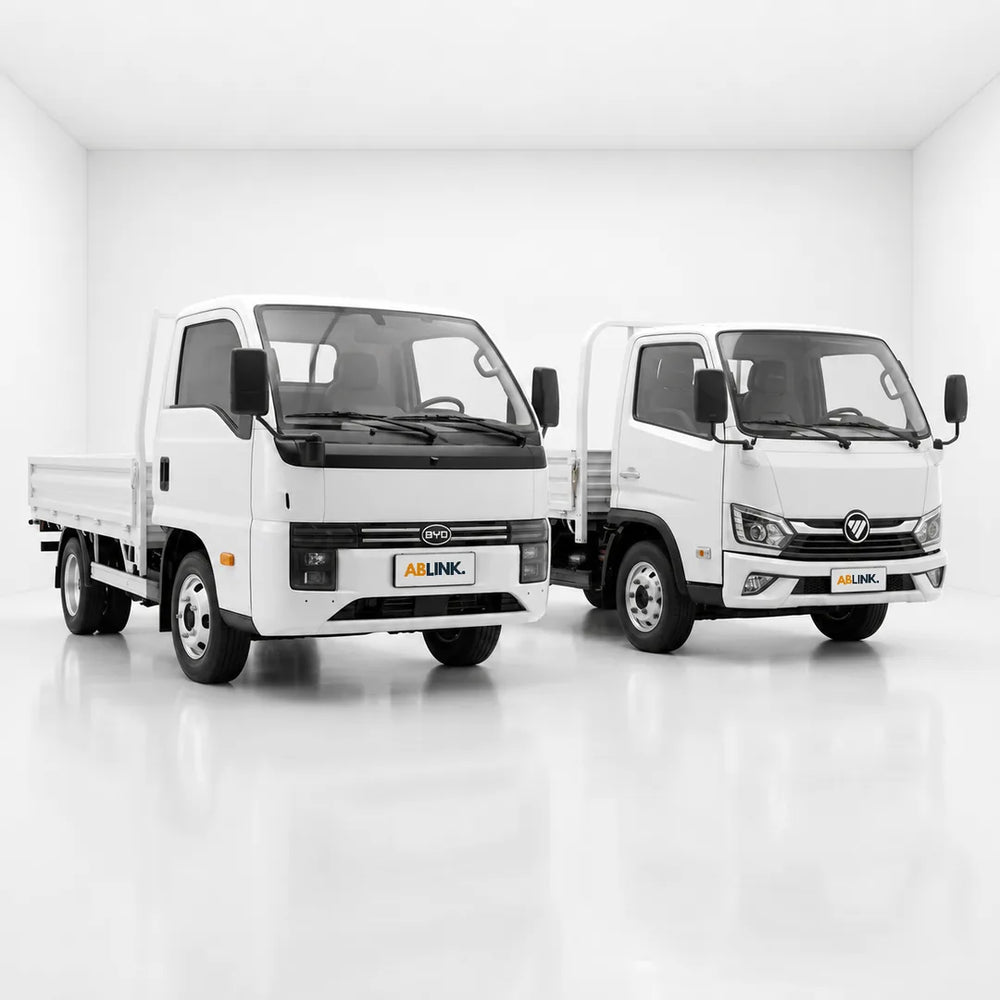
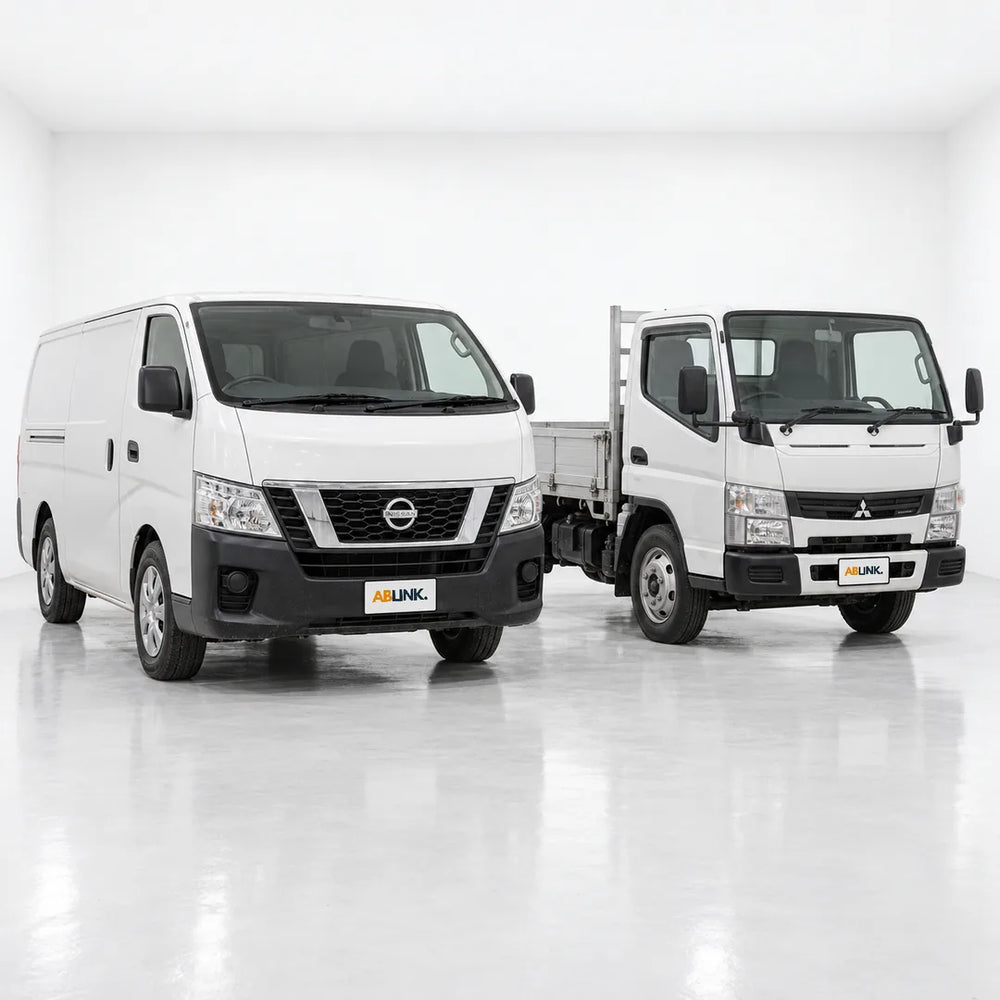
Most Singapore construction firms get the tipper licence wrong before they get the tipper. They assume a 10-wheel tipper needs a Class 5 licence, send the only Class 5 driver on leave, and watch a S$200,000 asset sit idle on a job day. The licence rule is simpler than the rumour — and it changes how you hire.
See the live range first: view ABLINK's tipper truck listings. Then use this guide to match the truck, the licence, and the compliance rules to your site work.
What is a tipper truck and who needs one?
A tipper truck is a heavy goods vehicle with a hydraulic body that lifts to discharge loose material by gravity. Singapore contractors use tippers to move earth, sand, aggregate, demolition debris, and construction waste. The 10-wheel format is the workhorse for earthworks, civil projects, and bulk disposal, where payload and tipping speed decide how many cycles a crew completes each day.
If your work involves moving loose bulk between a site, a depot, and a disposal point, a tipper earns its keep. The decision then narrows to payload class, tipping reliability, and which licence your drivers actually hold. Not sure whether you need a road-legal tipper or an off-road site dumper? Our dumper truck guide separates the three machines contractors call a "dumper".
The licence myth: a tipper is Class 4, not Class 5
A 10-wheel tipper truck requires a Class 4 licence, or Class 4P for an automatic gearbox — not Class 5. The legal test is the vehicle's constructed purpose, not its gross weight. A tipper carries a load, so even a 25-tonne tipper stays in Class 4. Class 5 applies only to vehicles not built to carry any load, such as prime movers. See our heavy truck and prime mover guide for the vehicles that actually need Class 5.
This single fact widens your hiring pool dramatically. Class 4 drivers are far more common than Class 5 holders, so a contractor who understands the rule recruits faster and keeps tippers running. The prerequisite for Class 4 is a valid Class 3 licence, with a minimum age of 21. Confirm the rule against the official SPF driving licence classes before you assign a driver.
ABLINK's 10-wheel tippers compared
ABLINK stocks two proven 10-wheel tippers, both configured for Singapore site work. The Isuzu CYZ52M and the Mitsubishi Fuso FV70 share the same 6x4 ten-wheel layout and heavy-duty tipping hydraulics, but differ in engine philosophy and safety electronics. Match the choice to your duty cycle and your service preference.
| Model | Configuration | Built for | Listing |
|---|---|---|---|
| Isuzu CYZ52M | 6x4, 10-wheel tipper | Heavy earthworks and aggregate haulage | Isuzu CYZ52M 10-wheel |
| Mitsubishi Fuso FV70 | 6x4, 10-wheel tipper | Demanding cycles needing strong stability electronics | Fuso FV70 10-wheel |
Confirm gross vehicle weight, nett payload, and tipping body specification on each live listing, because configuration varies by build. We walk operators through both at the Tagore showroom, matching engine and tipper spec to the material density and cycle count of the actual job.
The VHGV rules that catch operators
A 10-wheel tipper is a Very Heavy Goods Vehicle (VHGV), and several LTA rules apply before it turns a wheel for profit. Miss one, and you face fines or a grounded truck. These rules sit outside the showroom conversation, so first-time tipper buyers are often caught off guard after delivery.
- Vehicle Parking Certificate (VPC): required for vehicles with maximum laden weight above 5,000kg before you operate.
- Blind-spot equipment: vehicles with maximum laden weight above 12,000kg registered from 1 April 2015 need mirrors or camera-monitor systems meeting UN ECE R46 or Japanese Standard JSR 44.
- Speed limiter: because a 10-wheel tipper exceeds 12,000kg maximum laden weight, it is already strictly required by law to have a speed limiter installed and set to a maximum of 60 km/h. Do not confuse this with the recent 2026 phased deadlines, which only apply to lighter lorries under 12,000kg.
- Lorry-restricted roads: tippers used for refuse collection may enter without separate submission; all other tippers must file authorisation with LTA.
Verify each requirement against LTA OneMotoring's commercial vehicle rules before your first job. Our team flags these at quotation, so the compliance cost never surprises you after handover.
COE Category C and total cost
A tipper truck registers under COE Category C, which covers goods vehicles and buses. Category C premiums sat near S$93,000 in mid-June 2026, but fortnightly bidding moves the figure, so confirm the live number before budgeting. Treat the body price and the COE as two separate line items, never a single headline figure.
Two scheme facts protect your budget from outdated advice. The Early Turnover Scheme closed at the end of 2025, so no turnover discount applies to a new tipper. The Commercial Vehicle Emissions Scheme does not cover diesel heavy goods vehicles, so do not expect any CVES rebate on a diesel tipper. Confirm both via the NEA CVES notice. For the COE component, our commercial vehicle financing team can structure it separately from the body price.
Frequently asked questions
What licence do you need to drive a tipper truck in Singapore?
A 10-wheel tipper needs a Class 4 licence, or Class 4P for an automatic gearbox — not Class 5. Because a tipper carries a load, its constructed purpose places it in Class 4 regardless of its gross weight. Class 5 applies only to non-load vehicles such as prime movers.
Why is a tipper Class 4 and not Class 5 when it is so heavy?
Singapore licence classes key off constructed purpose, not gross weight. A tipper is built to carry and discharge a load, so it stays in Class 4 even at 25 tonnes. Class 5 covers only vehicles not constructed to carry any load, like a prime mover hauling a separate trailer.
How many wheels does a tipper truck have?
The standard Singapore site tipper is a 6x4 ten-wheel configuration: two front steering wheels plus four dual rear wheels across a tandem axle. Both the Isuzu CYZ52M and the Mitsubishi Fuso FV70 use this layout. Smaller six-wheel tippers exist but suit lighter, different work.
Do I need a Vehicle Parking Certificate for a tipper?
Yes. A Vehicle Parking Certificate is required for vehicles with maximum laden weight above 5,000kg, which includes every 10-wheel tipper. Arrange the VPC before you operate. LTA also applies blind-spot equipment rules to vehicles above 12,000kg registered from April 2015.
Which COE category does a tipper truck use?
A tipper registers under COE Category C, covering goods vehicles and buses. Premiums move with fortnightly bidding, so confirm the current figure before budgeting. The COE is a separate cost from the body price; always request an itemised quote that lists each one distinctly.
Do diesel tippers qualify for CVES or ETS discounts?
No. The Commercial Vehicle Emissions Scheme covers light commercial vehicles up to 3,500kg maximum laden weight, not diesel heavy goods vehicles. The Early Turnover Scheme closed at the end of 2025. Neither applies to a new diesel tipper, so do not budget any rebate from them.
Choosing the right tipper
Confirm the Class 4 licence rule, match the tipper to your material and cycle count, and budget the VPC, blind-spot, and speed-limiter compliance from the start. Get those right, and your tipper runs from day one with a wider pool of drivers than your competitors assume they need.
Browse ABLINK's tipper truck range to compare the Isuzu CYZ52M and Mitsubishi Fuso FV70, then speak to our team for an itemised quote and a compliance checklist.
Disclaimer: Vehicle body prices exclude COE unless stated. COE premiums change with fortnightly bidding; licence, VPC, blind-spot, speed-limiter, and lorry-restricted-road requirements are subject to LTA, SPF, and NEA rules and approval. Finance is subject to lender approval under the Consumer Protection (Fair Trading) Act (CPFTA). All figures are indicative and current as of June 2026 — confirm the latest specification and pricing with the ABLINK team before purchase.
Published by ABLINK · Singapore commercial-vehicle specialists. SEO, AEO, and GEO content by SingRank.