Quick Overview: What You Need to Know
Business vehicle financing in Singapore allows companies to acquire commercial vans and lorries through structured monthly payments instead of full upfront cash. This financing model helps small and medium enterprises (SMEs) preserve working capital, scale operations faster, and build professional fleets sustainably.
This comprehensive guide covers:
-
Why financing beats cash purchases for most SMEs
-
Types of commercial vehicle loans available in Singapore
-
Step-by-step application process with practical examples
-
Tax considerations for business vehicles in 2025-2026
-
How to choose between financing and leasing
-
Real-world scenarios and best practices
Whether you're a logistics startup needing your first delivery van or an established contractor expanding your fleet of lorries, understanding your financing options is critical for smart capital allocation and competitive advantage in 2025-2026.
What Is Business Vehicle Financing?
Business vehicle financing is a credit arrangement where a financial institution provides funds to help a company purchase a commercial vehicle. The business:
-
Selects a suitable van or lorry for operations
-
Pays a down payment (commonly 10-30% of vehicle price, depending on lender policies and credit profile)
-
Repays the remaining amount through fixed monthly instalments over an agreed tenure (commonly 3-7 years based on individual lender assessment)
The vehicle serves as collateral and is used for business purposes such as goods delivery, construction work, technical services, or passenger transport. Unlike consumer car loans evaluated primarily on personal income, commercial vehicle loans are assessed based on business revenue-generating capacity and operational requirements.
Important Regulatory Context: Commercial vs Private Vehicle Financing
In Singapore, the Monetary Authority of Singapore (MAS) imposes loan-to-value (LTV) and tenure restrictions on private passenger cars, but commercial vehicles are generally exempt from these caps.
Private Passenger Cars (S-plate, Q-plate, RU-plate):
-
Subject to MAS maximum LTV restrictions (typically 60-70% depending on Open Market Value)
-
Subject to MAS maximum loan tenure caps (up to 7 years)
Commercial Vehicles (goods vehicles, vans, lorries, buses):
-
Generally exempt from MAS motor vehicle financing restrictions
-
Actual LTV (commonly up to 70-90%) and tenure (commonly up to 84 months) are determined by individual lender policies and credit assessment, not MAS regulatory ceilings
-
Financing terms subject to business profile evaluation and vehicle asset quality
This regulatory exemption allows commercial vehicle financing to be structured more flexibly than private car loans, making it a strategic advantage for businesses. However, all terms remain subject to lender approval based on comprehensive credit evaluation.
For detailed regulatory information, visit:
Vehicles Commonly Financed in Singapore (2025-2026)
Popular commercial vehicles financed in Singapore include:
Compact Kei Vans
Ideal for urban deliveries, tight parking, and low operating costs:
-
Suzuki Spacia Base - Budget-friendly option for startups
-
Honda N-Van - Versatile compact van
Mid-Size Panel Vans
For established logistics and service businesses:
-
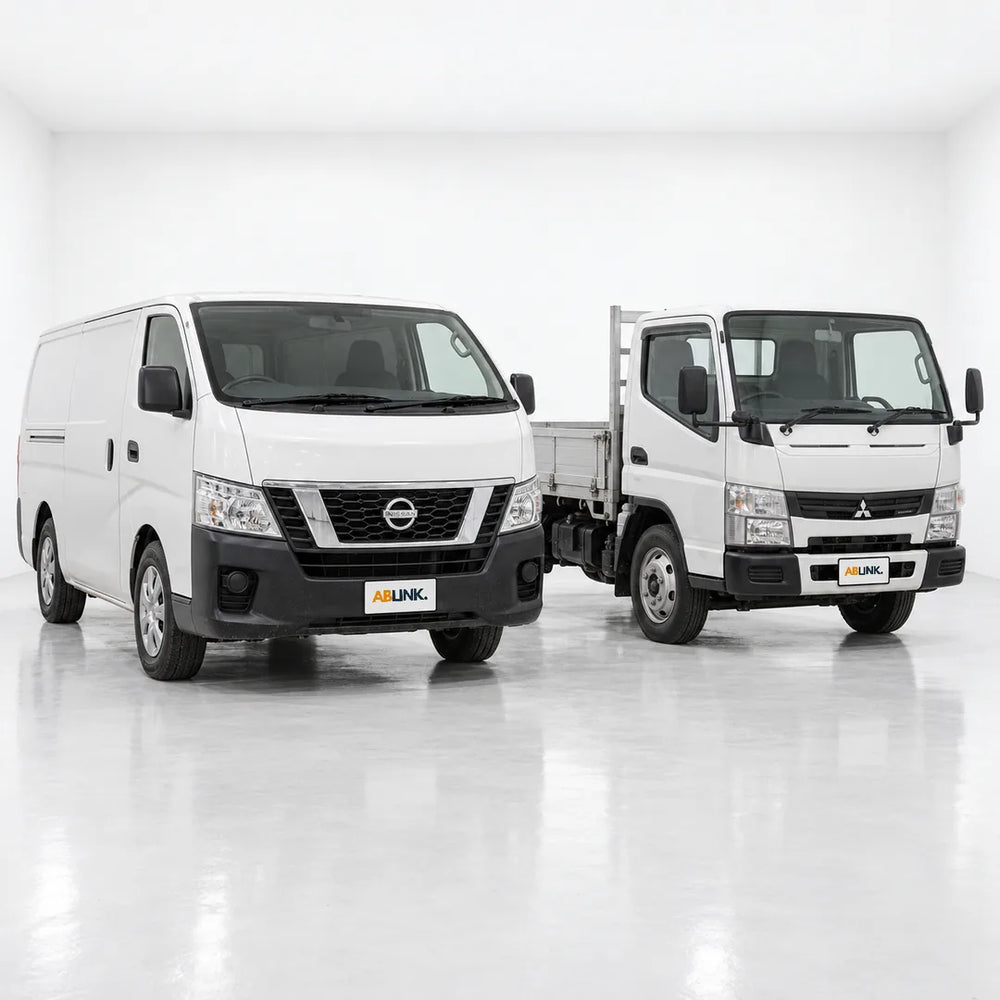
Nissan NV200, Toyota Townace comparison - Proven reliability
Large Capacity Vans
For high-volume cargo or passenger configurations:
-
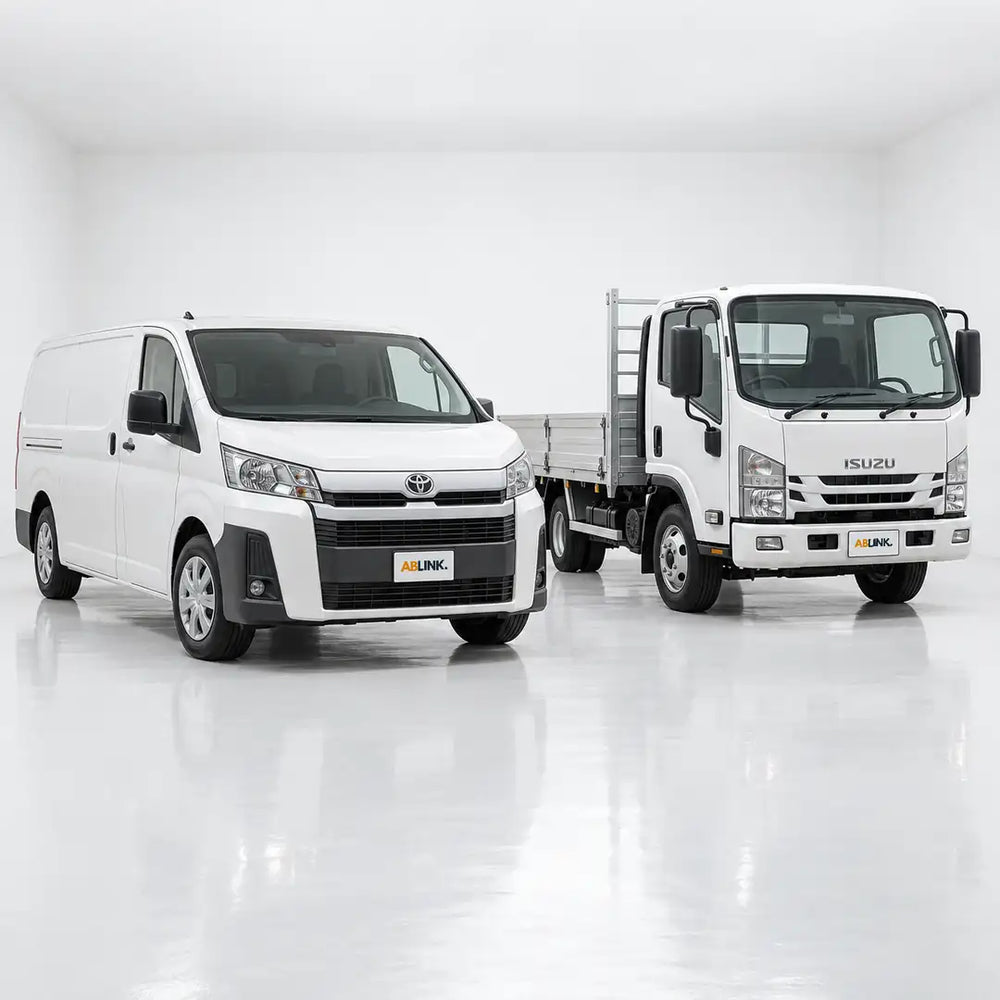
Toyota Hiace vs Nissan NV350 - Premium fleet options
Light Lorries (10ft)
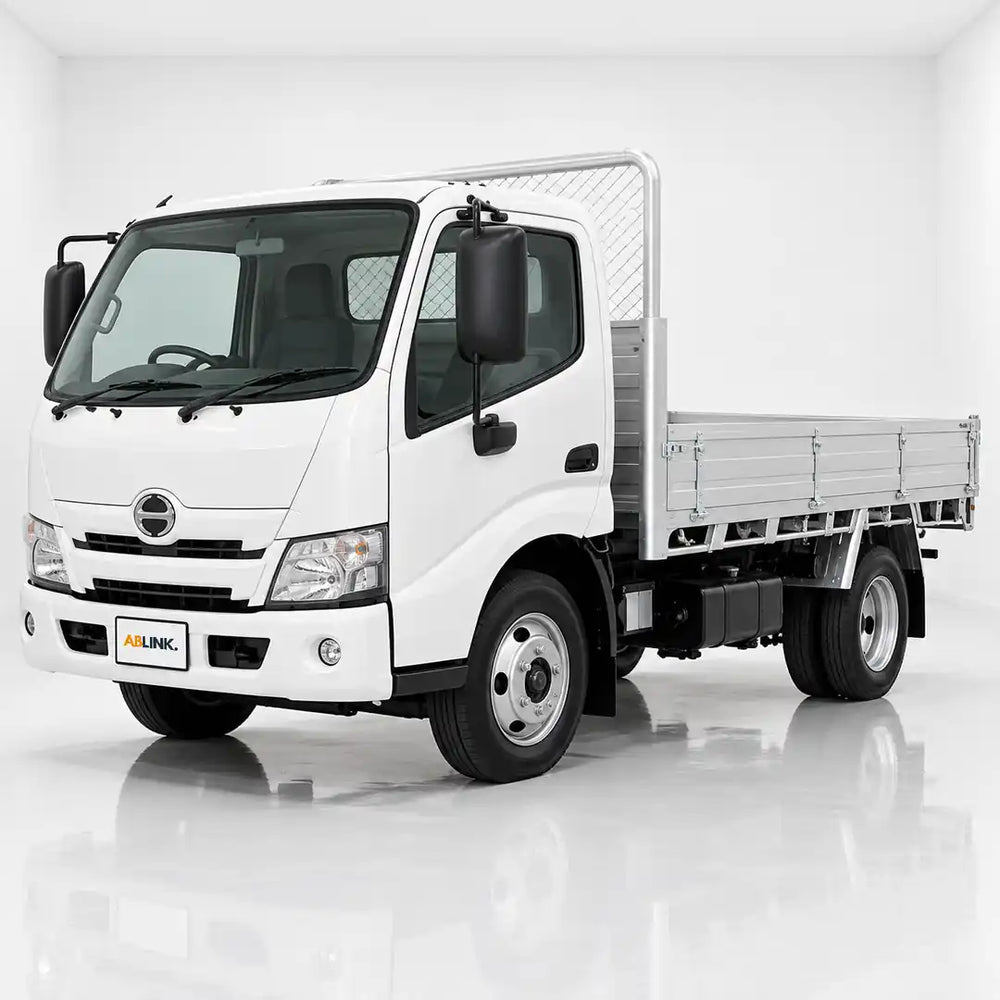
For renovation, catering, and light construction:
Heavy-Duty Lorries (14ft)
For construction, heavy logistics, and moving services:
Electric Commercial Vehicles
For sustainability-focused businesses:
Why Finance Instead of Paying Cash? Strategic Business Reasons
1. Preserve Working Capital for Revenue-Generating Activities
Purchasing a commercial vehicle outright in Singapore can cost SGD 80,000-120,000+ including Certificate of Entitlement (COE) and registration. This capital, when tied up in a depreciating asset, cannot be used for:
-
Inventory purchases that generate immediate sales
-
Staff hiring to support expansion
-
Marketing campaigns to acquire new customers
-
Emergency reserves for unexpected opportunities
By using business vehicle financing, companies can:
-
Keep 70-90% of the vehicle cost as liquid capital
-
Convert vehicle costs into predictable monthly operating expenses
-
Align repayment schedules with revenue generated by the vehicle itself
Real-World Example:
If a delivery company generates SGD 5,000 monthly revenue per van while paying SGD 1,500 in financing costs, the vehicle becomes cash-flow positive from day one, assuming well-managed operating costs.
2. Scale Operations Without Waiting
Waiting to "save up" for each vehicle means:
-
Missing time-sensitive contracts that require immediate fleet capacity
-
Turning down larger projects that need multiple vehicles
-
Giving competitors first-mover advantages in new markets
Financing allows businesses to:
-
Add vehicles when contracts are signed, not months later
-
Expand delivery coverage to island-wide service immediately
-
Replace unreliable aging vehicles before they cause costly breakdowns
This speed-to-market advantage can be the difference between winning or losing major contracts in competitive industries like logistics, F&B delivery, and construction.
3. Tax Efficiency Through Capital Allowances
According to IRAS guidelines on capital allowances, businesses can claim capital allowances on qualifying commercial vehicles (vans, lorries, motorcycles) used for business purposes. This allows companies to:
-
Write off the vehicle cost against taxable profits over time
-
Include COE costs as part of the vehicle's capital expenditure for qualifying commercial vehicles
-
Potentially deduct loan interest as a business expense (subject to IRAS rules and proper documentation)
Tax Disclaimer: The above is general information only, based on IRAS guidelines as of December 2025. Tax treatment varies by business structure, accounting policies, and vehicle classification. Always consult a licensed tax advisor or certified public accountant for advice specific to your situation.
For detailed tax guidance, visit:
4. Build Business Credit History
Consistent, on-time repayments on a commercial vehicle loan help establish a strong business credit profile. This track record becomes valuable when:
-
Applying for larger credit facilities for expansion
-
Negotiating better payment terms with suppliers
-
Seeking investor or bank funding for major projects
For younger companies, a well-managed vehicle loan often represents one of the first concrete signals of financial discipline to the broader market.
Three Main Types of Business Vehicle Financing in Singapore
1. In-House Dealer Financing (ABLINK)
In-house financing means the dealer coordinates the loan process through partner financial institutions licensed by MAS. This creates a one-stop solution.
Key Advantages:
Simplified Process
Choose vehicle, discuss financing, and submit documents all in one place.
Faster Approval Timeline
Dealers with established lender relationships can often facilitate quicker decisions for qualified applicants with well-prepared documentation.
Flexible Terms (Subject to Lender Policies)
-
Tenures commonly range from 12-84 months based on business profile and lender assessment
-
LTV commonly reaches 70-90% for qualified buyers (actual terms depend on creditworthiness and vehicle type)
-
Customizable structures to match business cash flow patterns
Trade-In Support
Existing vehicles can be appraised and used toward down payment via ABLINK's sell-vehicle service.
Integrated Solution
Vehicle selection, financing arrangement, and insurance placement coordinated under one roof.
Best For:
SMEs prioritizing speed and convenience, startups needing flexible documentation, businesses wanting integrated vehicle + financing + insurance solutions.
ABLINK offers in-house financing for its full range including new vehicles, used commercial vans, lorries, and electric vehicles.
2. Traditional Bank Commercial Vehicle Loans
Banks like DBS, OCBC, and UOB offer commercial vehicle loans as part of their SME banking products.
Typical Characteristics:
-
Standardized application processes with formal documentation requirements
-
Strong focus on audited financial statements and banking history
-
Loan-to-value ratios typically around 70-90% for strong business profiles
-
Approval timelines of 5-10 working days
-
Competitive rates for companies with strong financials and established track records
Best For:
Established companies (3+ years operating history) with audited accounts, strong existing banking relationships, and ability to wait for formal approval processes.
Learn more:
3. Finance Companies and Alternative Lenders
Specialist finance companies regulated by MAS provide an intermediary option with different risk appetites.
Key Features:
-
More flexible credit assessments focusing on asset value and business contracts
-
Faster processing (1-3 days) compared to large banks
-
Willingness to finance older vehicles or newer businesses
-
Pricing structures that reflect higher flexibility and risk accommodation
Best For:
Companies with shorter operating histories, non-standard financial profiles, or vehicles that fall outside typical bank criteria.
ABLINK works with a panel of finance partners to match applicants with suitable options based on individual circumstances and business needs.
Understanding COE Financing for Commercial Vehicles
Is COE Included in the Loan?
Commercial vehicle financing in Singapore typically covers the On-Road Price (ORP), which includes:
-
Vehicle body price
-
Certificate of Entitlement (COE) at current market rates
-
Registration fees and administrative costs
-
Basic insurance coverage (depending on package)
According to IRAS guidelines, expenditure incurred on obtaining a Certificate of Entitlement (COE) to acquire a motor vehicle is part of the cost of the motor vehicle and can be included when claiming capital allowances for qualifying commercial vehicles.
COE Renewal Financing
When vehicles reach 10 years, businesses can renew COE for another 5-10 years by paying the Prevailing Quota Premium (PQP). Many businesses don't realize this cost can also be financed, making it cost-effective to extend the life of reliable vehicles rather than purchasing new.
For current COE bidding results and historical trends:
What Lenders Assess in Commercial Vehicle Loan Applications
Regardless of financing channel, most providers evaluate similar criteria when assessing business vehicle financing applications.
1. Business Profile & Viability
-
Legal structure (Pte Ltd, Partnership, Sole Proprietor)
-
Industry sector (logistics, construction, F&B, services)
-
Operating history (typically prefer 1-2+ years, though startups can apply)
-
ACRA business registration status and compliance
Sectors with clear vehicle dependency (delivery, construction, logistics) often find it easier to demonstrate business rationale and operational necessity.
Verify business registration:
2. Financial Capacity
-
Recent company bank statements (typically 3-6 months)
-
Revenue trends and basic profitability indicators
-
Existing debt obligations and monthly commitments
-
Debt Service Coverage Ratio (DSCR) - whether income comfortably covers all debt payments
3. Director/Guarantor Information
For SMEs, especially newer companies, lenders typically require:
-
NRIC/Passport of directors
-
Personal credit history review
-
Personal guarantees (common practice for SME financing in Singapore)
4. Vehicle Asset Quality
The vehicle itself is assessed for:
-
Type and model (popular models with strong resale value preferred)
-
Age and condition (for used vehicles)
-
Market demand and liquidity in secondary market
Popular models like Nissan NV200, Toyota Hiace, and standard 10ft/14ft lorries typically receive favorable assessment due to proven reliability and strong secondary markets.
Step-by-Step: Applying for Business Vehicle Financing at ABLINK
ABLINK's process is designed for transparency, efficiency, and operational fit.
Step 1: Operational Needs Assessment
The conversation starts with what your business needs, not just "which vehicle do you want."
Key Questions:
-
What cargo will you transport (size, weight, volume)?
-
Typical routes and distances?
-
Parking constraints and height restrictions?
-
Growth plans for the next 2-3 years?
-
Budget and cash flow considerations?
Recommendations Based on Use Case:
Urban Delivery/Courier
Suzuki Spacia Base, Honda N-Van
Established Logistics
Nissan NV200, Toyota Townace
Passenger/High-Volume Cargo
Toyota Hiace, Nissan NV350
Light Construction/Renovation
10ft Lorries
Heavy Logistics/Moving
14ft Lorries
Sustainability Focus
Electric Vans
Browse all options at ABLINK's vehicle collection
Step 2: Financing Scenario Modeling
ABLINK walks through multiple scenarios:
Shorter Tenure (36-60 months)
Lower total interest, higher monthly instalments
Longer Tenure (72-84 months, subject to lender policies)
Maximum monthly cash flow flexibility, higher total interest over loan life
Varying Down Payments (10%, 20%, 30%)
Balance between working capital preservation and monthly affordability
The goal: create a financing structure your business can sustain comfortably even during slower months.
Step 3: Document Preparation
For Established Businesses (2+ years):
-
Current ACRA BizFile profile
-
Company bank statements (3-6 months)
-
Recent financial statements or management accounts
-
Director NRIC/Passport copies
For Newer Businesses (Less than 2 years):
-
Business registration and business plan
-
Signed contracts or purchase orders demonstrating vehicle necessity
-
Director personal financial statements
-
Bank statements (personal and business, 3-6 months)
Step 4: Application Submission & Credit Assessment
ABLINK submits your application through priority channels with partner lenders (all licensed by MAS). For well-prepared applications with strong profiles, conditional approvals can often be achieved within the same business day, subject to individual lender credit criteria and workload.
Step 5: Approval, Signing & Vehicle Handover
Once approved:
-
Review and sign loan documents
-
Pay down payment (trade-ins handled via ABLINK's vehicle selling service)
-
ABLINK processes LTA registration and motor insurance
-
Vehicle handover with full orientation and warranty documentation
-
Repayment schedule begins according to agreed terms
Financing vs. Leasing: Which Structure Fits Your Business?
ABLINK offers both purchase financing and commercial vehicle leasing, allowing you to choose based on business needs.
When Financing (Purchase) Makes Sense
✅ Want asset ownership and equity building
✅ High annual mileage (leasing often has mileage caps)
✅ Need extensive customization (shelving, refrigeration, branding)
✅ Tax planning priority (capital allowances and depreciation)
✅ Long-term operations (7-10+ years)
When Leasing Is Better
✅ Zero maintenance surprises (servicing/road tax/insurance bundled)
✅ Off-balance-sheet preference (OpEx vs CapEx)
✅ Fleet flexibility (easy scaling up/down)
✅ Short-term needs (6-24 months)
✅ Want latest models without long commitment
Hybrid Fleet Strategy
Many businesses run a mixed model: financing core long-term vehicles while leasing for seasonal peaks or project-based work. ABLINK can structure cohesive strategies combining both approaches.
Learn more at ABLINK's leasing solutions page
Frequently Asked Questions
Can new businesses (less than 1 year) get financing?
Yes, though approval depends on:
-
Directors' personal credit profiles
-
Business plan and signed contracts showing vehicle necessity
-
Higher down payment (20-30%) to mitigate risk
-
Industry sector and growth potential
ABLINK works with finance partners experienced in supporting startups across logistics, F&B delivery, and construction sectors.
Are used commercial vehicles eligible?
Absolutely. ABLINK offers financing for both new and used commercial vehicles, often with competitive terms on quality pre-owned units.
Do you accept trade-ins with outstanding loans?
Yes. ABLINK's vehicle selling service handles:
-
Vehicle appraisal
-
Outstanding loan settlement coordination with existing lender
-
Net equity application toward new down payment
This simplifies transitions from older to newer vehicles without manual loan settlement.
What insurance is required?
Comprehensive commercial motor insurance is mandatory for financed vehicles. ABLINK provides motor insurance assistance to ensure proper coverage at competitive rates.
Can I pay off early?
Most financing structures allow early repayment, though some partners may charge modest administrative fees (typically 1-2% of outstanding balance). Check specific terms during application and before signing.
How are electric vehicles financed?
Electric commercial vehicles qualify for the same financing structures. Additional government incentives under schemes like CVES (Commercial Vehicle Emissions Scheme) may be available, potentially reducing net financed amounts. ABLINK's team provides guidance on available EV incentives.
For government EV schemes and incentives:
Why Choose ABLINK for Business Vehicle Financing
Comprehensive Vehicle Selection
Budget-Friendly: Suzuki Spacia Base, Honda N-Van
Reliable Workhorses: Nissan NV200, Toyota Hiace
Light Lorries: 10ft Configurations
Heavy-Duty: 14ft Platforms
Green Options: Electric Vehicles
Quality Used Units: Used Vans for Sale
Browse at ABLINK's complete collection
Full-Service Ecosystem
Vehicle Consultation: Choosing the right vehicle based on operations
Financing Facilitation: Application and approval coordination with MAS-licensed partners
Trade-In Services: Professional appraisal and settlement
Insurance Placement: Competitive motor insurance
Leasing Alternatives: Flexible leasing options
Expert Market Knowledge
ABLINK's team brings deep understanding of:
-
COE bidding cycles and optimal timing
-
Vehicle configurations for specific industries
-
LTA/NEA compliance requirements
-
Total cost of ownership calculations
-
Fleet expansion strategies
This expertise is reflected in comprehensive guides including commercial van comparisons, lorry buying guides, and EV adoption insights.
Take Action: Get Your Business Vehicle Financing Quote Today
Don't let capital constraints limit your business growth. ABLINK's financing solutions, flexible terms, and comprehensive support mean you can get operational vehicles faster while preserving working capital.
Contact ABLINK
Showroom:
421 Tagore Industrial Avenue
Tagore 8 Building, #02-13
Singapore 787805
Sales Hotline / WhatsApp:
+65 8946 8228
Email:
sales@ablink.sg
Hours:
Mon-Fri: 9:00 AM – 6:00 PM
Sat: 9:00 AM – 5:00 PM
Sun: By Appointment
Explore Online
View All Vehicles
Get Trade-In Quote
Leasing Options
Vehicle Selection Guide
Read More Guides
Important Regulatory Disclaimers
Rate & Terms: All financing terms mentioned are indicative and subject to credit approval, vehicle selection, and market conditions. Not all applicants or vehicles qualify for maximum LTV, tenure, or advertised terms. Actual financing terms are determined by individual lender policies and comprehensive credit assessment.
Regulatory Compliance: ABLINK Pte Ltd (UEN: 202346844C) is a commercial vehicle dealer. All financing is facilitated through partner financial institutions licensed by the Monetary Authority of Singapore (MAS). This article provides general information only and does not constitute financial advice, credit advice, or tax advice.
Tax Information: Tax content is for general education based on IRAS guidelines as of December 2025. Tax treatment varies by business structure, accounting treatment, and vehicle classification. Consult a licensed tax advisor for specific advice.
Privacy: By submitting enquiries, you acknowledge data collection under Singapore's Personal Data Protection Act (PDPA) for credit assessment and vehicle purchase facilitation.
External Resources:
End of Guide
This guide was last updated on December 19, 2025. Market conditions, COE prices, interest rates, government schemes, and regulatory requirements may change. Always verify current information with official sources and licensed professionals before making financing decisions.