Singapore SMEs lose money the moment a 24ft lorry sits idle. The wrong tonnage strands half your payload at the kerb. The wrong licence class parks the lorry while your driver waits on Class 4 lessons. Pick the truck before you understand the weight class, and you almost always pick wrong.
Browse the heavy-rigid range first: view ABLINK's 24ft lorry listings. Then use this guide to match tonnage, licence, and total cost to the job.
What counts as a 24ft lorry in Singapore?
A 24ft lorry is a heavy rigid goods vehicle with a roughly 24-foot cargo body, sold in payload tiers the trade labels 6-ton, 7-ton, and 10-ton. These labels describe usable payload class, not gross vehicle weight. A 24ft lorry sits well above the 3,500kg light-goods ceiling, so it operates in heavy-goods territory under LTA classification.
Confirm the exact gross vehicle weight, body length, and nett payload on each model's live listing, because specification varies by body fit-out and axle configuration. The "ton" on the badge is a market shorthand; the registered maximum laden weight on the LTA log card is the figure that governs what you may legally carry.
6-ton vs 7-ton vs 10-ton — which payload fits your job
Choose tonnage by your heaviest regular load, not your average load. A 6-ton lorry suits general distribution and mid-weight building materials. A 7-ton class adds margin for denser cargo. A 10-ton lorry handles aggregates, bulk pallets, and full-volume runs where a smaller truck would overload before it fills.
| Model | Payload class | Typical use | Listing |
|---|---|---|---|
| Isuzu FRR90 | 6-ton | General distribution, mid-weight materials | Isuzu FRR90 6-ton |
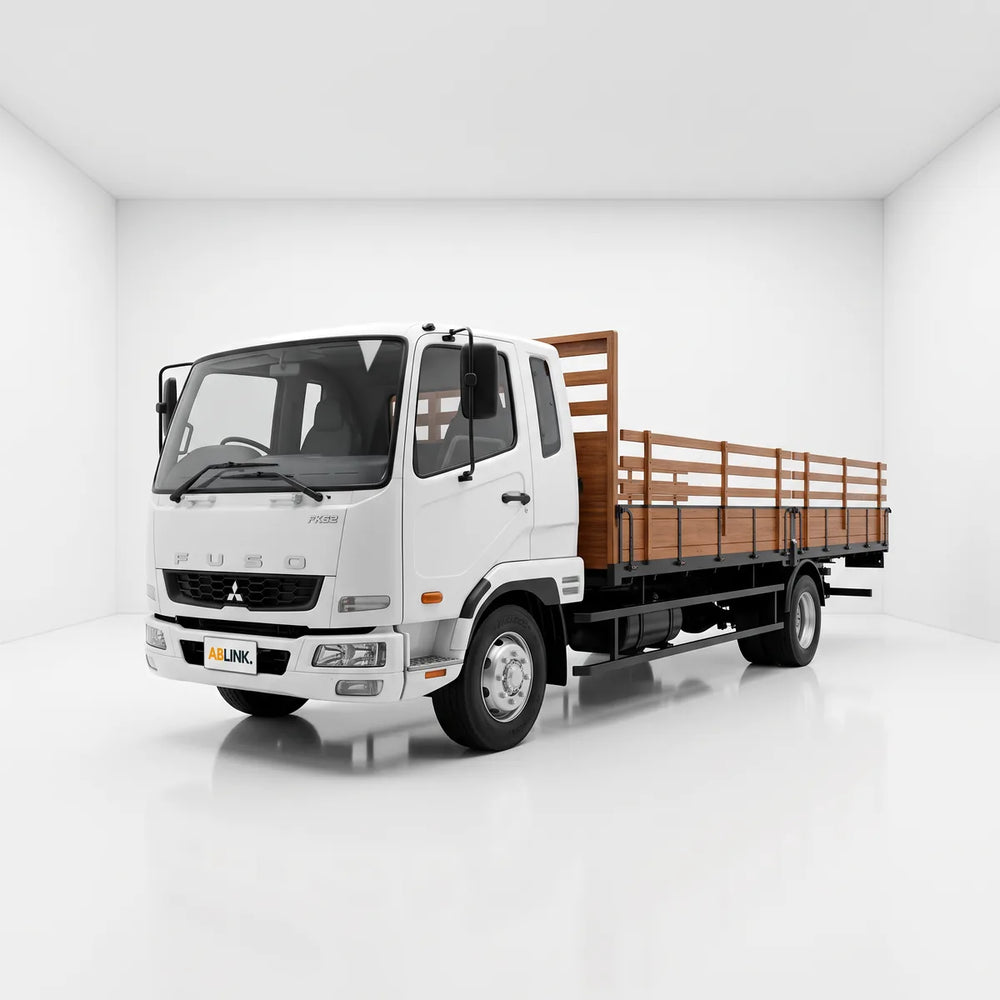
| Mitsubishi Fuso FK62 | 7-ton class | Denser cargo, longer hauls with margin | Fuso FK62 (7-ton) |
| Isuzu FVR90 | 10-ton | Aggregates, bulk pallets, full-volume runs | Isuzu FVR90 10-ton |
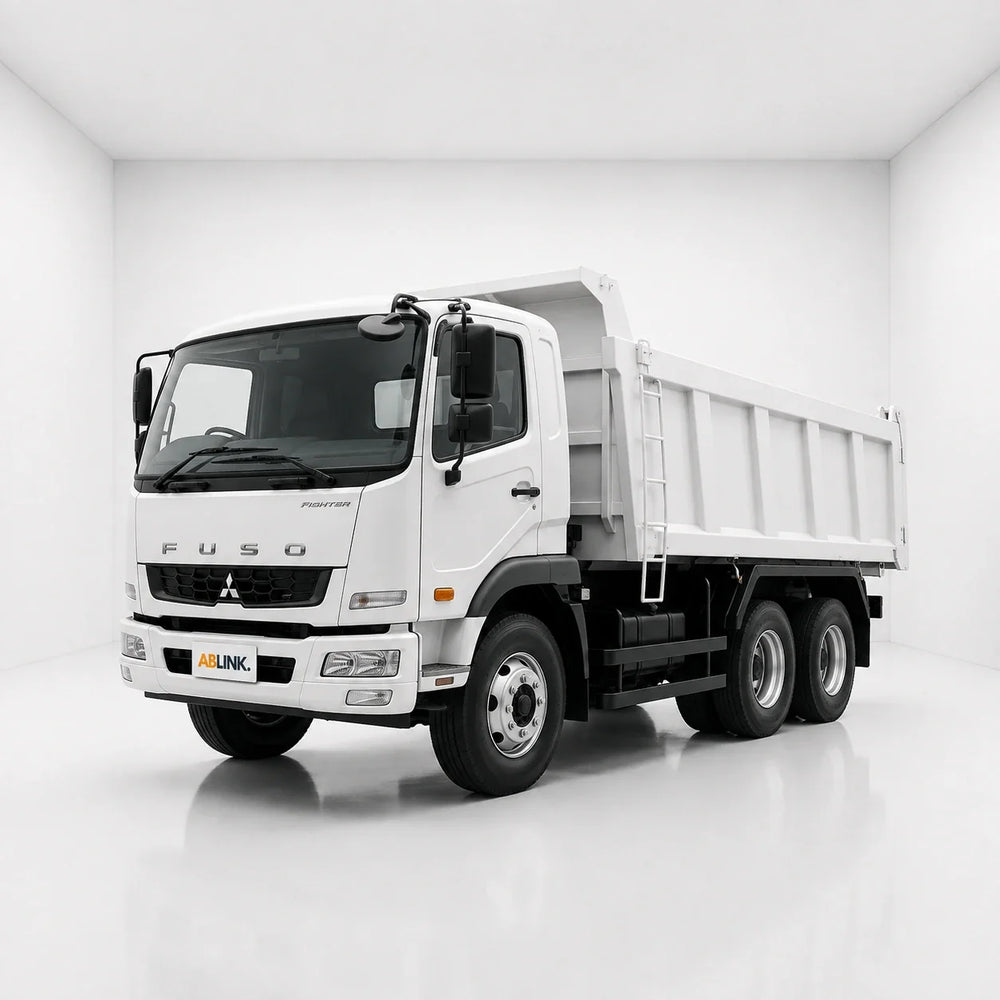
| Mitsubishi Fuso FM65 | 10-ton | Heavy-duty haulage, demanding duty cycles | Fuso FM65 10-ton |
Over-specifying tonnage wastes capital and fuel on capacity you never use. Under-specifying forces a second trip or an overloaded axle. We size to the heaviest recurring load at our Tagore showroom, then confirm the registered payload against the log card before any handover.
What licence do you need to drive a 24ft lorry?
A 24ft lorry requires a Class 4 driving licence, or Class 4P for an automatic gearbox. Singapore's Class 3 and 3A cover internal-combustion goods vehicles only up to 2,500kg unladen weight. A 6-to-10-ton lorry sits far above that threshold, so it never qualifies for Class 3 operation, regardless of who is driving.
The Traffic Police introduced Class 4P, the automatic-transmission heavy-vehicle class, progressively from 1 September 2025. Note the legal test: licence class keys off the vehicle's constructed purpose and unladen weight, not its loaded weight. Assigning a Class 3 driver to a Class 4 lorry voids commercial insurance the moment a claim arises, so verify every driver's class before dispatch. See the official SPF driving licence classes, and read our deeper breakdown of Class 3 vs Class 4 licences.
COE, road tax and the rules that bite
A 24ft lorry registers under COE Category C, which covers goods vehicles and buses. Category C premiums sat near S$93,000 in mid-June 2026, but bidding moves fortnightly, so confirm the live figure before you budget. Crucially, the body price and the COE are separate costs; never read a single headline number as the full picture.
Three current rules shape ownership. First, speed limiters are mandatory and enforced on a phased schedule by registration date and maximum laden weight — confirm your vehicle's specific deadline with LTA/TP, as compliance deadlines run through 2026 and 2027. A non-compliant lorry cannot renew its road tax, which strands the asset entirely. Second, the Early Turnover Scheme has closed, so no turnover discount applies to a new diesel lorry today. Third, the Commercial Vehicle Emissions Scheme does not cover diesel heavy goods vehicles, so do not budget any CVES rebate against these models. Verify each rule via LTA OneMotoring and the NEA CVES notice. If financing the purchase, our COE and commercial vehicle financing team can structure the COE component separately.
New vs used — when each makes sense
Buy new when uptime, warranty, and a known service history protect a heavy-duty cycle. A new 24ft lorry carries full manufacturer backing and meets current emission and safety mandates from day one. That matters when a single breakdown can reschedule a week of deliveries. Used suits a tight budget or a low-mileage standby unit.
For a working fleet that runs daily, the maths usually favours new: predictable maintenance, no inherited wear, and compliance handled at registration. We help operators weigh both paths against duty cycle and cash flow, rather than pushing a single answer.
Frequently asked questions
What licence do you need to drive a 24ft lorry in Singapore?
You need a Class 4 licence, or Class 4P for an automatic gearbox. Class 3 and 3A only cover internal-combustion goods vehicles up to 2,500kg unladen weight, and a 6-to-10-ton lorry sits far above that limit. Confirm each driver's class before dispatch to keep commercial insurance valid.
How much can a 10-ton lorry actually carry?
The "10-ton" label refers to payload class, not a flat 10,000kg legal limit. Usable payload depends on the body and equipment weight subtracted from gross vehicle weight, and the registered maximum laden weight on the LTA log card sets the legal ceiling. Confirm the exact figure on the model's listing.
What is the difference between a 6-ton and a 10-ton lorry?
A 6-ton lorry suits general distribution and mid-weight materials, while a 10-ton lorry handles aggregates, bulk pallets, and full-volume runs. The 10-ton class carries a higher gross vehicle weight and usable payload. Both require a Class 4 or 4P licence and register under COE Category C.
Which COE category does a 24ft lorry use?
A 24ft lorry registers under COE Category C, covering goods vehicles and buses. Category C premiums move with fortnightly bidding, so confirm the current figure before budgeting. Remember that the COE is a separate cost from the vehicle body price; treat them as two distinct line items.
Do I need a speed limiter on a 24ft lorry?
Yes, but the compliance deadline depends on your lorry's registration date and maximum laden weight (MLW). Lorries registered before 1 January 2018 with MLW between 5,001kg and 12,000kg were required to comply by 1 January 2026. Lorries in the 3,501kg–5,000kg MLW bracket (registered before 2018) have a deadline of 1 July 2026. Lorries registered on or after 1 January 2018 have deadlines in 2027. A non-compliant lorry cannot renew its road tax. Confirm your specific vehicle's deadline via the SPF speed limiter announcement before purchase or transfer.
Do 24ft diesel lorries qualify for any CVES rebate?
No. The Commercial Vehicle Emissions Scheme applies to light commercial vehicles up to 3,500kg maximum laden weight, not diesel heavy goods vehicles. Do not budget a CVES rebate against a 24ft diesel lorry. The Early Turnover Scheme has also closed, so no turnover discount applies to a new purchase.
Is the body price the same as the total cost?
No. The body price covers the vehicle hardware only. The COE, registration fee, road tax, and any financing sit on top. Always ask for an itemised breakdown that separates the body price from the COE, so you can compare models accurately as premiums move.
Choosing the right 24ft lorry
Match the heaviest recurring load to the tonnage, confirm the driver's licence class, and budget the body price and COE as separate figures. Get those three right, and a 24ft lorry earns from day one instead of sitting idle.
Browse ABLINK's 24ft lorry range to compare the Isuzu FRR90, Fuso FK62, Isuzu FVR90, and Fuso FM65. Then speak to our team at the Tagore showroom to confirm payload, licence fit, and an itemised quote.
Disclaimer: Vehicle body prices exclude COE unless stated. COE premiums change with fortnightly bidding; licence, road tax, speed-limiter compliance, and any scheme eligibility are subject to LTA, SPF, and NEA rules and approval. Finance is subject to lender approval under the Consumer Protection (Fair Trading) Act (CPFTA). All figures are indicative and current as of June 2026 — confirm the latest specification, payload, and pricing with the ABLINK team before purchase.
Published by ABLINK · Singapore commercial-vehicle specialists. SEO, AEO, and GEO content by SingRank.
Dedicated guides for the Fuso platforms
The two Fighter platforms compared above each have a full guide covering the decision that separates them.
- Fuso Fighter FK62: right-sizing the chassis to your actual payload
- Fuso Fighter FM65: why movers choose it for chassis behaviour