Singapore's Heavy Vehicle Zero Emissions Scheme (HVZES) — S$15k or S$40k depending on weight for vehicles registered from September 2026 — and the S$30k Electric Heavy Vehicle Charger Grant (EHVCG) launched on 1 January 2026 — but most van operators searching for these grants do not actually qualify. The scheme targets heavy goods vehicles above 3,500kg Maximum Laden Weight, which excludes nearly every electric van sold in Singapore. Light commercial vehicle owners should pursue the Commercial Vehicle Emissions Scheme (CVES) Band A rebate of S$15,000 instead.
Key Takeaway
HVZES = S$15k or S$40k by weight for zero-emission HGV/bus with MLW above 3,500kg, valid 1 Jan 2026 to 31 Dec 2028; for registrations with a COE from September 2026, S$15k at 3,501–7,000 kg and S$40k above 7,000 kg (LTA news release)
EHVCG = up to S$30,000 per charger, co-funds 50% of installation, first 500 chargers only (LTA charger grants)
Van operators (under 3,500kg MLW) qualify for CVES Band A S$15,000 rebate, not HVZES — verify your vehicle's MLW on the vehicle log card
Disbursement is staggered: three tranches over two years; from September 2026 the 3,501–7,000 kg band gets three S$5k tranches (S$15k) and vehicles above 7,000 kg get S$40k
Quick Reference: Which Grant Applies to You
Source: LTA Strengthening Singapore's EV Ecosystem, 5 March 2025.
What Is the Heavy Vehicle Zero Emissions Scheme (HVZES)?
HVZES is an incentive for owners who register a zero-tailpipe emissions heavy goods vehicle, bus, or goods-cum-passenger vehicle with Maximum Laden Weight exceeding 3,500kg. For vehicles registered with a COE from September 2026 it pays S$15k at 3,501–7,000 kg MLW, in three S$5k tranches, and S$40k above 7,000 kg (LTA). The scheme runs from 1 January 2026 until 31 December 2028. Disbursement happens automatically over three years — owners do not submit a separate application form.
How HVZES Disbursement Works
Under the original scheme, the S$40k incentive was paid in three tranches over two years, according to LTA's 5 March 2025 announcement. For vehicles registered with a COE from September 2026, the amount depends on weight: S$15k in three S$5k tranches at 3,501–7,000 kg MLW, and S$40k above 7,000 kg (LTA). The structure encourages long-term operation rather than fleet flipping. Transfer of ownership before the second anniversary forfeits remaining tranches, which means SMEs must factor lock-in into financing decisions.
What "Maximum Laden Weight" Actually Means
Maximum Laden Weight (MLW) is the maximum total mass a vehicle is approved to carry — including the unladen weight, passengers, and cargo — as registered with LTA. The 3,500kg threshold separates Light Commercial Vehicles from Heavy Goods Vehicles in Singapore's classification. A vehicle with 1,500kg unladen weight and 2,000kg payload capacity has 3,500kg MLW and falls just below the HVZES line. Operators must check the vehicle log card or OneMotoring vehicle records to confirm MLW before assuming eligibility.
Why HVZES Targets HGVs Specifically
Heavy goods vehicles produce roughly 60% of road transport emissions despite making up under 5% of the vehicle population, according to LTA's transition rationale. The HVZES incentive (S$15k or S$40k by weight) plus the S$30k charger grant addresses the higher capital barrier and longer payback period for HGV electrification. Light commercial vans already have viable rebate pathways through CVES Band A. The trade-off: HGV operators benefit substantially, but bus and HGV inventory in Singapore remains thin compared to LCV options.
What Is the Electric Heavy Vehicle Charger Grant (EHVCG)?
EHVCG co-funds up to 50% of charger installation costs, capped at S$30,000 per charger, for the first 500 chargers approved between 1 January 2026 and 31 December 2028. Each charger must be tagged to a specific eHV registration to prevent duplicate claims. The grant covers DC fast chargers with minimum 50kW power rating that meet LTA Smart Charger specifications.
EHVCG Charger Power and Type Requirements
Eligible chargers must have a minimum power rating of 50kW and qualify as Smart Chargers under LTA specifications, according to the LTA Charger Grants page. Smart Chargers must support remote monitoring, dynamic load management, and connection to the National Electric Vehicle Charging Hub. Standard 7kW or 22kW AC chargers used for passenger EVs do not qualify. The 50kW DC threshold reflects the higher energy demand of heavy vehicle batteries that typically range from 80kWh to 250kWh.
Per-Site and Per-Applicant Caps
EHVCG is granted for up to three chargers per site regardless of how many eHVs the applicant registers. An operator who registers six eHVs and installs six chargers at one location receives co-funding for only three. The same operator splitting installation across two locations — three chargers each — qualifies for all six. The structure prevents over-concentration at single depots while encouraging geographic distribution. Operators must plan charger deployment around this rule before signing installation contracts.
Charger Location and Ownership Rules
Chargers must be installed at the applicant's place of business, which includes headquarters, site office, client site, or designated heavy vehicle parks. Applicants do not need to own the property — landlord approval via signed Letter of Confirmation is sufficient. The applicant also does not need to own the charger. Publicly accessible chargers must be operated by a Licensed Electric Vehicle Charging Operator (EVCO). The flexibility allows logistics firms to install chargers at client warehouses or shared depot facilities.
Why Most Van Operators Apply to the Wrong Grant ★
Most light commercial vehicles sold in Singapore — including the Toyota Proace electric van and similar LCV electrics on ABLINK's marketplace — fall below the 3,500kg MLW threshold. These models qualify for the Commercial Vehicle Emissions Scheme (CVES) Band A electric vehicle rebate of S$15,000, not HVZES. Confusion between the two schemes leads operators to wait for HVZES disbursements they will never receive while missing the simpler CVES rebate at registration.
CVES Band A: The Right Grant for Most Van Operators
The CVES Band A rebate provides S$15,000 for fully electric light commercial vehicles, applied directly at registration as an Additional Registration Fee offset. According to LTA's CVES extension announcement dated 30 December 2024, the rebate remains valid until 31 March 2027. Band C surcharge for diesel commercial vehicles increased from S$15,000 to S$20,000 effective 1 April 2025. Net swing for switching from diesel to EV in the LCV segment now exceeds S$35,000 in COE-related cost difference.
EEAI: Stackable ARF Rebate Until 2027
The Electric Vehicle Early Adoption Incentive (EEAI) provides an additional Additional Registration Fee rebate capped at S$7,500 for fully electric LCVs, stackable on top of CVES Band A. Both incentives apply at registration without separate application paperwork. EEAI ceases for new registrations on 1 January 2027. Operators considering LCV electrification within the next 18 months capture the maximum stacked benefit. After 2027, only CVES Band A remains for LCVs.
Verifying Your MLW Before Application
The vehicle log card lists Maximum Laden Weight, Unladen Weight, and Power Rating in the header section. Owners can also retrieve this data from OneMotoring's My Vehicle Records using SingPass. If MLW reads 3,500kg or below, the vehicle is an LCV — apply CVES Band A and EEAI thinking. If MLW exceeds 3,500kg, the vehicle is an HGV — HVZES and EHVCG apply. The trade-off: vehicle classification cannot be reclassified to qualify for higher grants. Specifications are determined at type approval.
Step-by-Step: How to Claim HVZES (For Genuine HGV Operators)
HVZES has no separate application form — disbursement is automatic upon zero-emission HGV registration. The eligibility checks happen during the Vehicle Registration Number assignment process. The complexity lies upstream: choosing a vehicle that qualifies, financing the purchase, and securing charger infrastructure before the vehicle arrives.
Step 1: Confirm Vehicle Qualifies as Zero-Tailpipe HGV
Verify the vehicle is fully battery electric or hydrogen fuel cell — hybrids do not qualify. Check that Maximum Laden Weight on the manufacturer specification exceeds 3,500kg. Goods-cum-passenger vehicles qualify, which means heavy mini-buses and crew transport HGVs are eligible. Light passenger vans below 3,500kg do not qualify regardless of zero-emission status. Cross-check the vehicle's COE category — HGVs typically register under Category C.
Step 2: Plan Charger Infrastructure Before Registration
EHVCG requires the charger application to be tied to a specific eHV registration. Operators should secure landlord approval for charger installation, obtain a Licensed Electrical Worker quote, and confirm 50kW Smart Charger specifications before vehicle delivery. The charger does not need to be installed before registration, but the application timeline benefits from parallel preparation. Site assessment typically takes 4–6 weeks for power upload feasibility.
Step 3: Register the Vehicle and Receive Tranche 1
Upon successful registration, the first tranche disburses automatically to the registered owner (S$5k for a 3,501–7,000 kg vehicle registered with a COE from September 2026). The remaining tranches follow at the first and second anniversaries. Operators should retain the registration documents, financing agreements, and HVZES tranche records for accounting purposes — these become input for capital allowance claims under the IRAS commercial vehicle tax framework. Combined HVZES disbursement plus tax savings strengthens the vehicle's first three years of cost recovery.
Where Existing Diesel Fleets Fit in the Transition
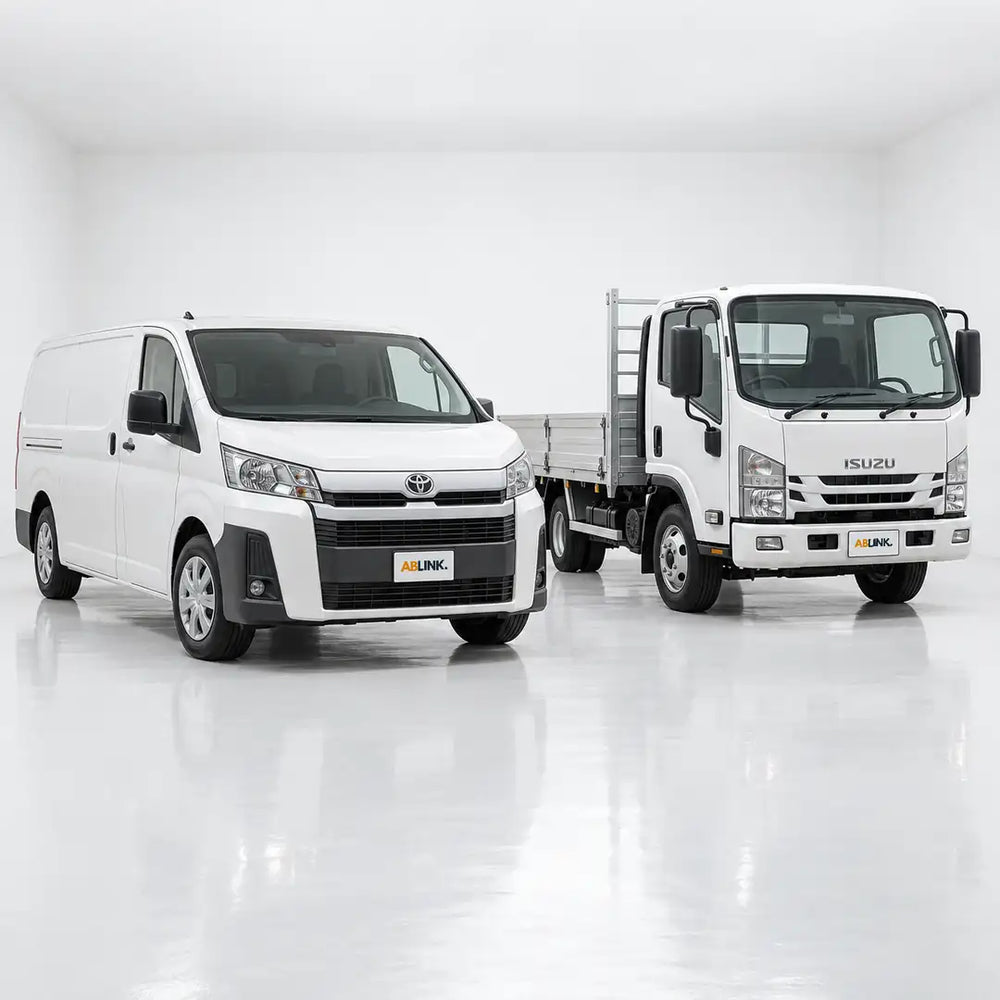
Most Singapore commercial fleets still operate diesel models including the Toyota Dyna, Toyota Hiace, Hino Dutro, Isuzu NPR, and Mitsubishi Fuso FEB series. These vehicles face the CVES Band C surcharge of S$20,000 at registration and approach end-of-COE replacement decisions over the 2026–2028 grant window. Operators planning a fleet refresh during this period must compare two parallel pathways: replace with another diesel under CVES Band C or transition to electric under CVES Band A or HVZES depending on vehicle weight class.
Mapping Diesel Models to the Right Replacement Pathway
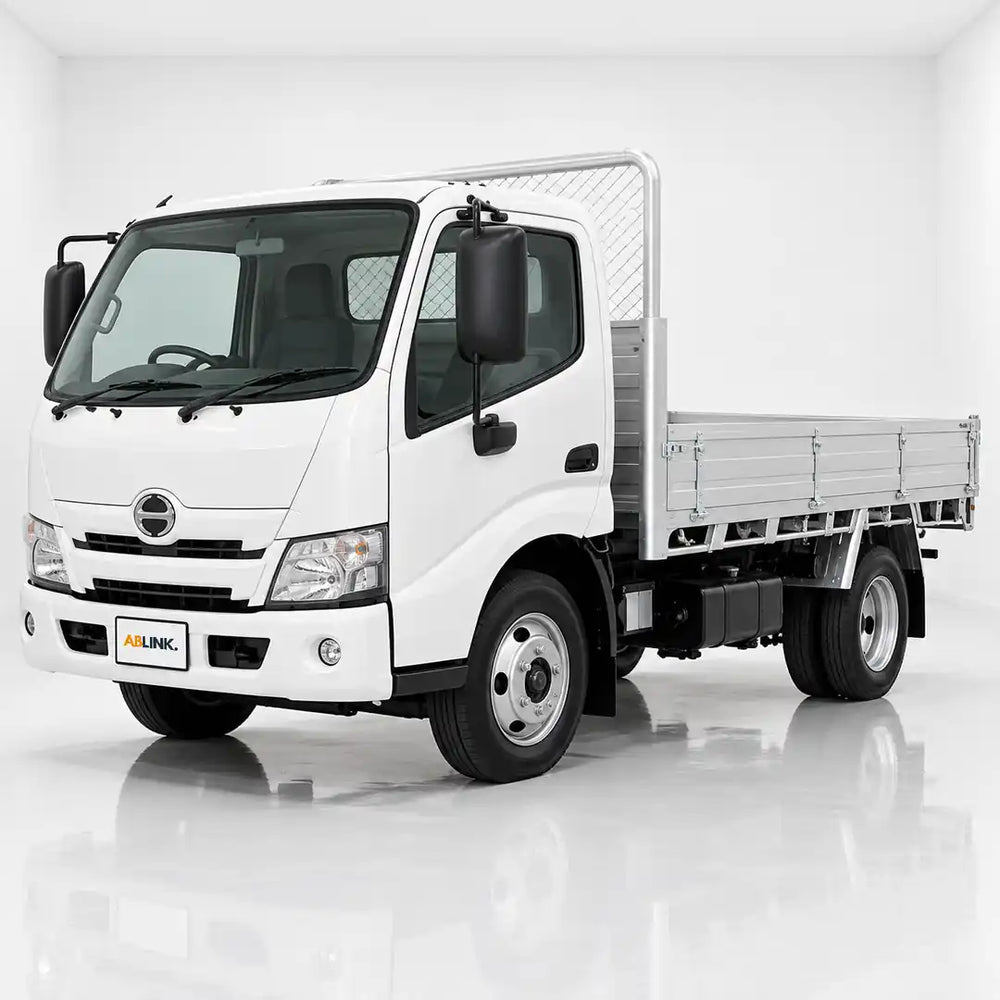
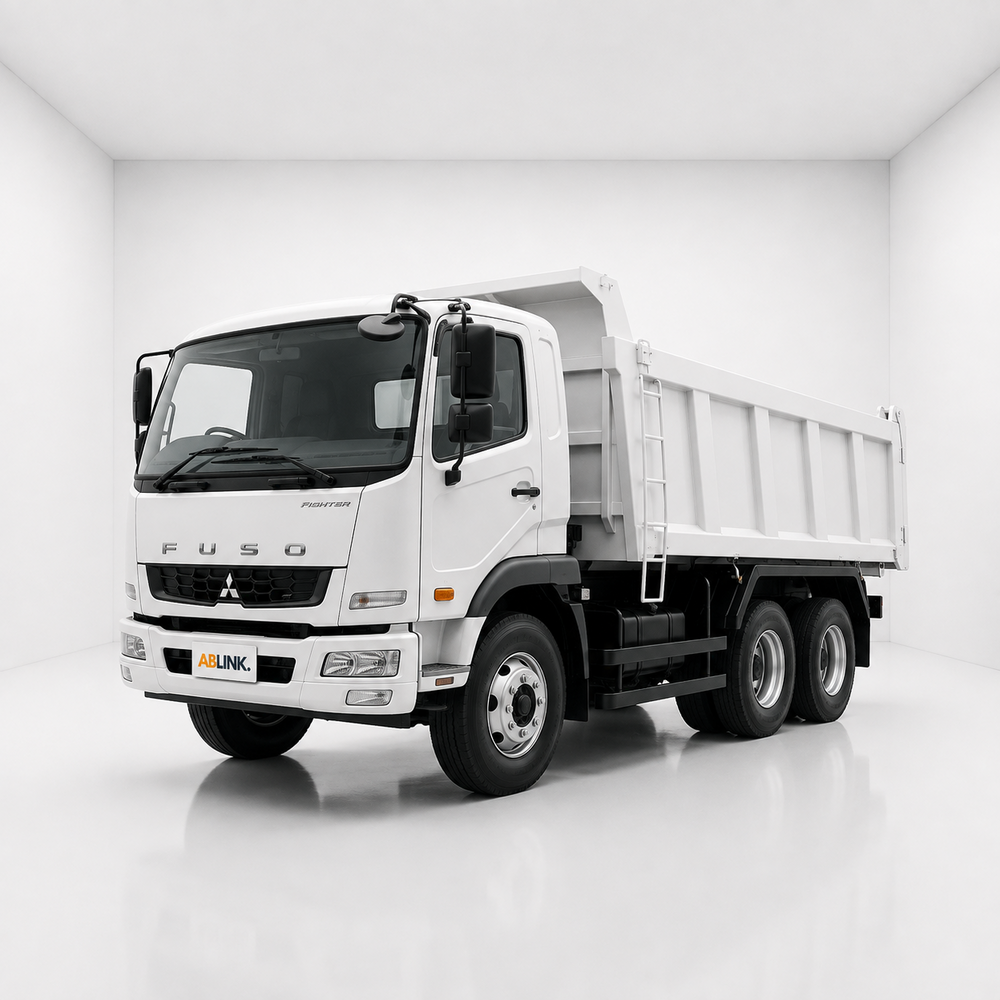
Toyota Dyna 10ft and Hino Dutro models typically register at MLW between 3,500kg and 5,000kg, placing them within HGV territory under LTA classification. Larger Hino XZU710, Isuzu NPR75 and NPR85, and Mitsubishi Fuso FEB21 14ft–17ft units sit firmly in HGV classification. Toyota Hiace big vans typically register below 3,500kg, qualifying them as LCVs. The trade-off: replacing a current Dyna with another diesel Dyna locks in the S$20,000 CVES Band C surcharge plus rising COE costs, while electrification within HGV class unlocks HVZES (S$15k at 3,501–7,000 kg MLW, S$40k above 7,000 kg, for registrations from September 2026) if a qualifying electric HGV becomes available.
COE Expiry Planning Across the 2026–2028 Window
Vehicles approaching COE expiry within the grant window need procurement decisions now. A Toyota Dyna registered in 2017 reaches 10-year COE expiry in 2027 — within the HVZES timeline. Operators must decide between five-year COE renewal at prevailing PQP rates, replacement with another diesel under Band C, or transition to electric. Listings on ABLINK's commercial vehicle marketplace show current COE balance and registration date for each unit, helping fleet managers benchmark replacement timing against grant deadlines. Heavy goods units like #dyna, #dutro, #xzu710, #npr75, and #feb21 appear regularly across the live inventory for direct comparison.
When Renewal Beats Replacement
COE renewal at five-year tranches sometimes outperforms replacement when payback periods are short and route mileage is moderate. According to LTA's COE quota framework, renewing a 10-year COE for an additional five years requires PQP payment but avoids new registration costs and CVES surcharges. Operators with low-mileage routes — typically under 30,000km annually — benefit more from renewal economics. The trade-off: renewed diesel vehicles still emit and incur higher diesel duty over time, while electric replacement front-loads capital cost but eliminates fuel volatility.
What Vehicles Currently Qualify in Singapore
Heavy electric goods vehicles available in Singapore as of May 2026 remain limited compared to the LCV segment. The market includes selected European HGV electric models, electric buses, and goods-cum-passenger configurations approved under LTA's EV transition framework. Operators must verify each candidate vehicle's Maximum Laden Weight against the 3,500kg threshold before assuming HVZES eligibility — manufacturer brochures sometimes quote Gross Vehicle Weight, which differs from MLW used in LTA registration.
LCV vs HGV: ABLINK's EV Inventory Position
ABLINK's current electric commercial vehicles — represented by models such as the Toyota Proace electric van on ABLINK's marketplace — fall within the LCV category. These vehicles qualify for CVES Band A S$15,000 rebate plus EEAI S$7,500 ARF rebate under current LTA frameworks, not HVZES. Operators looking specifically for HGV electrification should consult ABLINK fleet specialists for special-order options or stay informed on inventory updates as the heavy electric vehicle market matures in Singapore. Eligibility for any specific vehicle remains subject to LTA approval at registration.
Browse current ABLINK options on the marketplace:
Electric Van Inventory → — current EV van listings such as the Toyota Proace electric
Heavy Diesel Inventory → — for fleet operators planning future EV transition
Full Commercial Vehicle Marketplace → — diesel and electric, all weight classes
Future-Ready Procurement Strategy
The 2026–2028 grant window creates urgency for fleet decisions. Operators planning HGV refresh cycles within three years should consult specialist dealers before the EHVCG 500-charger cap closes. Fleet managers operating mixed LCV/HGV operations should map vehicle replacement schedules against the 31 March 2027 CVES Band A deadline and 31 December 2028 HVZES end date. The trade-off: waiting for newer HGV EV models means missing earlier disbursement tranches and risking grant exhaustion.
Common Misconceptions About These Grants
"I can claim HVZES for my electric van"
False unless the van's Maximum Laden Weight exceeds 3,500kg. Most electric vans sold in Singapore — including the electric van models currently listed on ABLINK's marketplace — fall below this threshold. These vehicles qualify for CVES Band A (S$15,000) plus EEAI (up to S$7,500), totalling up to S$22,500 in rebates. The grant pathways are different but not inferior for the LCV segment.
"EHVCG is automatic like HVZES"
False. EHVCG requires a separate application with detailed site documentation, charger specifications, landlord approval letter, and Licensed Electrical Worker engagement. The first 500 chargers approved by LTA receive co-funding. Late applicants in 2027 or 2028 face exhaustion risk.
"Both grants stack with CVES rebate"
Partially true. HGV operators can claim HVZES (S$15k at 3,501–7,000 kg MLW or S$40k above 7,000 kg, for registrations from September 2026) but CVES Band A does not apply to HGVs because CVES targets the LCV segment. Mixed-fleet operators run both grant tracks in parallel: HVZES for HGVs, CVES Band A for LCVs.
"I can buy an HGV after the deadline and still claim"
False. Vehicle must be registered within the 1 January 2026 to 31 December 2028 window. Pre-orders and deposits do not count — registration date is what triggers eligibility. Operators with long lead-time HGV imports should factor delivery timing into procurement decisions.
Frequently Asked Questions
Does HVZES apply to electric vans under 3,500kg MLW?
No. HVZES applies only to zero-tailpipe emission heavy goods vehicles, buses, and goods-cum-passenger vehicles with Maximum Laden Weight exceeding 3,500kg. Light commercial vans below this threshold qualify instead for the Commercial Vehicle Emissions Scheme (CVES) Band A rebate of S$15,000, plus EEAI ARF rebate up to S$7,500 until 31 December 2026.
How is the HVZES incentive disbursed?
For vehicles registered with a COE from September 2026, a 3,501–7,000 kg MLW vehicle receives S$15k in three S$5k tranches; above 7,000 kg the incentive is S$40k (LTA). Disbursement is automatic to the registered vehicle owner. Transfer of ownership before all tranches complete forfeits the remaining amount.
Can I install three chargers and claim S$90,000 EHVCG?
Yes, provided each charger is tied to a separate registered eHV and all three are installed at the same site. Beyond three chargers per site, additional chargers do not qualify even if more eHVs are registered. Splitting across multiple sites allows higher total claims.
What if my electric van is just under 3,500kg MLW?
It qualifies as a Light Commercial Vehicle, not HGV. Apply CVES Band A (S$15,000) and EEAI ARF rebate (up to S$7,500) instead. The combined S$22,500 incentive is automatic at registration with no separate application required. EEAI ceases for new registrations on 1 January 2027.
Do HVZES and EHVCG apply to imported used heavy EVs?
HVZES applies only to new registrations. Used or parallel-imported electric heavy vehicles registered for the first time in Singapore between 1 January 2026 and 31 December 2028 may qualify if they meet the MLW threshold and zero-tailpipe-emission criteria. Owners must verify with LTA OneMotoring before purchase.
Is the EHVCG application process open now?
EHVCG commenced 1 January 2026 with a cap of 500 chargers across the entire 2026–2028 window. Detailed application procedures are published on the LTA Charger Grants page. Operators should submit early to avoid exhaustion as approved charger count approaches the cap.
Can I claim both HVZES and CVES on the same vehicle?
No. CVES targets light commercial vehicles below 3,500kg MLW. HVZES targets heavy vehicles above 3,500kg MLW. The schemes are mutually exclusive by vehicle classification — a single vehicle cannot qualify for both.
Should I renew my Toyota Dyna COE or replace it under HVZES?
The decision depends on annual mileage, route profile, and current vehicle condition. HVZES requires the replacement vehicle to be a zero-tailpipe emission HGV with MLW above 3,500kg, which limits current model availability. Operators should compare projected five-year operating costs of renewal against electric replacement, factoring in HVZES disbursement, EHVCG charger co-funding, fuel savings, and capital allowance treatment. Browse current Toyota Dyna inventory for benchmarking at ABLINK's marketplace.
Next Steps for Singapore Fleet Operators
Before assuming HVZES eligibility, check your vehicle's Maximum Laden Weight on the vehicle log card or OneMotoring records. If MLW falls below 3,500kg — which applies to nearly every electric van currently sold in Singapore including the electric van models on ABLINK's marketplace — the correct grant pathway is CVES Band A S$15,000 plus EEAI ARF rebate up to S$7,500, not HVZES. Operators planning HGV electrification within the 2026–2028 window should secure both vehicle order and charger infrastructure planning in parallel before EHVCG's 500-charger cap closes.
Browse ABLINK's commercial vehicle marketplace by model and weight class:
→ Full Commercial Vehicle Marketplace — daily-updated inventory across diesel and electric, all weight classes
→ Electric Van Listings — Toyota Proace electric and other CVES Band A eligible LCVs
→ Toyota Dyna Inventory — popular 10ft lorry choice for fleet operators
→ Toyota Hiace Inventory — big van segment, currently diesel-only
→ Hino Dutro & XZU710 — heavier diesel options approaching HGV class
→ Mitsubishi Fuso FEB21 — 14ft–17ft heavy vehicle range
→ Isuzu NPR Series — heavy commercial vehicle inventory
For HGV-specific procurement consultation, contact ABLINK's commercial vehicle team directly — special-order availability changes monthly as Singapore's heavy electric vehicle market matures.
About the Author
ABLINK EV Fleet Specialists is the editorial team behind ABLINK's commercial vehicle insights, combining operational expertise from Singapore's logistics, F&B delivery, and contractor sectors with on-the-ground knowledge of LTA grants, COE Category C dynamics, and CVES eligibility frameworks. The team works directly with fleet managers, SME owners, and procurement specialists across Singapore to translate regulatory updates into actionable purchasing decisions.
Internal References:
Electric Van Singapore 2026 Buyer's Guide | EV Van TCO Singapore 2026: 5-Year Cost vs Diesel | 10ft vs 14ft Lorry Singapore 2026 Compliance Guide | Commercial Vehicle Tax Savings SG 2026
Government Sources Verified (4 May 2026):
Disclaimer: Grant amounts, eligibility criteria, and validity dates referenced in this article reflect LTA published guidance as of 4 May 2026 (LTA Strengthening Singapore's EV Ecosystem, LTA Charger Grants). This article does not quote ABLINK vehicle prices because marketplace listings update daily with COE bidding outcomes — visit ABLINK's commercial vehicle marketplace for current pricing at point of enquiry. Vehicle model availability on the marketplace fluctuates daily as inventory turns over; specific units or model variants referenced may no longer be available at the time of reading. Grant disbursement is not guaranteed and depends on individual vehicle specifications, registration timing, applicant business eligibility, and LTA approval at point of registration or charger grant application. The 500-charger EHVCG cap may exhaust before 31 December 2028. This article provides general information for fleet planning purposes and does not constitute financial, tax, accounting, or legal advice. Operators should verify current eligibility directly with LTA, consult qualified tax advisors regarding capital allowances under IRAS commercial vehicle frameworks, and obtain legal advice for material procurement decisions. ABLINK does not guarantee grant approval for any specific vehicle and accepts no liability for grant disbursement decisions made by LTA.
Qualifying Is Step One — Picking the Vehicle Is Step Two
Grant eligibility is worth establishing early, because it changes which vehicles are worth shortlisting at all. But the grant is a discount on a decision, not the decision itself. A vehicle that does not suit the work is still the wrong vehicle after support is applied.
The sequence that works: confirm eligibility using the criteria above, then shortlist on range, payload and charging practicality, and only then compare the net position. Businesses that reverse those steps tend to end up with a vehicle chosen by subsidy rather than by workload, and they notice within the first year.
Charging access is the factor most often underestimated. Where the vehicle sits overnight, and whether that location can support charging on your schedule, determines more about whether an electric van works for you than any specification on the brochure.
Browse eligible vehicle types
- Electric commercial vehicle range — the vehicles this support is aimed at
- Best electric vans in Singapore — how the models compare in practice
- Electric van buyer's guide — range, payload and running costs
For what is currently available and the latest pricing, see the new commercial vehicle listings. Grant quantums and eligibility criteria are set by the relevant government agencies and change from time to time, so confirm the current position against the official source before budgeting on it.